Can you actually take kids to Europe without spending $400 a day? Yes. But only if you pick cities where the local economy works in your favor. I spent three weeks comparing hotel policies, restaurant menus, transit passes, and attraction fees across a dozen European cities. Five stood out. Here they are, with real numbers.
Lisbon: Free Hotel Beds and $1.50 Pastries
Lisbon remains the best entry point for budget family travel in Western Europe. The reason isn’t just low prices. It’s the structural way the city treats children. Most mid-range hotels let kids under 12 sleep free in existing beds. Many apartment rentals include a crib or rollaway bed at no charge. That alone saves $40–80 per night compared to Paris or Barcelona.
Food costs stay low if you eat where locals eat. A pastel de nata at Manteigaria costs €1.40. A full lunch at a neighborhood tasca runs €8–10 per adult. Kids’ portions aren’t always on the menu, but most places will split an adult dish for free. The Time Out Market is touristy but works well for picky eaters because everyone orders from different stalls.
Where to Stay Without Overpaying
The Alfama and Graça neighborhoods have family-run guesthouses at €70–90 per night. Avoid Baixa and Chiado — you’ll pay 40% more for the same room size. Look for places with “quarto familiar” (family room) in the listing. The Hotel Convento do Salvador in Graça often has family rooms under €100.
Free and Cheap Things Kids Actually Like
- The Santa Justa Lift viewing platform is free if you walk up from the back side instead of paying the elevator fee.
- The Oceanário de Lisboa charges €25 for adults but kids under 3 enter free. Go on a weekday morning.
- Tram 28 is a ride, not an attraction. Pay the €3 regular fare instead of a hop-on-hop-off tour.
- Miradouros (viewpoints) are free and everywhere. Bring a ball for the squares at Miradouro da Senhora do Monte.
Transit is cheap. A single bus or tram ride costs €2. A 24-hour public transit pass is €6.80. Kids under 4 ride free. The Lisboa Card only makes sense if you plan to visit 3+ paid attractions in one day. Otherwise, skip it.
Krakow: The Cheapest Full-Service Family City in Europe
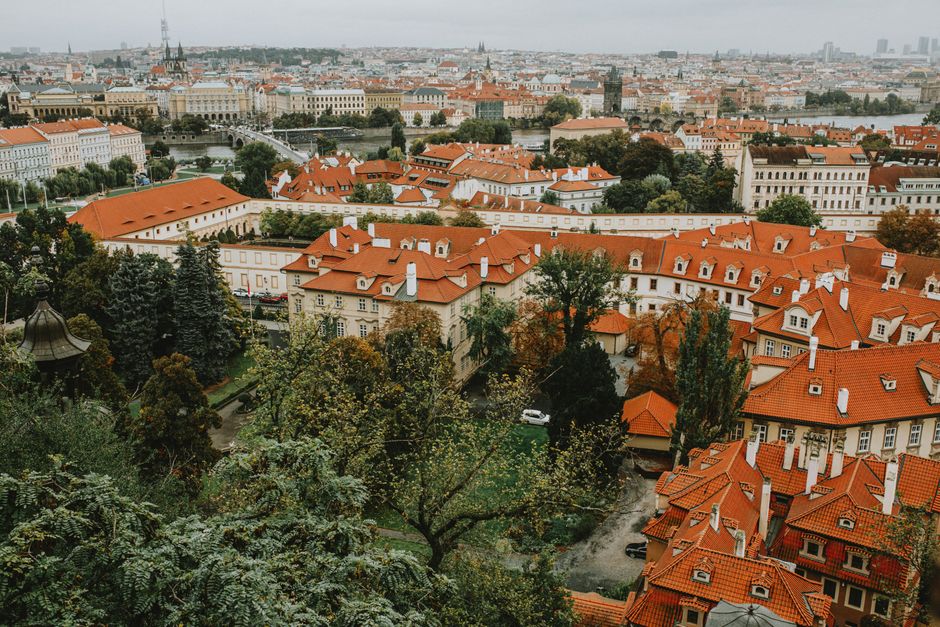
Krakow is the answer when someone asks where to take kids in Europe on a tight budget. A full restaurant meal for a family of four costs €25–35. That’s not per person. That’s the whole table. Milk bars (bar mleczny) like Bar Grodzki serve pierogi, soups, and cutlets at prices that haven’t caught up to Western Europe.
Hotels are similarly underpriced. The Hotel Stary is a splurge at €120. Budget options like PURO Kraków Stare Miasto run €70–90 with family rooms that sleep four. Apartments near Kazimierz go for €50–70 per night on booking sites.
What You’ll Actually Spend Daily
| Expense | Cost (Family of 4) | Notes |
|---|---|---|
| Breakfast at bakery | €8–10 | Pączki, bread, cheese, fruit |
| Lunch at milk bar | €12–16 | Pierogi, soup, drinks |
| Dinner at casual restaurant | €20–28 | Pizza or Polish mains |
| Public transit day pass | €4.60 | Kids under 4 free |
| Wawel Castle grounds | Free | Courtyard and gardens |
| St. Mary’s Basilica | €3 per adult | Kids free |
The Krakow Card includes transit and many museums. It costs €25 for 2 days. Worth it if you visit Wawel’s state rooms, the underground museum, and two other paid sites. Not worth it if you mostly wander the Old Town and Kazimierz.
One warning: Krakow gets crowded with stag parties on weekends. Book a hotel in Kazimierz or Podgórze, not directly on the Main Square. The noise difference is huge.
Valencia: Beach, Park, and Paella Without Barcelona Prices
Valencia gives you the Mediterranean family experience at 60% of Barcelona’s cost. The city is flat, walkable, and built around a massive park that used to be a river. The Turia Gardens run through the entire city. Kids can bike, scooter, or run for kilometers without crossing a single road.
The City of Arts and Sciences looks expensive but doesn’t have to be. The buildings are free to walk around outside. The Oceanogràfic (Europe’s largest aquarium) costs €38.50 for adults, but kids under 4 enter free. Buy tickets online two days ahead for a 10% discount. The Prince Felipe Science Museum is €9 for adults and free for kids under 4. It’s better for ages 5–12 than the aquarium.
Where Families Should Eat
Skip the beachfront restaurants in Las Arenas. Walk three blocks inland to El Cabanyal. This old fishermen’s district has family-run places serving menu del día for €12–15 per adult. Kids eat half portions for half price at most places. Try Casa Montaña for tapas or La Pascuala for massive sandwiches that feed two kids for €6.
Valencia’s public transit is cheap and easy. A single ride costs €1.50. A 10-ride card (Bonobús) costs €8.50. Kids under 10 ride free on weekends. The Valencia Tourist Card includes transit and free entry to municipal museums. At €15 for 24 hours, it only breaks even if you use transit heavily and visit 2+ museums.
Porto: The Budget Alternative That Beats Lisbon for Young Kids
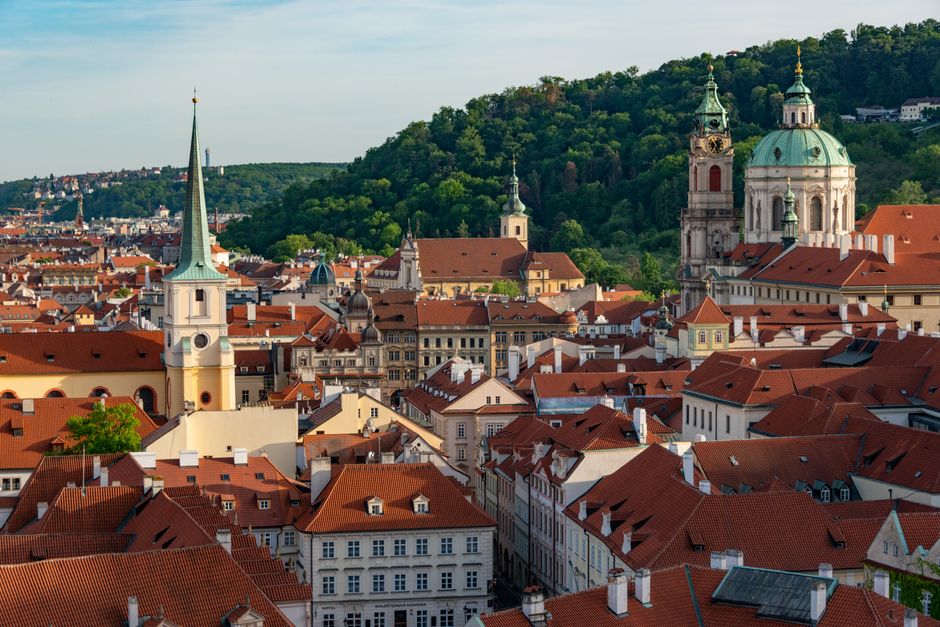
Porto is smaller, hillier, and cheaper than Lisbon. For families with kids under 8, that’s often better. Shorter distances mean fewer transit rides. Steeper hills mean you’ll use the funiculars and cable car, which kids love anyway.
Hotels in Porto run €60–85 for family rooms. The Moov Hotel Porto Centro has quadruple rooms under €90. The Hotel da Bolsa in the Ribeira district offers family rooms with river views for €100–120. Apartments in Cedofeita or Bonfim cost €55–75 per night.
Food is the real win. A francesinha (Porto’s famous sandwich) costs €8–10 and feeds one adult or two small kids. Pastelarias sell full breakfasts for €4–5 per person. The Mercado do Bolhão reopened and has fresh fruit, bread, and cheese for picnic lunches at half restaurant prices.
Skip the port wine cellar tours with kids. They’re boring for anyone under 16. Instead, take the Teleférico de Gaia cable car (€7 adult, €3.50 child) for views over the Douro. Walk across the Dom Luís I Bridge for free. The World of Discoveries museum is touristy but genuinely fun for ages 4–10. Tickets cost €15 for adults, €9 for kids.
Metro from the airport costs €2.60 per adult. Kids under 4 ride free. A 24-hour Andante pass costs €7. Porto’s transit is cheap enough that you don’t need a tourist card unless you’re doing 4+ rides daily.
Budapest: Thermal Baths and Ruin Bars (Yes, With Kids)
Budapest works for families because the city’s main attractions are either free or cheap. The Fisherman’s Bastion is free to walk around. The views over the Danube cost nothing. Heroes’ Square, City Park, and Margaret Island are all free. You can spend an entire day without paying for a single attraction.
Thermal baths are the exception. The Széchenyi Baths cost €25 for adults on weekends. Kids under 3 enter free, but honestly, Széchenyi is crowded and chaotic with small children. The Palatinus Strand Baths on Margaret Island are better for families. Outdoor pools, slides, and shallow areas. Entry costs €12 for adults, €8 for kids. Go on a weekday morning.
Budapest Card: Skip It
The Budapest Card costs €30 for 24 hours. It includes transit and some museum entries. But Budapest’s transit is already cheap — a single ticket costs €1.10, a 24-hour pass costs €6.50. Most museums are €5–8. You’d need to visit five museums in one day to break even. That’s not realistic with kids. Buy a transit pass and pay as you go.
Food in Budapest is cheaper than Western Europe but pricier than Krakow. A family meal at a casual restaurant costs €35–45. Street food like lángos (fried dough with cheese) costs €4–5 and makes a great cheap lunch. The Great Market Hall has produce and prepared food for picnic supplies. Avoid restaurants on Váci Street — tourist trap pricing.
Hotels in Budapest run €65–100 for family rooms. The Ibis Budapest City has family rooms under €80. The Hotel Nemzeti near the Great Market Hall offers quadruple rooms for €90–110. Apartments in District VII (Jewish Quarter) cost €50–70 but check noise levels — ruin bars are loud until 2am.
How to Keep Costs Down in Any of These Cities
I’ve seen families blow their budget in Lisbon or Krakow just as easily as in London. The city matters less than your daily decisions. Here’s what actually moves the needle.
Book flights on budget carriers but check the bag fees. Ryanair, Wizz Air, and easyJet fly to all five cities. A €30 fare becomes €80 once you add a checked bag and seat selection. Pack one carry-on per adult and one small backpack per kid. That saves €100–150 per trip.
Stay in apartments with kitchens for trips longer than 3 nights. Cooking breakfast and one other meal daily saves €25–40 per day. Even a kitchenette with a mini-fridge and kettle helps. Look for places with a washing machine — it means packing half the clothes.
Use the free walking tour model. Most of these cities have free tours that work on tips. They’re hit-or-miss with kids under 8, but the guides know which playgrounds and gelato shops are worth your time. Tip €5–10 per adult if the tour was good.
Buy transit passes, not single tickets. In every city above, a 24-hour pass costs less than 4 single rides. Kids under 4 ride free everywhere. Kids under 10 ride free or discounted in most cities. Check the local transit website before you buy.
Avoid eating within 200 meters of a major attraction. Prices drop 30–50% once you walk five minutes away. In Lisbon, a coffee near Praça do Comércio costs €3.50. The same coffee three blocks inland costs €1.20. This pattern holds in all five cities.
The biggest budget killer isn’t the destination. It’s the decision fatigue that makes you say “we’ll just eat here” after a long day. Plan one meal ahead each day. Even a rough plan saves €20–30 daily.