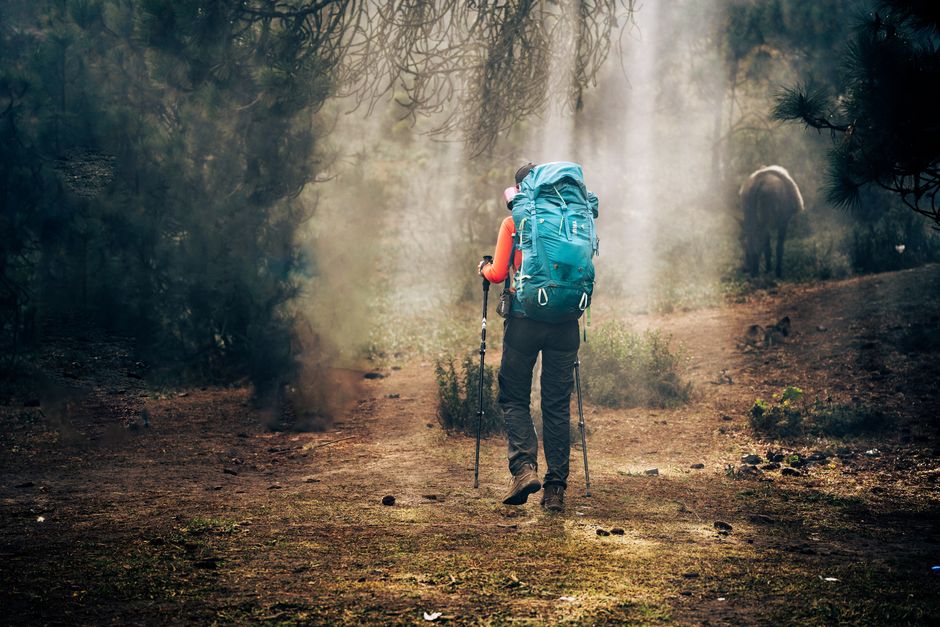
Most solo travelers in New Zealand don’t get hurt. They get wet, cold, broke, or stranded. The country looks safe—and mostly is—but the specific ways things go wrong catch people off guard. I’ve watched it happen from Queenstown hostels to Northland campgrounds. Here are the mistakes that actually cause problems, and what to do instead.
1. Treating the Weather Like a Minor Inconvenience
New Zealand weather doesn’t just change daily. It changes hourly, and sometimes it tries to kill you. The MetService app is not optional. It’s the difference between a great day on the Tongariro Alpine Crossing and a helicopter rescue.
The mistake isn’t checking the forecast—it’s checking it once in the morning and assuming it holds. On the South Island’s west coast, rainfall can hit 200mm in a day. Rivers rise fast. Tracks flood. A solo hiker has no one to help if a crossing becomes impassable.
What to Do Instead
- Check MetService and NIWA weather twice daily—morning and before any outdoor activity.
- Carry a waterproof layer even when the sky is clear. The Macpac Prophet jacket (around NZ$250) or Kathmandu Zeolite (NZ$180) are solid.
- Tell someone your route. DOC visitor centers accept trip intentions, and it’s free.
- If a track says “closed due to weather,” don’t argue. Turn around.
The Milford Track alone sees dozens of evacuations each year. Most of those people checked the forecast. They just didn’t respect it.
2. Underestimating Driving Times and Road Conditions
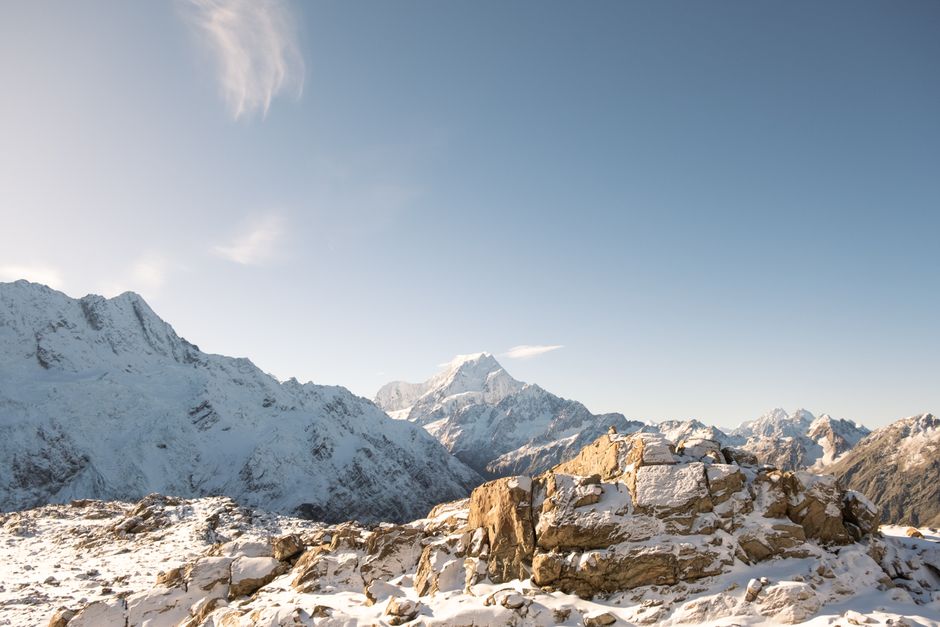
Google Maps says Queenstown to Milford Sound takes 3.5 hours. Realistically, it takes 5. You’ll stop for photos. You’ll get stuck behind a campervan. The Homer Tunnel will have a red light. And the last 30km of the Milford Road is one of the most avalanche-prone stretches of highway in the world.
New Zealand roads are narrow, winding, and often unsealed. Solo drivers have no one to share the mental load. Fatigue is a real killer—literally. Rental car crashes involving tourists spike on the Coromandel Peninsula and around the Mackenzie Basin.
Driving Rules That Matter
- Add 25–30% to every Google Maps estimate.
- Never drive more than 4 hours without a proper stop.
- If you’re not confident on gravel, don’t take unsealed shortcuts. The road to Cape Palliser or Wharariki Beach is not worth a rolled rental.
- Book a Jucy Rentals or GO Rentals car with full insurance. The excess on a basic policy can hit NZ$5,000.
Bus networks like InterCity and hop-on-hop-off passes from Stray Travel solve the fatigue problem entirely. If you’re traveling solo for more than 3 weeks, a bus pass often costs less than fuel plus insurance.
3. Booking DOC Huts and Campsites Too Late
Nothing wrecks a Great Walk faster than showing up at a hut with no booking. The Department of Conservation (DOC) runs a strict booking system. Great Walk huts like those on the Routeburn or Kepler Track sell out months in advance for summer (December–February).
Standard backcountry huts work differently—first come, first served. But even those fill up on popular weekends. I’ve seen solo hikers turned away from the Mueller Hut in Aoraki/Mount Cook National Park because they assumed there’d be space.
Booking Reality Check
- Great Walk season (late October to late April): book the day bookings open, usually in June.
- Summer campsites at Momorangi Bay or Totaranui in Abel Tasman require bookings through DOC’s website.
- If a Great Walk is full, consider a non-Great Walk alternative. The Gillespie Pass Circuit near Wanaka is harder, cheaper, and usually has hut space.
- Carry a tent as backup for standard backcountry routes. The MSR Hubba Hubba NX (NZ$700) is overkill for most, but a basic Kathmandu Retreat (NZ$150) works fine.
For solo hikers, a PLB (personal locator beacon) is non-negotiable on remote tracks. Rent one from DOC visitor centers for about NZ$30 per trip. The ACR ResQLink 400 is the standard purchase option if you’re hiking regularly.
4. Ignoring Sandflies Until It’s Too Late
Sandflies are the one thing every solo traveler underestimates. On the West Coast, Fiordland, and around lakes, they swarm in clouds. Bites itch for weeks. Scratching leads to infections. It sounds minor. It’s not.
The solution isn’t citronella or tea tree oil. It’s DEET or picaridin. Goodbye Sandfly (a New Zealand brand) works, but only the 40% DEET version. The natural one is useless. OFF! Active with 15% DEET is the minimum.
Cover skin at dawn and dusk. Wear light-colored clothing—sandflies are attracted to dark colors. And keep your campervan or tent door closed. One open minute at Milford Sound means 50 bites.
5. Assuming Solo Means Lonely
This is the mistake that makes people cancel trips, not ruin them. Solo travel in New Zealand is not lonely unless you make it that way. The backpacker network is dense, social, and easy to tap into.
Hostels like YHA Queenstown Lakefront and Haka Lodge run group dinners, pub nights, and shared kitchens where conversations start over cheap pasta. The Stray and Kiwi Experience bus networks are basically moving social groups. You’ll know 20 people by day three.
If hostels aren’t your thing, book small group day trips. A Milford Sound cruise with RealNZ or a guided Tongariro Crossing with Adrift Tongariro gives you company without commitment. Solo doesn’t mean isolated.
6. Carrying Too Much Stuff
Every solo traveler overpacks. It’s almost universal. You don’t need three jackets, two pairs of boots, and a full pharmacy. New Zealand has excellent outdoor stores in every major town. If you forget something, Macpac, Kathmandu, or Torpedo7 will sell you a replacement.
Heavy luggage makes every bus transfer, hostel stairwell, and campervan morning more annoying. For a 3-week trip, one 40–50L pack is enough. The Osprey Farpoint 40 (NZ$280) is the standard choice for a reason—it opens like a suitcase but carries like a backpack.
What to Leave Behind
- Camping stove and fuel—most hostels have kitchens, and DOC huts have gas cookers.
- Sleeping bag for summer travel—huts and hostels provide bedding or you can rent.
- Heavy guidebooks—use the DOC and CamperMate apps instead.
- Anything you can buy for under NZ$20 locally.
7. Skipping Travel Insurance Because New Zealand Is “Safe”
New Zealand’s accident system (ACC) covers medical treatment for visitors. That’s true. What ACC doesn’t cover is evacuation, trip interruption, lost baggage, or your family flying over if you’re hospitalized. A helicopter rescue from a remote track can cost NZ$50,000. ACC doesn’t pay that.
Solo travelers need insurance more than couples or groups. No one’s there to advocate for you, pay upfront costs, or rearrange flights.
What to Look For
- Medical evacuation coverage of at least NZ$500,000.
- Adventure activity coverage—skiing, bungy jumping, and multi-day hiking are often excluded from basic policies.
- Rental car excess coverage if you’re driving.
- Providers like World Nomads, SafetyWing, and Southern Cross Travel Insurance are the common picks for New Zealand trips.
If you’re doing the Tongariro Alpine Crossing in winter, a single-day guided trip with Adrift Tongariro (NZ$195) includes gear and an experienced guide. That’s cheaper than an insurance claim for frostbite.
8. Relying on Phone Signal in Remote Areas
New Zealand has massive dead zones. The entire Milford Road, most of Fiordland, the Catlins, and large chunks of the West Coast have zero reception. Your Google Maps won’t load. Your emergency call won’t connect.
Download offline maps before you leave town. Maps.me and Google Maps offline both work. But maps don’t help if you’re injured. A PLB is the only reliable emergency tool in the backcountry. Rent one or buy one—just don’t hike without one.
If you’re driving, carry a physical map. The New Zealand Road Atlas (NZ$30 from any bookshop) still works when your phone dies. And tell someone your route before heading into a dead zone. A simple text to a friend with your expected return time is free insurance.
Quick Reference: Mistake vs. Fix
| Mistake | What It Costs You | The Fix |
|---|---|---|
| Ignoring weather warnings | Rescue, injury, ruined hike | MetService app, waterproof layer, turn back when told |
| Underestimating drive times | Fatigue, crashes, missed bookings | Add 30% to estimates, bus pass for long trips |
| Booking DOC huts late | No bed, missed Great Walk | Book in June for summer, carry tent backup |
| Ignoring sandflies | Weeks of itching, infection | 40% DEET, cover skin at dawn/dusk |
| Assuming loneliness | Canceled trip, isolation | Hostels, bus networks, day tours |
| Overpacking | Back pain, slow transfers | 40L pack, buy locally if needed |
| Skipping insurance | NZ$50k evacuation bill | World Nomads or SafetyWing with evacuation cover |
| Relying on phone signal | Stranded, no rescue | Offline maps, PLB, physical map |
Solo travel in New Zealand is not dangerous in the way people fear. It’s dangerous in the way people don’t prepare for. Fix these eight things and the trip becomes what it should be—one of the best solo destinations on earth.