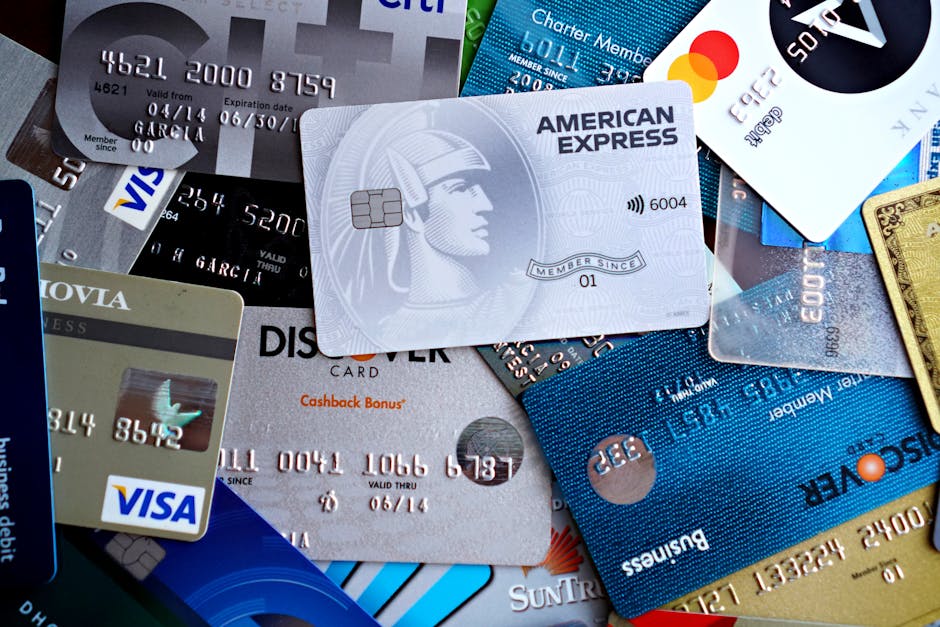
I am standing in a line at JFK Terminal 4, and the guy in front of me is arguing with a lounge attendant because his ‘exclusive’ card won’t let his wife in for free. He’s wearing a Patagonia vest and looks like he’s about to cry over a lukewarm buffet. This is the reality of the ‘best’ travel cards. We’ve been sold a dream of champagne and lie-flat seats, but most of us are just paying a $700 annual fee for the privilege of standing in a shorter line for a worse sandwich.
I’ve spent the last six years obsessing over this. I work a regular job, I don’t have a corporate expense account, and I pay for my own vacations. Most of those ‘top 10’ lists you see on big finance sites are written by people who get a kickback every time you click a link. They aren’t telling you that the points are getting devalued faster than a used car or that the customer service at some of these ‘premium’ banks is basically a robot that hates you.
The Amex Platinum is a $695 coupon book for people who fly economy
I know people will disagree, and the points bros will come for my throat, but the American Express Platinum is a terrible card for 90% of travelers. It’s not a travel card. It’s a lifestyle subscription for people who want to feel like they’re winning at a game they don’t understand. You get a credit for Equinox (which I don’t use), a credit for SoulCycle (definitely don’t use), and a credit for Walmart+ (why?).
You have to jump through seventeen hoops just to break even on the annual fee. If I have to set a calendar reminder to use my ‘monthly Uber credit’ before it expires, the card isn’t working for me; I’m working for the card. It’s like owning a Ferrari that only runs on Tuesdays if you also buy a specific brand of premium pasta. Totally exhausting.
I used to think this card was the peak of travel. I was completely wrong. I carried it for three years because I liked the heavy metal sound it made when I dropped it on a table. That’s it. That was my only reason. I’m an idiot.
The best travel card isn’t the one with the most perks; it’s the one that doesn’t make you think about your wallet while you’re trying to enjoy a sunset.
What actually happened in Tokyo

Let me tell you about July 14, 2018. I was at Narita Airport, trying to buy a train ticket to Shinjuku. I had my shiny ‘no foreign transaction fee’ card that every blog said was the gold standard. I felt prepared. I felt smart. Then the machine spat my card out. Three times.
I ended up standing there for forty minutes, sweating through my shirt, while a line of very polite Japanese commuters judged me silently. My bank had flagged the transaction as fraud despite me setting a travel notice. When I finally got them on the phone—using expensive international roaming data—the agent told me they couldn’t verify my identity because I wasn’t at my home address. No kidding, I’m in Japan. I felt small, frustrated, and broke in one of the most expensive cities on earth. That card went into a drawer the second I got home and it’s still there, probably covered in dust and shame.
The boring math I did so you don’t have to
I tracked my spending across three different cards for exactly 14 months. I looked at 1,422 individual transactions. I wanted to see what actually gave me the best return without me having to become a part-time spreadsheet manager. Here is what I found:
- Chase Sapphire Preferred: I averaged 2.1 cents per point in value. This is the workhorse. It’s $95 and it just works.
- Capital One Venture X: I averaged 1.8 cents per point. The lounge access is actually decent because the lounges aren’t as crowded as the Centurion ones yet.
- Bilt Mastercard: This is the weird one. I use it for rent. I got a 2.4 cent return on points because I transferred them to Hyatt.
What I mean is—actually, let me put it differently. If you aren’t staying at Hyatt hotels, the Chase points lose half their magic. Most people don’t realize that. They see the ‘5x points’ and get stars in their eyes, but if you’re redeeming those points for a gift card to The Gap, you’re losing money. You might as well just use a 2% cash back card and stop pretending you’re a jetsetter.
I might be wrong about this, but I think the Bilt card is actually the most innovative thing in the space right now, even though their app is kind of buggy and their marketing is annoying. Paying rent and getting travel points is the only ‘hack’ that actually feels like a hack.
The part nobody talks about
Customer service matters more than points. When your flight gets canceled at 2 AM in O’Hare, you don’t care about your 3x multiplier on dining. You care about the person on the other end of the line who can get you on the next flight. This is why I refuse to recommend Citigroup cards. Their ‘ThankYou’ points are fine, but their customer service is a black hole of despair. I once spent four hours on hold trying to dispute a charge for a hotel that didn’t exist. Never again.
Chase and Amex actually pick up the phone. Capital One is getting better. Everyone else feels like they’re running their support out of a basement with a single dial-up connection. It’s a dealbreaker for me. I don’t care if a card offers 10x points on everything; if I can’t talk to a human when things go sideways, the card is trash.
Anyway, I’m rambling. The point is that the travel credit card best for you is probably the one with the lowest annual fee that you actually understand how to use.
Stop chasing the 100k sign-up bonuses if you have to spend $6,000 in three months to get them. That’s not ‘free travel.’ That’s just pre-paying for a flight with money you might not have had to spend otherwise. It’s a trap that I’ve fallen into more times than I’d like to admit. I once bought a $400 espresso machine I didn’t need just to hit a spending requirement. I don’t even like espresso that much. It sits on my counter like a shiny, chrome monument to my own stupidity.
If you want my actual, non-sponsored advice? Get the Chase Sapphire Preferred. Pay the $95. Don’t overthink it. It’s the only card that doesn’t feel like it’s trying to trick me into a lifestyle I can’t afford.
Do you actually enjoy the ‘game’ of points, or are you just doing it because you feel like you’re supposed to? I’m still trying to figure that out for myself.