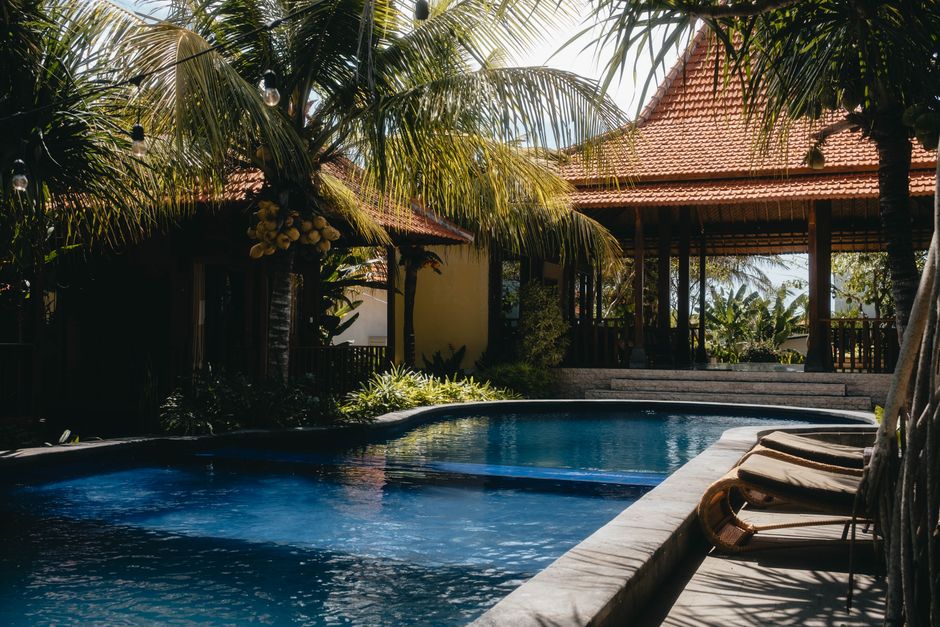
You know the moment: it is 1:20 p.m., the pool deck feels like a frying pan, and your family is too hot to enjoy the beach. Retreating to the room sounds sensible, but spending four hours watching television feels like wasting the holiday. The fix is not heroic heat tolerance. It is a better rhythm.
June resort heat pacing means using indoor spaces as part of the trip, not as an emergency exit. The best backup has a start time, a reason to leave the room, and enough comfort to feel different from an ordinary afternoon at home.
Why the best June resort plan has an indoor rhythm
My clear opinion: schedule the hottest hours indoors before the weather forces you there. Waiting until everyone is overheated creates bad choices. You may book the first available spa slot, drag tired children through a crowded lobby, or spend money on an activity nobody wants. A planned indoor block feels like variety. A forced retreat feels like a lost day.
The heat is part of the itinerary
Most June resort days work better in three movements: outdoor activity early, indoor recovery during the harshest hours, and a second outdoor window near sunset. The exact heat depends on the destination, but the pattern is reliable. Sun exposure, humidity, and warm surfaces build fatigue long before someone says they feel unwell.
Put the indoor block after lunch, not after the first complaint. Leave the beach or pool before towels, shoes, and patience become difficult to manage. A cool lobby, shaded restaurant, craft room, cinema, library, or hotel suite can reset the day in 60 to 150 minutes.
What makes an indoor backup feel like a holiday
A good backup changes the setting, gives people a small choice, and has a clear ending. A resort cooking class beats a worksheet in the room because it creates a memory. A quiet lounge with iced drinks works because nobody has to perform. A museum, aquarium, or historic house nearby works when the destination itself becomes the activity.
Avoid filling the calendar with indoor bookings. One substantial block is enough for most days. The point is to protect energy for dinner, a sunset walk, or a late swim. Cooling down is not surrendering the trip; it is how you keep the second half of the day enjoyable.
A heat-proof resort day, hour by hour
The following schedule suits a June beach or pool resort where the strongest heat arrives around midday. Shift it earlier for very humid locations or for travelers who burn easily. The useful rule is simple: place your longest outdoor exposure before lunch, then make the indoor block long enough to lower your body temperature and your stress level.
The practical timing grid
| Time | Best use | Why it works |
|---|---|---|
| 7:00–9:30 a.m. | Beach walk, swim, tennis, or excursion departure | Lower heat and fewer crowds |
| 9:30–11:30 a.m. | Breakfast, shade, or one short outdoor activity | Keeps the morning active without overdoing sun exposure |
| 11:30 a.m.–1:00 p.m. | Lunch in an air-conditioned dining room | Creates a natural transition away from direct sun |
| 1:00–3:30 p.m. | Indoor activity, nap, spa appointment, or quiet reading | Protects the hottest part of the day |
| 3:30–5:30 p.m. | Low-pressure pool time, shopping, or a short tour | Allows outdoor time after recovery |
| 5:30–8:00 p.m. | Shower, dinner, and sunset plans | Turns the evening into a second usable window |
The one adjustment that matters
Do not treat 3:30 p.m. as an automatic return to full activity. Start with an easy option. A short walk through the resort grounds is smarter than a two-hour hike immediately after a hot afternoon. Drink water before leaving the indoor space, wear dry clothing, and check how everyone feels after ten minutes outside.
This plan also gives you a firm answer when someone asks what happens after lunch. You do not need to invent entertainment while tired. The day already has a shape, and the shape leaves room for changing your mind.
How to choose indoor backups that do not feel like chores
The strongest indoor option is not always the most expensive one. It is the activity that solves the actual problem: heat, boredom, tired legs, family friction, or the need for quiet. Use this quick filter before paying for anything.
Five tests for a useful backup
- Can everyone reach it easily? A room across the resort is fine. A 45-minute taxi ride in peak heat is a separate excursion and needs separate energy.
- Does it last between 60 and 150 minutes? Tiny gaps are useful for showers and snacks. A proper indoor activity needs enough time to feel like a real change of scene.
- Can people participate at different energy levels? A cooking demonstration, gallery, lounge, or casual game works better than an activity that demands constant movement.
- Is the cancellation rule clear? June weather can change quickly. Avoid nonrefundable bookings for a backup slot unless the activity is central to the trip.
- Does it create a memory? A local food class, indoor market, aquarium, or live performance adds place-specific value. Generic screen time should be the fallback, not the headline.
What to skip
Skip any plan that requires a tight connection between lunch, transport, and a timed ticket. Heat makes small delays feel much bigger. Also skip activities with a strict dress code if everyone has just come from the pool. The best backup accepts real resort behavior: damp hair, sandals, children who need snacks, and adults who want ten quiet minutes.
For a 2026 trip, check the resort calendar before arrival, but do not build the whole holiday around a schedule that may change. Save two or three options in different categories: one social, one quiet, and one destination-focused. That is enough choice without turning rest into project management.
The indoor kit that earns its suitcase space

Most travelers do not need a suitcase full of entertainment. They need a small room kit that works during a delayed excursion, a stormy afternoon, or a quiet break between activities. The first principle is portability: every item should solve a specific problem without creating more charging, packing, or decision work.
Choose one screen and one quiet option
The Kindle Paperwhite has a 6.8-inch display and battery life rated for weeks, so it suits a traveler who wants reading without carrying several books. The Apple iPad 10th generation has a 10.9-inch display and USB-C charging, making it better for a family movie, downloaded maps, or a child’s drawing session. Pick one, not both, unless several people need separate entertainment.
For shared quiet time, the Bose QuietComfort Ultra Headphones offer active noise cancellation and up to 24 hours of battery life with immersive audio turned off. That makes them useful in a busy lobby or airport transfer. They are not a substitute for supervision, and noise cancellation is a poor choice near pools, roads, or open balconies.
Power and packing mistakes to avoid
The Anker 737 Power Bank stores 24,000 mAh and can deliver up to 140W, but its size and weight make it excessive for a short resort stay if everyone already carries a charger. A smaller power bank may be the better choice. Check airline rules before packing high-capacity batteries, and keep them in carry-on luggage.
Do not buy a new device simply because the forecast looks hot. Download books, shows, maps, and tickets before leaving home. Pack a small card game, a notebook, or a compact travel journal alongside the electronics. The point is choice, not constant stimulation. For a couple, the Kindle Paperwhite is the cleanest pick. For a family sharing one screen, the Apple iPad is more useful. For a traveler who needs quiet in public areas, the Bose headphones win.
These items are optional tools, not the indoor plan itself. A resort class, local performance, or proper rest still beats staring at a screen for an entire afternoon.
The clear verdict: schedule relief, not a retreat
For June resort travel, the best indoor backup is a planned two-hour change of pace after lunch. It should be easy to reach, comfortable for different energy levels, and distinct enough from the hotel room to feel like part of the destination.
Use the simple decision rule
Book one meaningful indoor activity for the trip, identify two low-cost resort options, and keep one room-based fallback ready. That gives you structure without making the holiday rigid. Leave the pool before the heat wins, and protect the evening for the plans people actually care about.
What resorts should do next
Resorts will increasingly compete on heat-aware programming: shaded transitions, timed cooling rooms, indoor cultural events, and menus built around long midday breaks. That is the direction the category should take. A resort that treats comfort as part of the experience will feel more thoughtful than one that simply adds another pool.
June heat is not going away, but the definition of a resort break is changing. The smartest trips will make indoor time feel intentional, local, and worth remembering.