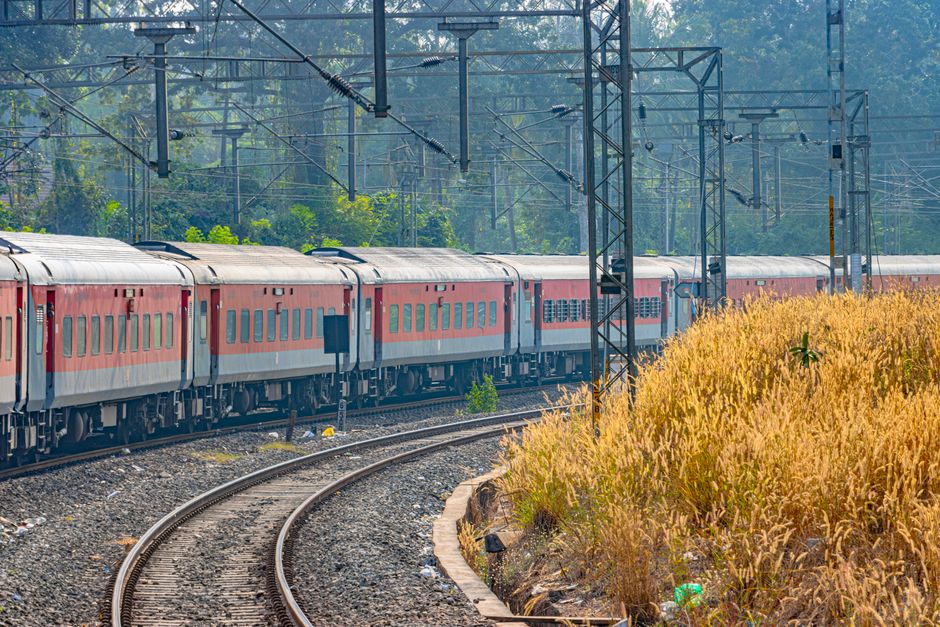
Why May bank holiday trains can save more time than flights
Could a train get you on holiday faster than a flight once airport time is counted? For many May breaks from London, yes. The train leaves from a city-centre station, avoids a long trip to an outlying airport, and puts you in another city without a security queue, gate wait or baggage carousel.
Airport time is not flight time
A two-hour flight can consume five or six hours of your day. Add 90 minutes at the airport, 45 minutes for the journey to the terminal, a possible queue at security, boarding time and the transfer from the arrival airport into the city. A direct train often cuts out three of those stages. London St Pancras, King’s Cross, Euston and Paddington are already inside the transport network. Paris Gare du Nord, Edinburgh Waverley, Manchester Piccadilly and Bath Spa are also close to the places visitors actually want to visit.
The gain is not only speed. A train seat gives you a fixed base for the whole trip. You can read, work, eat, or keep a child occupied while the landscape changes. You also avoid the baggage-size rules and liquid restrictions that make a short flight feel like a packing exercise.
The two May long weekends in 2026
England and Wales have bank holidays on Monday 4 May and Monday 25 May 2026, according to the GOV.UK bank holiday calendar. Scotland uses the same two dates. That creates two obvious Friday-to-Monday breaks, but demand will rise sharply on Thursday evening and Monday afternoon. A Friday morning departure and a Monday evening return are usually easier to price than the peak escape and return windows.
Verdict: Choose rail when the destination is reachable in about four hours from a central station. The shorter the city-to-city journey, the more convincing the train advantage becomes.
How to compare a train with a flight door to door

Door-to-door time is the number that should decide your May weekend route. Comparing a 2-hour-16-minute train with a 1-hour-25-minute flight tells you very little if the flight requires an airport transfer, early arrival and a long ride from the runway to the hotel.
Use this five-part time calculation
- Start with the journey from home to the departure station or airport.
- Add the minimum airport arrival time required for your flight, usually 90 to 120 minutes for an international trip.
- Add security, boarding and the time needed to reach the aircraft gate.
- Include the arrival transfer from the airport to the city centre or accommodation.
- Compare the full total with the train time plus a 20-minute station arrival buffer.
For a London-to-Paris weekend, a 2-hour-16-minute Eurostar journey can begin at St Pancras with a manageable station buffer. A flight may take less time in the air but still need a connection to Heathrow, early airport arrival and a longer transfer after landing. The rail option wins on usable holiday time.
Score the trip on access, not just speed
Give each route three scores: total time, total cost and disruption risk. Total cost should include airport transfers, seat selection, cabin baggage fees and food bought in a terminal. Disruption risk should include planned engineering work, a tight connection and the number of separate tickets. A direct train from London to Bath is more robust than a cheap flight that requires two buses and a late-night connection.
For travellers outside London, add the feeder journey honestly. A person starting in Bristol may lose the advantage of Eurostar after paying for a connection to London, while someone in Birmingham may find Manchester or Liverpool much easier by rail. The winning route is the one that keeps the whole journey simple.
Verdict: If the train reaches the destination centre within roughly two hours of the flight’s total airport-to-hotel time, take the train. That is the fairest comparison.
Five May long weekend trains worth booking from London
These routes cover the strongest city-break choices for the two May 2026 bank holidays. Fares shown as “from” are advance or promotional prices, not guaranteed prices for the holiday weekend. Check the operator before paying.
| Service and route | Typical journey | Published fare guide | Clear verdict |
|---|---|---|---|
| Eurostar London St Pancras to Paris | 2h 16m direct | From £39 one way | Best overseas city break |
| GWR London Paddington to Bath Spa | About 1h 20m direct | From £14.50 each way | Best low-friction weekend |
| Avanti West Coast London Euston to Manchester | About 2h 15m on typical services | Advance fares from £35 | Best for food, music and nightlife |
| LNER Azuma London King’s Cross to Edinburgh | About 4h 10m on the fastest service | Advance fare varies by train | Best full-length UK city break |
| Lumo London King’s Cross to Edinburgh | Average 4h 23m | Fares average around £55 | Best budget alternative on the east coast |
The strongest short-break pick
For a three-night trip, GWR to Bath is the easiest recommendation. The service runs from Paddington to Bath Spa in about 80 minutes, and the operator advertises tickets from £14.50 each way on selected journeys. There is no airport transfer to budget for, and the station is close to the Roman Baths, the Abbey and the central hotels. It gives you the highest sightseeing return for the least travel effort.
The strongest long-distance picks
For Paris, Eurostar is the clear choice because it is direct, city-centre to city-centre, and lists London-to-Paris journeys from £39 one way on selected fares. For Manchester, Avanti West Coast is the practical winner, with a typical journey of about 2 hours 15 minutes and promotional Advance fares from £35. For Edinburgh, compare LNER Azuma with Lumo: LNER is faster on its best services at around 4 hours 10 minutes, while Lumo’s average journey is 4 hours 23 minutes and its average fare is around £55. The cheapest Edinburgh train is not always the fastest, but Lumo is the better price-led option.
What you really save by avoiding the airport

Verdict: The main saving is not always money; it is the number of uncertain steps between leaving home and reaching the hotel.
The queues you remove
A train journey normally has one main control point: the ticket gate. You may still face a platform change or a busy concourse, but you are not standing in a security line with a laptop outside its bag. You do not need to wait for a boarding group, protect a cabin bag from a size checker or sit in a remote gate area while the clock runs down.
That matters most on a four-day break. Losing two hours at each end of the trip can remove a quarter of your usable holiday. A central station also makes an early arrival less painful. You can walk to the hotel, leave luggage, and start sightseeing instead of paying for a transfer from a distant airport.
The queues trains do not remove
Rail travel is not a promise of perfect timing. May weekends can bring engineering work, reduced services and crowded platforms. A delayed train can also affect a separate connection, especially if you book each part of the journey on different tickets. A crowded train with no reserved seat is another real cost, particularly for families.
That is why a direct service matters more than a low headline fare. A slightly dearer direct ticket may protect half a day of the trip. Leave a buffer before a restaurant booking, theatre performance or international connection. The train wins when it reduces total friction, not when it merely looks faster on a timetable.
When a May weekend train is the wrong choice
Is a flight still better for a very long journey?
Yes. If your destination requires a long rail chain, two overnight stays or a final connection that runs only twice a day, flying may protect more holiday time. Rail is not automatically superior for every distance. A traveller starting in northern England may also find that flying from a nearby regional airport beats travelling south to London first.
Should you choose LNER Azuma or Lumo to Edinburgh?
Choose LNER Azuma when arrival time matters most. Its fastest London-to-Edinburgh services take about 4 hours 10 minutes. Choose Lumo when the fare is the priority and its roughly 4-hour-23-minute average journey fits your plans. Do not choose either service without checking the exact May departure, because weekend engineering work can change the real journey.
Which route is the safest recommendation?
For the Early May bank holiday, GWR to Bath is the safest short-break recommendation because the journey is short, direct and easy to recover from if plans shift. For an international break, Eurostar to Paris is the strongest airport-queue alternative. For a UK city with a bigger nightlife and food scene, Avanti West Coast to Manchester is the clear pick. Edinburgh rewards the traveller who can accept a longer ride in exchange for a proper change of scene.
The practical rule is simple: choose the route that starts near home, arrives near the hotel and leaves enough timetable margin for one ordinary delay. That is how a May long weekend becomes a break rather than a sequence of queues.