Is Santorini overrated in 2026? If you only see Oia at sunset, yes. Completely. If you know where to go after the cruise ships leave, it’s still one of the most geologically insane places on Earth. I’ve spent six summers working on this island. Here’s the truth nobody posts on Instagram.
The problem isn’t the island. The problem is that 90% of visitors cram themselves into 10% of the space. You can stand shoulder-to-shoulder with 2,000 strangers watching the Oia sunset, or you can walk 20 minutes south and watch the same sun drop into the same sea with maybe 15 people around you. Same colors. Same caldera. No selfie sticks hitting your face.
The Real Numbers Behind the Crowds in 2026
Santorini expects around 3.4 million visitors in 2026. That’s up from 2.9 million in 2026. The island is roughly 76 square kilometers. Do the math. On peak days in July and August, up to 18,000 cruise passengers disembark before noon. They all funnel into Fira, Oia, and a handful of photo spots. Then they all leave by 5pm.
This creates a bizarre rhythm. From 10am to 4pm, the caldera path from Fira to Oia is a human conveyor belt. By 7pm, after the ships depart, you can hear your own footsteps on the same path. The island empties out. Restaurants in Fira that were packed at 2pm have empty tables at 8pm.
If you’re staying on the island, you already have the solution. Book accommodations in Fira, Firostefani, or Imerovigli. Wake up early. Do your exploring before 9am or after 6pm. Sleep through the midday crush. This single adjustment changes everything about your experience.
When Cruise Ships Dictate Your Day
Check the Port of Santorini cruise schedule before booking flights. It’s public information. If four ships are scheduled on a Tuesday, that Tuesday will be miserable in Fira. No restaurant reservation will save you. No “hidden gem” will be hidden. The entire caldera rim becomes a theme park.
Here’s what most travel blogs won’t tell you: the cable car in Fira can have a 90-minute wait when multiple ships are docked. The alternative is walking up 588 steps alongside donkeys. In July heat. After a 10-hour flight. This is how the “magical Greek island” becomes a survival test.
My rule: if more than 12,000 cruise passengers are scheduled, avoid Fira and Oia entirely that day. Go to the beaches on the east side. Go to Pyrgos. Go to a winery. Anywhere that isn’t the caldera rim.
Where to Find the Postcard Views Without the Postcard Crowds
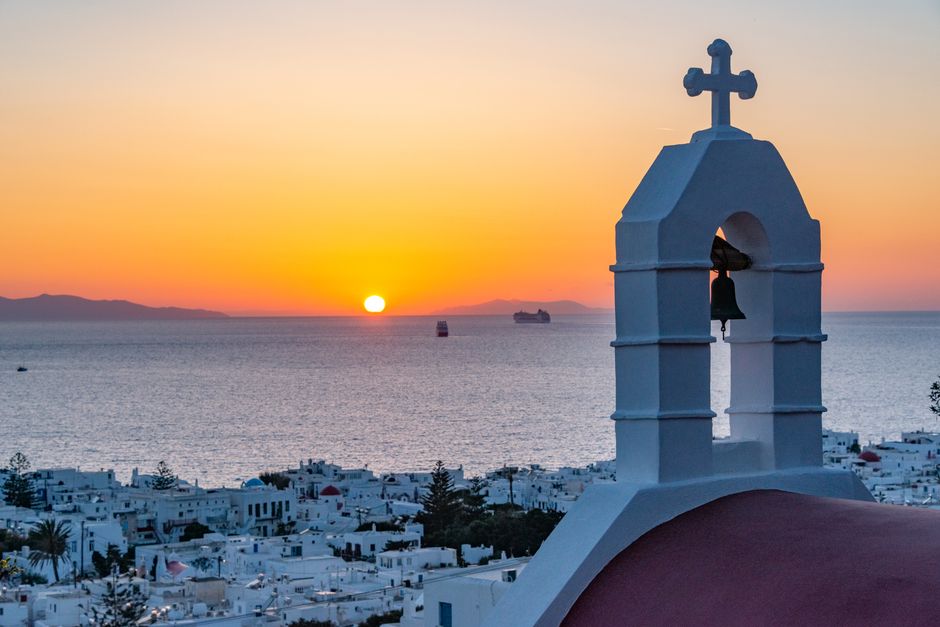
Imerovigli sits higher than Fira and Oia. It has better caldera views. It has fewer shops. It has fewer people. The village is small, but the walking path from Imerovigli to Firostefani gives you the classic white-washed buildings and blue domes without the crush. You can actually stop and take a photo without someone’s elbow in your frame.
Pyrgos is the old capital. It’s inland, built on a hill, and has a completely different character. Narrow medieval streets. Almost no cruise passengers. The view from the Venetian castle at the top gives you the entire island in one sweep — caldera on one side, Aegean on the other. You can buy a freddo espresso for €2.50 instead of €6. That’s not a small difference.
Megalochori is a village most visitors drive through without stopping. Big mistake. It has traditional cave houses, a gorgeous central square, and two of the best tavernas on the island: Feggera and Raki. You’ll eat next to locals, not tour groups. The prices are roughly 30% lower than anything in Oia.
The Sunset Problem
Everyone wants the Oia sunset. The reality: you’ll stand for two hours to claim a spot. You’ll watch through a forest of phones. You’ll hear tour guides yelling in six languages. Then you’ll fight for a taxi back to your hotel.
Better option: watch sunset from the Akrotiri lighthouse. It’s the southwestern tip of the island. You get the full caldera view, the volcano, and the sun setting directly into the sea. Bring a bottle of Assyrtiko wine. Bring a towel to sit on. You’ll share it with maybe 50 people on a busy day. This is not a secret among locals, but it’s a secret among tourists.
What Still Makes Santorini Worth Visiting in 2026
The caldera. Full stop. There is nowhere else on Earth where you stand on the rim of a collapsed volcano, 300 meters above the sea, looking at islands that didn’t exist before the Minoan eruption. The geology is the attraction. The white houses are just decoration.
The hike from Fira to Oia is 10.5 kilometers along the caldera rim. It takes about 3 hours at a comfortable pace. Start at 7am and you’ll have the path almost to yourself. You’ll pass through Firostefani, Imerovigli, and then the wilder stretch past Profitis Ilias. The views change every kilometer. This is the single best free activity on the island.
The food is genuinely good when you leave the caldera restaurants. Santorini produces fava beans, cherry tomatoes, white eggplants, and Assyrtiko grapes that grow in volcanic soil. The local fava purée with caramelized onions is the best thing you’ll eat all week. Pair it with a bottle of Santo Wines Assyrtiko (€18-25 at a taverna) and you’ll understand why people keep coming back.
The Beach Reality Check
Santorini is not a beach island. The beaches are volcanic — black sand, red sand, pebbles. They’re interesting, not beautiful. Perissa and Kamari have black sand and decent beach bars. Red Beach near Akrotiri is a photogenic cove with red cliffs, but the sand is rocky and the cliff face has had landslides. If you want white sand and turquoise water, go to Milos or Paros. Santorini’s beaches are for a quick swim, not a beach vacation.
How Much Does Santorini Actually Cost in 2026?
Let’s be honest about money. Santorini is the most expensive island in the Cyclades. A caldera-view room in Oia costs €400-800 per night in peak season. The same room in Fira costs €250-450. In Megalochori or Pyrgos, you can find excellent places for €120-200. The view is different — you won’t have the caldera — but you’ll have peace and a real village experience.
| Expense | Oia/Fira (Caldera) | Pyrgos/Megalochori (Inland) |
|---|---|---|
| Hotel per night (June) | €300-600 | €110-180 |
| Dinner for two with wine | €80-120 | €45-70 |
| Freddo espresso | €5-7 | €2.50-3.50 |
| Sunset cocktail | €18-25 | €8-12 |
| ATV rental per day | €45-60 | €35-45 |
Renting an ATV or scooter is the best way to escape the crowds. The island is small. You can drive from one end to the other in 45 minutes. A car is overkill. An ATV costs around €40-50 per day and lets you park anywhere. Book through your hotel, not at the port. You’ll get better rates and a vehicle that actually starts.
When to Skip Santorini Entirely
If you have 2-3 days in Greece and you’re island-hopping, skip Santorini. The ferry from Athens takes 5-8 hours. The airport is chaotic in summer. You’ll spend half your trip in transit for a place that needs 4-5 days minimum to do properly. Go to Naxos or Paros instead. They’re closer, cheaper, and have better beaches.
If you’re on a tight budget, skip Santorini. You can have a comparable Cycladic experience on Milos or Folegandros for half the price. Folegandros has the same cliffside village aesthetic with maybe 5% of the crowds. Milos has better beaches and more varied landscapes. Santorini’s premium is for the caldera. If you don’t care about volcanic geology, you’re paying for something you won’t appreciate.
If you hate crowds, visit in late October or April. The sea is cold, some restaurants are closed, but you’ll have Oia almost to yourself. The light in October is softer. The sunsets are longer. The prices drop by 40-50%. This is when locals actually enjoy their own island.
Final Verdict: Overrated or Misunderstood?
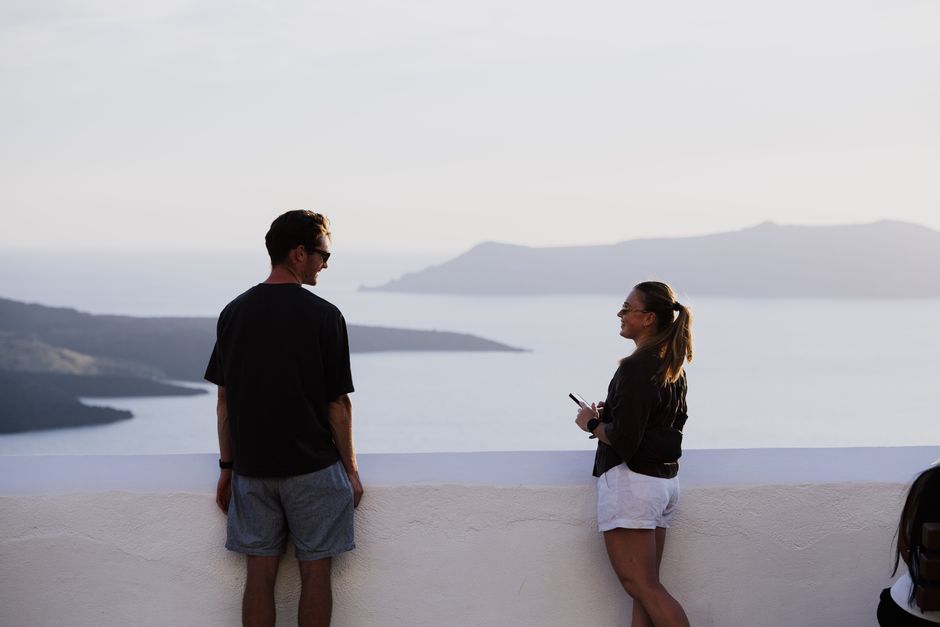
Santorini is not overrated. It’s overvisited. Those are different things. The caldera is genuinely one of the most spectacular landscapes in Europe. The problem is the way most people experience it — rushed, crowded, and confined to the most commercialized corners.
Stay in Pyrgos or Megalochori. Rent an ATV. Check the cruise schedule. Hike the caldera at dawn. Watch sunset from Akrotiri. Eat fava and grilled octopus at a village taverna. Do those things and Santorini in 2026 will exceed every photo you’ve ever seen.
The single most important takeaway: Santorini’s magic exists in the hours and places the crowds don’t touch — find those, and the island transforms from tourist trap to geological wonder.