
You booked the flight. You packed the bag. You show up at the airport and the check-in agent asks for a document you have never heard of. Your stomach drops. The line behind you grows. You get turned away. This exact scenario plays out every single day at international departure gates, and it is almost always preventable.
Most travelers assume a passport is enough. It is not. In 2026, international document requirements have shifted in specific ways that generic travel blogs miss. This checklist covers exactly what you need, what trips people up, and what you can skip.
Passport Rules That Actually Get People Denied
Your passport is the foundation. But two details cause more denials than a missing visa.
The Six-Month Validity Rule
Many countries require your passport to be valid for at least six months beyond your planned return date. The U.S. Department of State maintains a list of countries enforcing this rule, but it changes. China, Brazil, Indonesia, and most of the Middle East enforce it strictly. If your passport expires in four months and you book a two-week trip to Brazil, you are not flying. Check the exact expiration date before you book anything.
Blank Page Requirements
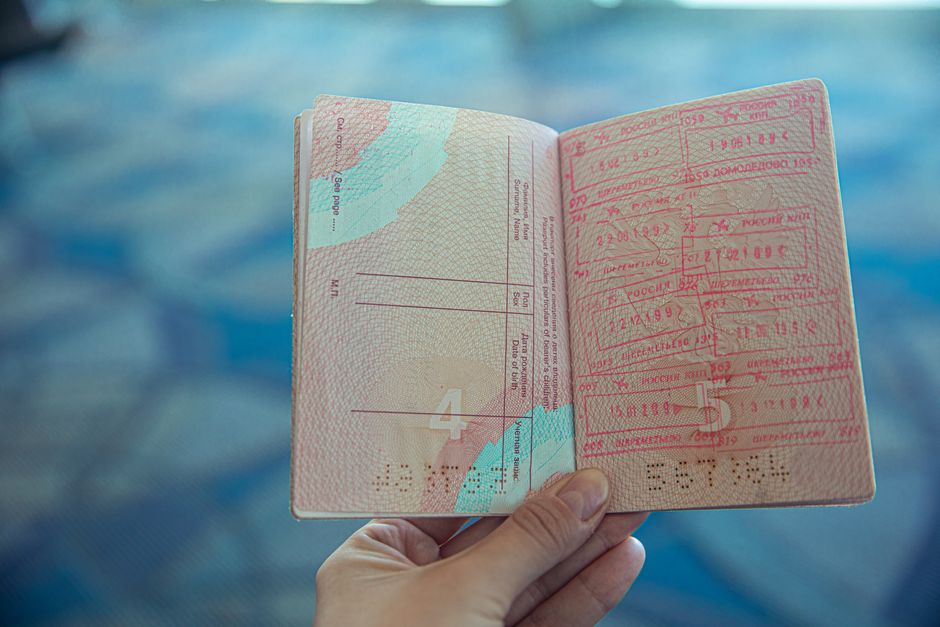
Some countries require one or two completely blank visa pages. South Africa wants two consecutive blank pages. A page with a single stamp on it does not count. If you have been traveling heavily, check your remaining pages. The U.S. passport office no longer adds pages to existing passports. You need a renewal if you are low.
Bottom line: pull out your passport right now. Check the expiration date and count blank pages. This takes sixty seconds and prevents a ruined trip.
Visa Requirements by Destination: A Comparison Table
Visa rules are not universal. A U.S. passport holder can enter Japan visa-free for 90 days but needs a visa for India, China, and Russia. Here is a snapshot of common 2026 requirements for U.S. citizens:
| Destination | Visa Required? | Max Stay | Special Note |
|---|---|---|---|
| Japan | No | 90 days | Passport must be valid for duration of stay |
| United Kingdom | No (ETA required) | 6 months | Electronic Travel Authorisation mandatory from 2026 onward |
| European Schengen Area | No (ETIAS required) | 90 days within 180 days | ETIAS launches in 2026 for visa-exempt travelers |
| India | Yes (e-Visa available) | 30-60 days depending on type | Apply at least 4 days before departure |
| Brazil | No (for tourism) | 90 days | Six-month passport validity strictly enforced |
| Australia | Yes (ETA or eVisitor) | 90 days per visit | Apply online; approval usually within hours |
Do not rely on this table alone. Visa rules change without notice. The IATA Timatic database is what airline check-in agents actually use. You can access a free version through most airline websites or the TravelDoc portal. If Timatic says you need a visa, the airline will deny boarding. No argument will change that.
ETIAS and Digital Entry Systems: What Changed for 2026
This is the one that catches people off guard. In 2026, the European Union fully implements the ETIAS system for visa-exempt travelers, including U.S. citizens. It is not a visa. It is an electronic travel authorization linked to your passport. The cost is €7 (around $8). It is valid for three years or until your passport expires, whichever comes first.
The United Kingdom already runs a similar program called the UK ETA. It costs £10 and is required for U.S. citizens entering the UK, even for a layover. If you are transiting through London Heathrow on the way to somewhere else, you still need the ETA. This has burned thousands of travelers who assumed a layover does not count.
Here is the failure mode: you book a flight to Paris with a connection in London. You apply for ETIAS but not the UK ETA. You get denied at your departure airport in the U.S. because the first international stop is the UK. Apply for every country you will physically set foot in, including layovers.
For the U.S. side, the Mobile Passport Control (MPC) app from U.S. Customs and Border Protection is free and lets you submit your arrival information before landing. It does not replace a passport, but it can cut your customs wait time significantly at major airports like JFK, Miami, and LAX.
Proof of Onward Travel and Accommodation: The Quiet Requirements

Some countries do not just want to know you can enter. They want proof you will leave. Immigration officers in Thailand, the Philippines, and Costa Rica frequently ask for a return or onward flight ticket before they stamp you in. If you booked a one-way ticket, you may be denied boarding at your departure airport.
The workaround: book a refundable onward ticket or use a service like OnwardTicket.com or BestOnwardTicket that provides a legitimate reservation for 48 hours. It costs about $12-$15. This is not a scam; it is a real reservation that gets canceled automatically. I have used this for open-ended trips to Southeast Asia without issue.
Accommodation proof is less common but appears in some visa applications. Brazil and Schengen visa applications sometimes ask for hotel bookings. Keep a printed or digital copy of your first night’s reservation. A hostel booking confirmation from Hostelworld or a hotel confirmation from Booking.com is sufficient.
Bottom line: carry a printed copy of your return ticket and first-night accommodation. Paper still works when your phone dies or airport Wi-Fi fails.
What You Do Not Need: Common Misconceptions
You do not need an international driving permit for most tourist travel, unless you plan to rent a car in Japan, Australia, or certain European countries. The AAA issues IDPs for about $20, and they are valid for one year. If you are not driving, skip it.
You do not need a notarized letter for traveling with your own child, but you absolutely do if you are a grandparent, aunt, uncle, or divorced parent traveling alone with a minor. Many countries, including Mexico and Canada, require a notarized consent letter from the non-traveling parent. The U.S. Customs and Border Protection website has a free template. Fill it out, get it notarized, and carry it.
You do not need printed copies of every document if you have digital backups. But I recommend printing your passport photo page, visa approval, and flight itinerary. Put them in a ziplock bag separate from your passport. If your passport is stolen, the replacement process at a U.S. embassy is dramatically faster when you have a photocopy of the original.
This is not financial advice. It is practical travel advice based on current 2026 requirements. Rules change. Verify with the embassy or consulate of your destination country at least three weeks before departure.
For most travelers, the checklist is short: valid passport with six months of buffer, any required visa or ETA, ETIAS for Europe, UK ETA for UK layovers, and proof of onward travel for open-ended trips. Get those five things right and you will not be the person crying at the check-in counter.