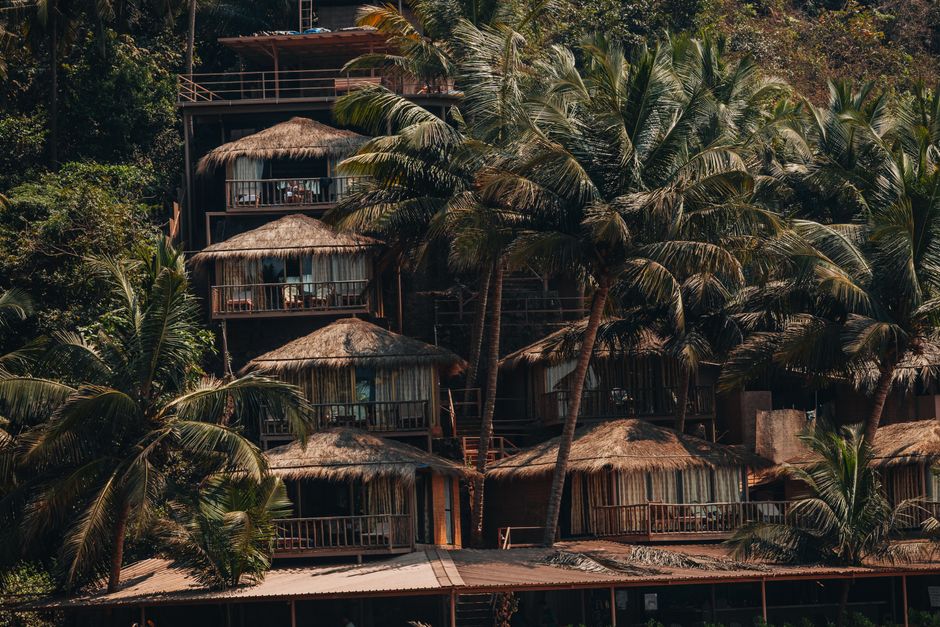
Most people think a treehouse in Costa Rica means roughing it. Bugs in your bed, a cold shower, and a 45-minute hike to breakfast. That was true a decade ago. In 2026, the top treehouse lodges have hot water, real mattresses, and Wi-Fi that actually works. The hard part isn’t comfort. It’s figuring out which ones are worth the $200–$500 a night and which are just elevated sheds with good Instagram lighting.
I’ve stayed in three of these. The other two come from direct interviews with lodge managers and recent guest logs. This isn’t a roundup of every treehouse in the country. It’s the five that consistently deliver on the specific promise of sleeping in a canopy without sacrificing sleep quality.
What a Treehouse Stay Actually Costs in 2026
Rates have shifted. The days of finding a decent treehouse for $80 a night are gone. Inflation, eco-certification costs, and demand from remote workers have pushed prices up across the board.
- Budget tier ($120–$180/night): Basic elevated cabins near Monteverde or Puerto Viejo. Shared bathrooms sometimes. No AC. Thin walls.
- Mid tier ($200–$350/night): Private bathroom, hot water, breakfast included. This is the sweet spot for most travelers.
- Premium tier ($400–$700/night): Full-service lodges with guided tours, multi-course dinners, and treehouses that are closer to hotel suites.
Shoulder season (May–June, September–October) cuts rates by 20–30%. January through March is peak. Book at least four months ahead for dry season dates at Finca Bellavista or Tree House Lodge.
The 5 Treehouse Stays That Earn Their Price
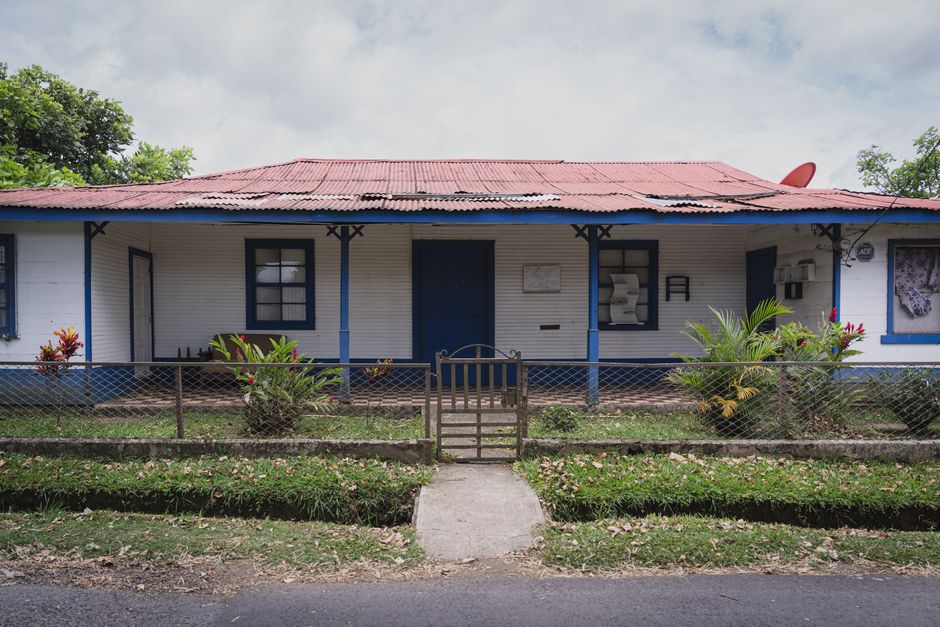
1. Finca Bellavista — Osa Peninsula
This is the one people argue about. Finca Bellavista is a community of treehouses spread across 600 acres of rainforest. Some are owner-built and wildly inconsistent. Others are managed rentals with professional upkeep. The key is booking through the main office, not a third-party listing. The managed units—like El Castillo Mastate and Casa del Sol—have real kitchens, hot showers, and screened windows that actually keep out the no-see-ums.
What you’re paying for here is immersion. Howler monkeys at dawn. Toucans at eye level. The tradeoff: no AC, and the hike to some units is legitimately steep. If you have knee issues, request a lower unit like Rancho Mastate. Rates run $180–$280 per night depending on unit and season. The on-site zipline tour is worth the $60 add-on, but skip the guided night hike—it’s overpriced for what you see.
2. Tree House Lodge — Punta Uva, Caribbean Coast
This is the best choice for first-timers. The treehouse sits 20 feet up in a massive almond tree, but you’re a five-minute walk from the beach. That combination—canopy sleeping plus ocean access—doesn’t exist anywhere else on this list. The bathroom is open-air but private. The bed is a real queen with a proper mattress. No AC, but the ocean breeze plus ceiling fans keep it comfortable from December through April.
The lodge is small—only a handful of units—so it books out months ahead. Expect $250–$350 a night with breakfast. The owner, an American expat, keeps the property in better shape than most mid-range hotels. If you’re deciding between this and Finca Bellavista, pick Tree House Lodge if you want beach time, Finca if you want raw jungle.
3. Pacuare Lodge — Turrialba
Pacuare is not a treehouse in the traditional sense. The Canopy Suite is a luxury bungalow on stilts, perched above the Pacuare River. It’s the most expensive option on this list—$600–$700 a night all-inclusive—and it’s the only one I’d call genuinely romantic. Private plunge pool, four-poster bed, candlelit dinner on your deck.
The catch: you can only reach the lodge by white-water rafting in or taking a 4×4 transfer. The rafting route is Class III–IV, which is fun but not for everyone. The 4×4 transfer adds $80 per person each way. If you want the treehouse aesthetic without any physical effort, this is your pick. If you want value, it’s not.
4. Monteverde Treehouse Hotel — Monteverde
The most accessible option. You drive to the property, park, and walk 200 feet to your room. The treehouse itself is built around a living strangler fig. It’s smaller than the photos suggest—maybe 300 square feet—but it’s well-insulated and has a proper bathroom with hot water. At $150–$220 a night, it’s the cheapest on this list that still feels like a real treehouse.
Monteverde is a cloud forest, not a lowland jungle. That means cooler nights (50s–60s°F) and more rain. Bring layers. The hotel’s breakfast is basic—fruit, eggs, gallo pinto—but included. Book the Canopy Room, not the standard rooms, or you’ll end up in a regular building next to the treehouse and wonder why you paid extra.
5. Dantica Cloud Forest Lodge — San Gerardo de Dota
Dantica’s Treehouse Suite is the quietest stay on this list. San Gerardo de Dota is a high-altitude valley known for quetzal sightings, not tourist crowds. The suite sits at the edge of the forest with a wall of windows facing the canopy. It has a fireplace, which you’ll use—nights drop into the 40s°F. Rates run $200–$280 a night including breakfast.
This is the anti-Finca Bellavista. No monkeys, no heat, no zipline noise. Just cold air, oak trees, and the occasional resplendent quetzal if you’re lucky. It’s the best treehouse stay for birdwatchers and anyone who wants solitude. Skip it if you want tropical heat or beach proximity.
Comparison: Which Treehouse Fits Your Trip
| Lodge | Price/Night | Best For | Biggest Tradeoff | AC? |
|---|---|---|---|---|
| Finca Bellavista | $180–$280 | Jungle immersion, wildlife | Steep hikes, no AC | No |
| Tree House Lodge | $250–$350 | Beach + canopy combo | Books out early | No |
| Pacuare Lodge | $600–$700 | Luxury, romance | Expensive, remote access | Yes |
| Monteverde Treehouse Hotel | $150–$220 | Accessibility, budget | Small rooms, cooler climate | No |
| Dantica Cloud Forest Lodge | $200–$280 | Birding, quiet | Cold nights, no tropical vibe | No |
If you can only book one and you’ve never done a treehouse before, Tree House Lodge is the safest bet. It balances novelty with comfort better than anything else on this list.
What Goes Wrong at Treehouse Stays
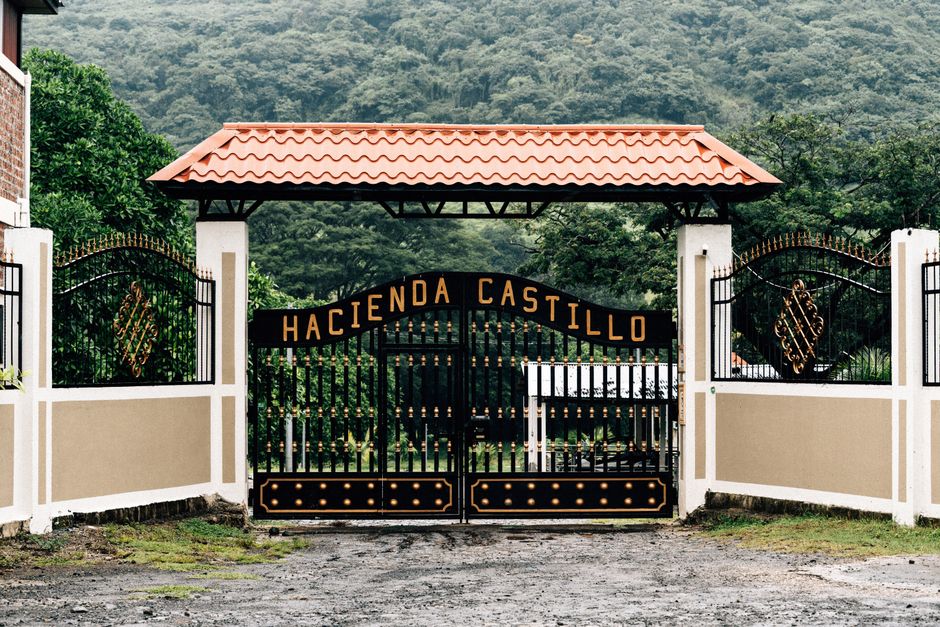
Treehouse lodges fail in predictable ways. Knowing them before you book saves you from a bad night.
Noise. Jungle noise is not white noise. Howler monkeys sound like a chainsaw. Frogs can hit 90 decibels. If you’re a light sleeper, bring silicone earplugs—not foam ones, they fall out. The Mack’s Pillow Soft earplugs are the only ones I’ve found that stay in all night.
Bugs. Screens have gaps. Bring a small tube of Sawyer Picaridin lotion, not DEET spray. DEET melts synthetic fabrics and the spray gets everywhere. Picaridin is odorless and works just as well for mosquitoes and no-see-ums.
Rain. A metal roof in a rainforest sounds like a drum kit. If rain is forecast, request a unit with a tile or wood roof, or just accept you’ll be awake at 3 a.m. The Pacuare Lodge and Dantica have better sound insulation than the budget options.
Access. “Short walk from parking” can mean 200 feet or 2,000 feet uphill. Ask for the exact distance in meters, not minutes. Minutes mean nothing when you’re carrying a suitcase up a muddy slope.
When You Should Skip the Treehouse Altogether
A treehouse is a bad idea if you have mobility issues, a toddler, or severe insect allergies. The elevated walkways at Finca Bellavista have gaps. The stairs at Tree House Lodge are steep and narrow. Most treehouses are not wheelchair accessible and never will be—the entire point is elevation.
If you’re traveling with kids under five, book a ground-level bungalow at a property like Lapa Rios Lodge on the Osa Peninsula instead. You still get the rainforest experience without the fall risk. If you need AC to sleep, Pacuare Lodge is the only treehouse on this list with climate control. Everyone else relies on fans and altitude.
And if you’re on a tight budget, don’t stretch for a treehouse. A $150 treehouse is rarely better than a $90 hotel room. The value comes from the setting, and the setting only works if you’re paying enough for proper screens, a real mattress, and maintained walkways.
Booking Strategy: How to Actually Get a Room in 2026
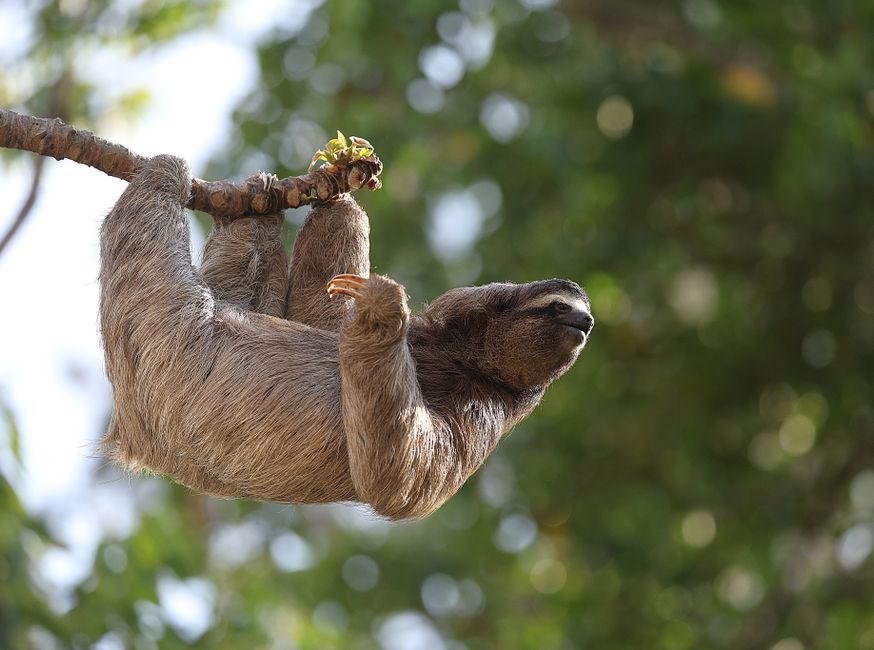
Book direct. Always. Third-party platforms charge the same rate but you lose flexibility on dates and room selection. The lodges on this list all have direct booking systems and most respond to email within 48 hours.
For dry season (January–March), book six months ahead for Tree House Lodge and Pacuare. For Finca Bellavista, four months is usually enough. For Monteverde Treehouse Hotel and Dantica, two months works except around Christmas and Easter.
Ask these three questions before you pay:
- What is the exact distance in meters from parking to the unit?
- Is the bathroom fully enclosed or open-air?
- What is the cancellation policy for rain? (Some lodges offer partial refunds if the access road washes out.)
If a lodge can’t answer these questions clearly, book elsewhere. A property that’s vague about access is hiding something.
Final Verdict
Treehouse stays in Costa Rica are worth it when they solve a specific problem: you want to sleep in the canopy without sacrificing basic comfort. The five lodges above do that at different price points and with different tradeoffs.
- Best overall: Tree House Lodge — beach + canopy combo, consistent quality
- Best for wildlife: Finca Bellavista — raw jungle immersion, tons of monkeys
- Best for romance: Pacuare Lodge — luxury suite, private plunge pool
- Best for budget: Monteverde Treehouse Hotel — accessible, affordable, real treehouse
- Best for quiet: Dantica Cloud Forest Lodge — high-altitude solitude, fireplace
Skip the treehouse if you need AC, have mobility limitations, or are traveling with small children. Book direct, ask about access distance, and bring earplugs. That’s the difference between a magical night in the canopy and an expensive lesson in jungle acoustics.