After enough two-night flights to learn what stays buried in a bag, I now pack around the airline limit, the forecast, and one small clothing system. That keeps a short spring trip comfortable without paying to check luggage or dragging a heavy case through a train station.
Start with the airline limit, not the bag
Check the tightest rule first
The fastest way to ruin a light-packing plan is to buy a bag before checking the ticket rules. A standard US carry-on often sits near 22 x 14 x 9 inches, but regional aircraft and low-cost airlines can impose smaller limits. Some basic fares include only an under-seat personal item. Your route, fare, and aircraft matter more than the label printed on a suitcase.
- Open the airline app and record the exact dimensions for your fare.
- Check the weight cap, especially on international and budget carriers.
- Measure the packed bag, including wheels, handles, and swollen side pockets.
- Leave at least 1 inch of height and width margin if the route uses small regional planes.
Set a weight target before packing
For a two- or three-night spring hop, I aim for 6 to 8 kilograms before adding food or a full water bottle. That target leaves room for a jacket, chargers, and the small extras that appear at the last minute. The target also exposes a heavy empty bag. A case that weighs 3 kilograms gives away half the useful weight allowance before you add a shirt.
My verdict is simple: treat the smallest likely limit as your real limit. A bag that fits generously at home but fails at the gate is not a bargain. Check the airline’s own page again 24 hours before departure because fare rules and aircraft assignments can change.
Build a three-day spring capsule before adding extras
Use a seven-outfit ceiling
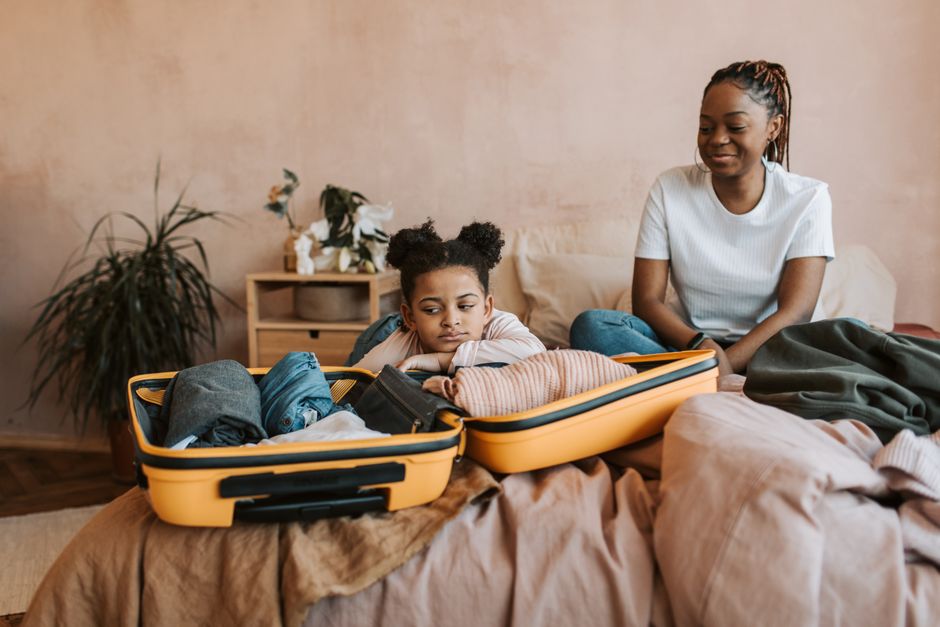
Short trips become heavy when every possible outfit enters the bag. I set a hard ceiling of two bottoms, three tops, one mid-layer, one weather shell, underwear for each day plus one spare, and one pair of walking shoes. That creates seven usable combinations without packing seven complete outfits.
| Item group | Quantity | Spring packing rule |
|---|---|---|
| Bottoms | 2 | Wear the heavier pair; pack one lighter pair |
| Tops | 3 | Choose two neutral colors and one accent |
| Mid-layer | 1 | Wear a thin sweater or overshirt on the flight |
| Weather layer | 1 | Pack a shell that handles wind and light rain |
| Underwear and socks | 4 sets | Include one spare; wash a set if the trip runs longer |
| Shoes | 1 packed maximum | Wear the bulkier walking shoes in transit |
Pack for temperature swings
Spring weather rewards layers, not bulky insulation. A merino or synthetic T-shirt, thin overshirt, and light shell cover a wider range than one thick sweatshirt. Wear the mid-layer through the airport if the forecast drops below 12°C, then remove it after boarding. This shifts weight onto your body while keeping the bag small.
Keep colors compatible. Navy, black, gray, olive, and white create more combinations than a suitcase full of single-use pieces. I also skip jeans on trips that involve long rail connections; they dry slowly and take up more room than travel trousers. The clear winner for a three-day spring hop is one washable capsule with one planned laundry option, not a backup for every imagined weather problem.
Pick the bag that matches the hop, not the product trend
Best all-rounder: Patagonia Black Hole Mini MLC 30L
My favorite size for a short spring trip is 28 to 32 liters. That is enough room for the capsule above, a tablet or laptop, and a small toiletry kit while staying compact enough for strict carry-on rules.
The useful part is the shape. It opens like a small suitcase, has stowable shoulder straps, and can be carried as a briefcase when I reach a hotel or coworking space. The tradeoff is weight: at 1,290 grams, it is not an ultralight backpack. I still pick it because the rectangular opening stops me from filling dead corners with random extras. For travelers who want one bag that works on planes, trains, and city walks, the Mini MLC is the best balanced choice.
Choose a backpack for stairs and a roller for long terminals
The Cotopaxi Allpa 35L Travel Pack is the better choice for uneven streets and repeated transfers. Its 35-liter design, suitcase-style opening, padded harness, and roughly 56 x 30 x 25 centimeter dimensions give it more room than I need for two nights but useful space for a bulky spring layer. It carries better than a cheap fashion backpack, though its boxy shape can feel large on a smaller frame.
It offers wheels plus deployable backpack straps, but the 6.06-pound empty weight is a serious penalty. I would choose it for long airport walks with a heavy load, not for a strict regional hop or an airline with an 8-kilogram total limit. The larger bag is not automatically the lighter solution.
Use organizers only when they save time
I like one medium cube for clothing and the small cube for underwear, but I do not fill every available organizer. Empty cube space becomes an excuse to pack more. For a compact short-trip setup, one medium cube plus a small pouch is enough.
My product verdict: get the Patagonia Black Hole Mini MLC 30L for a flexible carry-on, the Cotopaxi Allpa 35L if you will carry it over stairs and cobblestones, and skip the Osprey wheeled duffel unless rolling comfort matters more than empty weight.
Fix the three causes of overpacking before you leave
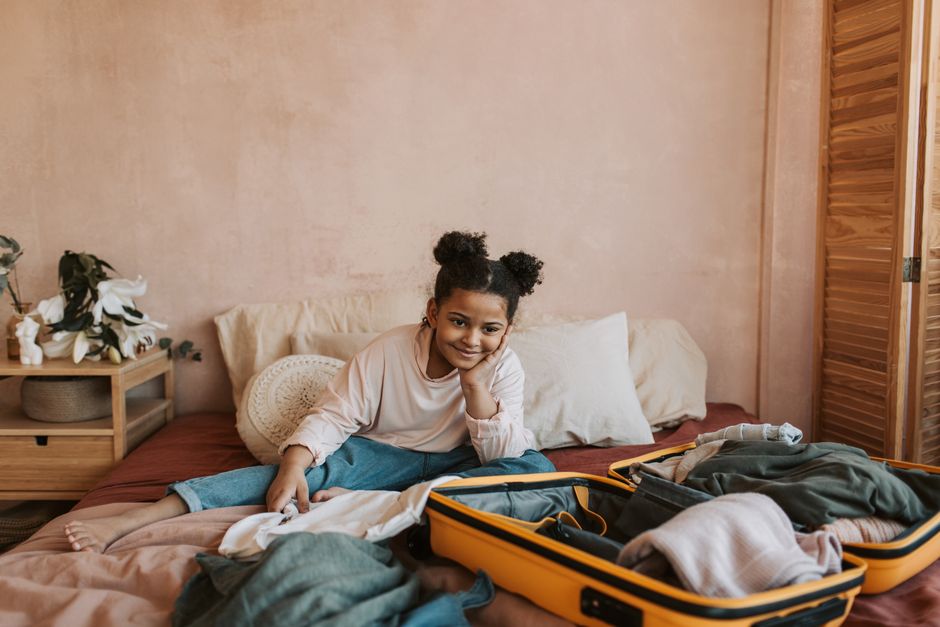
“What if the weather changes?”
Pack one shell and one layer, then check the hourly forecast before adding anything. A light rain jacket handles more spring situations than a second sweater. If the forecast shows a real cold snap, wear the warm layer in transit. Do not pack a complete second climate.
“What if I need nicer clothes?”
Choose one outfit that works for dinner and daytime. Dark trousers, clean sneakers, and an overshirt usually beat a separate dress outfit for a short city trip. If an event truly requires formal clothing, build the whole bag around that event and remove casual duplicates. The mistake is carrying a jacket, extra shoes, and spare trousers for a dinner that lasts two hours.
“What if toiletries leak or I forget something?”
Decant liquids into containers that hold only what you will use. Put them in one clear pouch near the opening. Buy ordinary consumables at the destination when the trip is short: toothpaste, sunscreen, and shampoo are poor uses of carry-on space. Keep prescription medicine, glasses, identification, and one change of underwear in your personal item. My verdict is to prepare for real inconvenience, not imaginary disaster. That single rule removes most of the weight people carry and never touch.
My 15-minute gate-ready packing routine
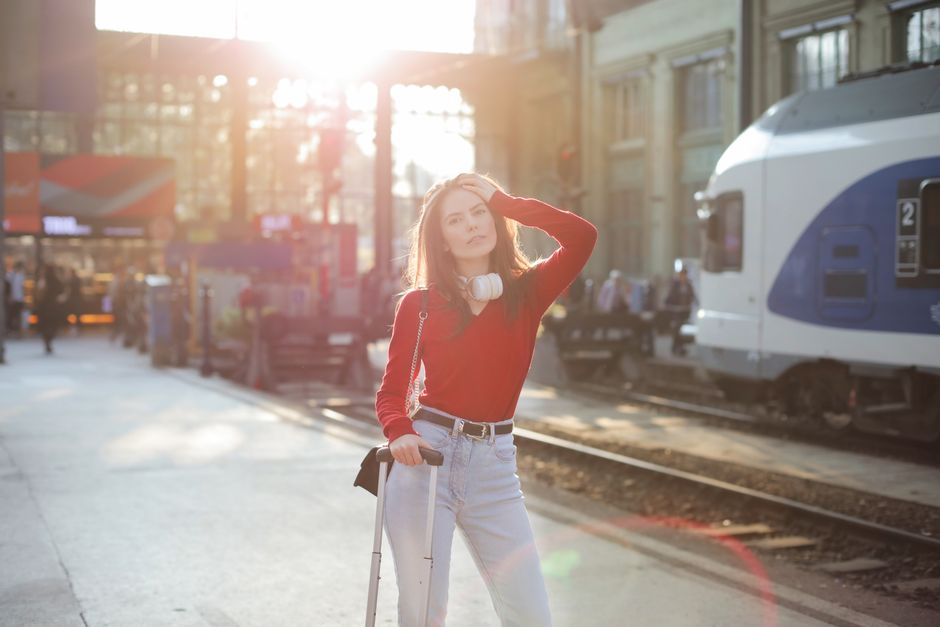
My strong opinion: pack the bag once, then remove 20 percent. The second pass is where a light carry-on becomes genuinely light. I use this routine before every short spring flight.
Load the bag in weight order
- Put shoes, toiletries, and chargers at the bottom or closest to the back panel.
- Place the clothing cube in the middle and keep one shirt near the zipper.
- Slide the shell or sweater across the top so it can come out without unpacking everything.
- Keep documents, medication, headphones, and a snack in the personal item.
- Wear the heaviest shoes, trousers, and mid-layer through the airport.
Then close every zipper. If the bag bulges, remove an item instead of forcing it shut. A stuffed bag is harder to fit under a seat, harder to lift into an overhead bin, and more likely to exceed the sizer.
Run the final three checks
Weigh the packed bag with a luggage scale, measure its widest point, and rehearse taking out your liquids at security. Leave one small pocket empty for your jacket or airport purchase. On the 2026 spring trips I plan, the best setup remains a 30-liter soft-sided bag, one clothing cube, one personal item, and a seven-outfit ceiling.
For most short hops, buy the Patagonia Black Hole Mini MLC 30L and pack it to 6 to 8 kilograms. It gives the best mix of compact dimensions, usable organization, and carry comfort without tempting you to bring a full week’s wardrobe.