You have two weeks of vacation approved and zero idea where to go. You open Pinterest, get hit with a wall of “wander often, wonder always” plastered over a stock sunset, and feel exactly nothing. That is the real problem with most travel quote collections — they are decorative, not useful.
The right quote does something different. It names a place. It tells you what the experience actually feels like. It comes from someone who went there, not a graphic designer with a font library. This is that kind of collection.
Why Most Travel Quote Lists Fail You Before You Even Leave the House
Most quotes circulating on social media were never written about travel at all. “Not all those who wander are lost” is from J.R.R. Tolkien’s The Fellowship of the Ring — specifically about Aragorn’s hidden lineage and the idea that royalty can exist in humble disguise. It has nothing to do with booking a flight to Lisbon or deciding between two destinations. It has been co-opted because it sounds right, not because it means anything useful to a traveler.
Real travel writers wrote specifically. John Muir did not say “go outside.” He said “The mountains are calling and I must go” — and he meant the Sierra Nevada, which he had explored on foot for years, mapping wilderness most Americans had never seen. Mark Twain’s most famous travel quote came directly from two years aboard a steamship, documented in The Innocents Abroad (1869). The specificity is the point.
There is also the attribution problem. Dozens of widely shared travel quotes are misattributed — assigned to Twain, Thoreau, or Einstein because the name adds authority, not because they actually wrote it. Tracking down who said something is worth five minutes of your time, especially before you put it in print.
The Difference Between Inspiration and Decoration
Decorative quotes exist to look good on a background image. Genuinely useful ones change what you do next. The test is simple: after reading the quote, do you want to go somewhere specific, or do you just feel vaguely warm about travel as a concept?
“Travel makes one modest. You see what a tiny place you occupy in the world” — written by Gustave Flaubert after traveling through Egypt and the Middle East in 1849–1850 — does something to you. It describes a real psychological event. You have either felt it or you want to feel it. That is a quote that earns its place. “Not all journeys end where they begin” does nothing. It fits on every photo ever taken.
How a Quote Can Short-Circuit a Destination Decision
A well-matched quote works like a very short review. When Audrey Hepburn’s character in Sabrina (1954) says “Paris is always a good idea,” it communicates something true: Paris has a quality of timelessness, of never being a wrong choice regardless of season, mood, or budget. That single line has probably influenced more Paris weekend trips than any official tourism campaign.
Contrast it with “life is short, travel often.” That could push anyone toward anything — a beach resort in Cancún, a cruise to Alaska, a day trip to a state park. It names no place, promises no experience, and creates no real desire for a specific destination.
What Separates a Useful Quote from an Empty One
Three things: a named place or recognizable landscape type, a feeling that is honest rather than aspirational, and an author who actually went there. Check all three and it is doing something useful. Check zero and it is wallpaper.
Seneca wrote “Travel and change of place impart new vigor to the mind” around 50 AD, after extensive travel through the Roman Empire. That quote has lasted 2,000 years because it describes something real — what happens when you break from a familiar environment. It is specific in its claim even if it names no destination. That is enough to make it worth reading.
Travel Quotes Matched to Destination Type
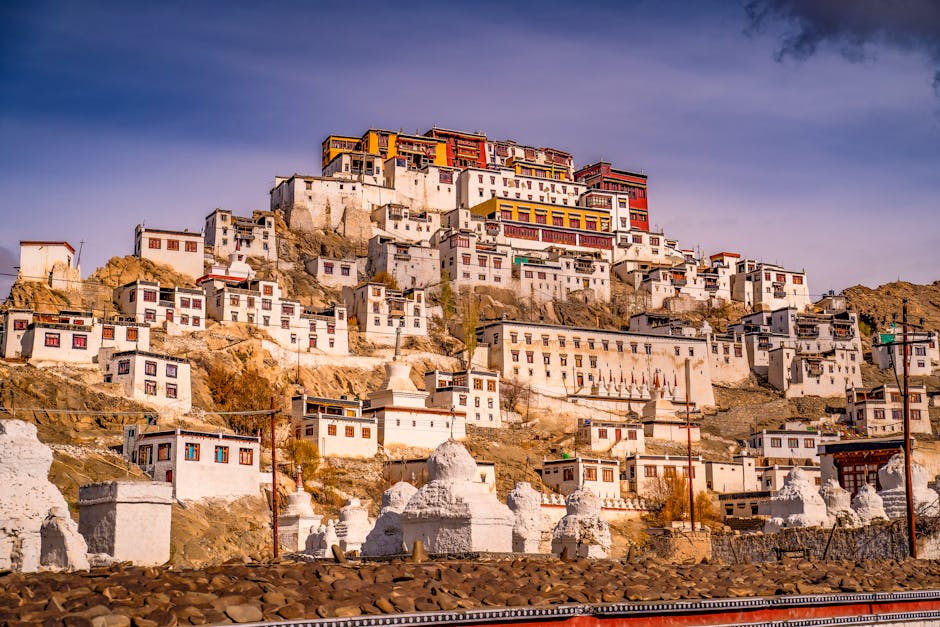
The table below organizes well-known quotes by the type of destination they best capture. Use it to find the right quote for where you are heading — or to find a destination that matches how you want to feel.
| Destination Type | Quote | Author / Source | Best Applied To |
|---|---|---|---|
| Mountain destinations | “The mountains are calling and I must go.” | John Muir | Patagonia, the Alps, Himalayas, Rocky Mountains |
| Ancient cities | “The world is a book and those who do not travel read only one page.” | Saint Augustine | Rome, Athens, Istanbul, Kyoto |
| Paris / beloved cities | “Paris is always a good idea.” | Audrey Hepburn, Sabrina (1954) | Any return trip to a city you already love |
| Remote wilderness | “A good traveler has no fixed plans and is not intent on arriving.” | Lao Tzu | Iceland, rural Scotland, the American West |
| Solo international travel | “I am not the same, having seen the moon shine on the other side of the world.” | Mary Anne Radmacher | Any first solo trip far from home |
| Cultural immersion | “To travel is to discover that everyone is wrong about other countries.” | Aldous Huxley | Southeast Asia, the Middle East, Eastern Europe |
| Coastal and ocean | “The sea, once it casts its spell, holds one in its net of wonder forever.” | Jacques Cousteau | Maldives, Amalfi Coast, Greek islands, Hawaii |
| Slow travel / long stays | “To move, to breathe, to fly, to float, to gain all while you give.” | Rainer Maria Rilke | Bali, Porto, Chiang Mai, Oaxaca |
| First major international trip | “Travel is fatal to prejudice, bigotry, and narrow-mindedness.” | Mark Twain, The Innocents Abroad (1869) | Any destination outside your home region |
| Adventure travel | “Adventure is worthwhile in itself.” | Amelia Earhart | Trekking, overlanding, any trip with physical risk |
Attribution note: The quote often credited to Mark Twain — “Twenty years from now you will be more disappointed by the things you didn’t do than by the ones you did” — almost certainly is not Twain’s. It first appeared in P.S. I Love You by H. Jackson Brown Jr. (1990), credited there to his mother. It is widely used, but verify before putting it in print.
Five Quotes from Writers Who Actually Showed Up
These are the five worth memorizing — not because they are the most popular, but because each one came from a writer or thinker with real, documented mileage behind the words.
“Travel makes one modest. You see what a tiny place you occupy in the world.” — Gustave Flaubert
Flaubert traveled through Egypt and the Middle East in 1849–1850, filling notebooks with raw, unfiltered observations. This quote is not platitude — it is a clinical description of what happens when you leave a familiar context and realize the world has been operating perfectly well without your version of normal. Best for anyone heading to a civilization older than their own country. Flaubert went there. He knew exactly what he was describing.
“I am not the same, having seen the moon shine on the other side of the world.” — Mary Anne Radmacher
Less famous than most on this list. More honest than almost all of them. This is what solo travel to a genuinely foreign place actually produces: a low-level, permanent dislocation from your previous self. If you are planning a first trip to West Africa, Central Asia, or rural Japan, read this one before you board. It tells you what to expect from the experience, not what to hope for.
“The journey of a thousand miles begins with a single step.” — Lao Tzu, Tao Te Ching
The original Chinese — 千里之行,始於足下 — comes from chapter 64 of the Tao Te Ching, written around the 4th century BC. It has been applied to every large undertaking imaginable. For travel specifically, it addresses one thing: inertia. The gap between wanting to go somewhere and actually booking the flight. That gap is the whole problem for most people. This quote belongs squarely on the list of anyone who has been planning the same trip for three years without booking it.
“To travel is to live.” — Hans Christian Andersen
Four words. No hedging. Andersen traveled extensively through Europe and the Middle East and incorporated what he saw into his stories and autobiography — this quote is traceable directly to his own writing. It is the most honest compression of why people keep returning to travel even when it is expensive, exhausting, and uncertain. If you need one quote to justify the cost of a trip to someone else, this is it.
“Once a year, go someplace you’ve never been before.” — Dalai Lama
Practical. Specific. An instruction, not an aspiration. Not “travel more” — once a year, one new place. For anyone building a travel habit rather than waiting for the perfect trip, this functions as an actual policy. Apply it literally and you will have been to thirty new places by age fifty. No other quote on this list is this actionable.
Quotes Matched to Five Travel Moods
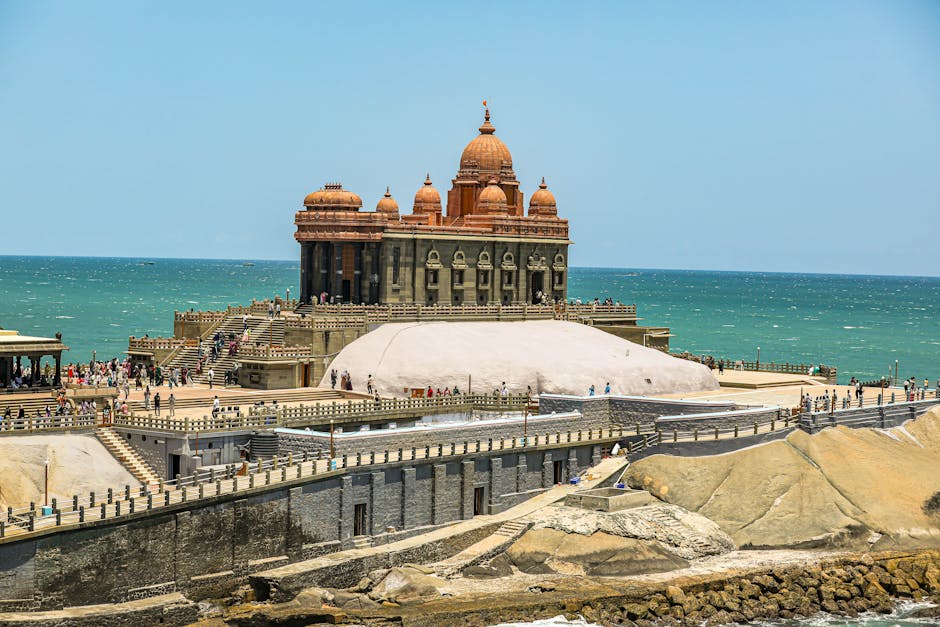
Before choosing a quote — or a destination — know which mode you are in. The five categories below cover the most common states a traveler arrives at when searching for inspiration. The quotes within each group are not interchangeable.
When you have been delaying a trip for too long:
- “Wherever you go, go with all your heart.” — Confucius
- “Jobs fill your pockets, adventures fill your soul.” — Jaime Lyn Beatty
- “I haven’t been everywhere, but it’s on my list.” — Susan Sontag
When you want somewhere completely unfamiliar:
- “Travel is fatal to prejudice, bigotry, and narrow-mindedness.” — Mark Twain
- “To travel is to discover that everyone is wrong about other countries.” — Aldous Huxley
- “A traveler without observation is a bird without wings.” — Moslih Eddin Saadi, 13th-century Persian poet
When you are planning a solo trip and second-guessing it:
- “I am not the same, having seen the moon shine on the other side of the world.” — Mary Anne Radmacher
- “Not all those who wander are lost.” — J.R.R. Tolkien, The Fellowship of the Ring
- “The use of traveling is to regulate imagination by reality.” — Samuel Johnson, A Journey to the Western Islands of Scotland (1775)
When the destination is mountains or wilderness:
- “The mountains are calling and I must go.” — John Muir
- “Climb the mountains and get their good tidings.” — John Muir
- “Adventure is worthwhile in itself.” — Amelia Earhart
When you are returning somewhere you already love:
- “Paris is always a good idea.” — Audrey Hepburn (applies to any city that feels permanent to you)
- “There is no moment of delight in any pilgrimage like the beginning of it.” — Charles Dudley Warner
- “To travel is to live.” — Hans Christian Andersen
The Twain quote and the Huxley quote both deal with encountering unfamiliar countries, but they operate differently. Twain’s is a prediction: travel will change your assumptions before you get there. Huxley’s is a verdict delivered after the fact. One belongs in your reading before the flight. One belongs in your journal on the way home. Using them backwards produces the wrong effect.
Samuel Johnson’s entry — “The use of traveling is to regulate imagination by reality” — is the most underused quote on this entire list. Johnson is describing what travel corrects in you: the mental model you built of a place before you arrived. He documented exactly this process in his own travels through Scotland, and he understood it clearly. If you are someone who over-researches destinations before visiting, this one is for you.
The One Standard Worth Applying to Every Quote You Use
Pick quotes that name what you will feel, not what you should feel.
“Paris is always a good idea” works because you recognize the emotion before you finish reading the sentence. “Travel opens your mind” is something you already believed at fifteen. One creates desire for a specific place. The other confirms a concept you never needed confirming. Every destination worth visiting has a writer who captured it honestly — Muir for the Sierra Nevada, Ibn Battuta for the ancient cities of North Africa and Central Asia, Matsuo Bashō for feudal Japan. Match the source to the place. If a quote could apply to any destination on earth, leave it where you found it.