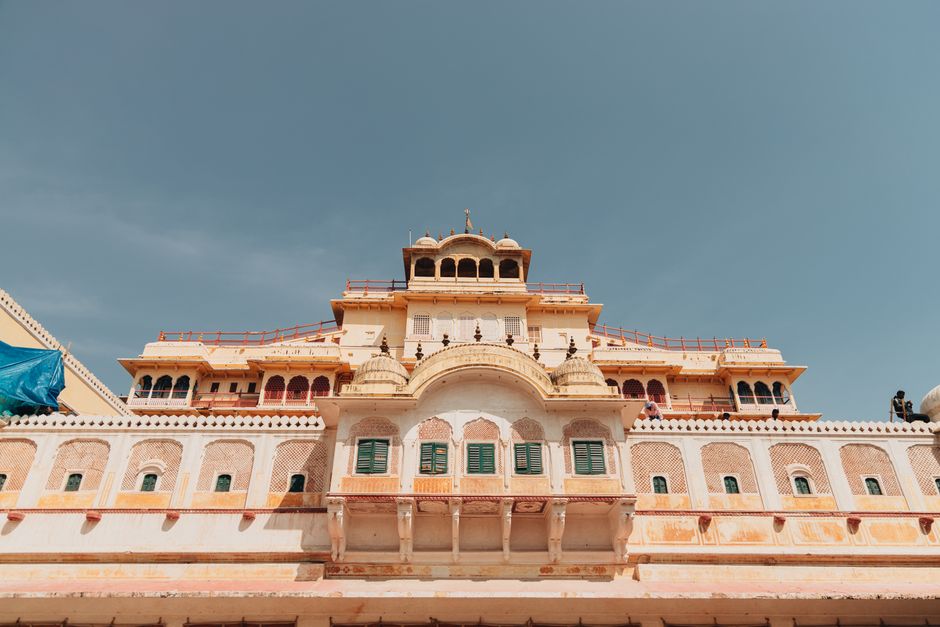
Algeria is not a country that yields its secrets to the casual, ill-prepared traveler. As the largest nation in Africa, its geography spans from the turquoise waters of the Mediterranean to the scorched, ancient heart of the Sahara. Consequently, the concept of a “perfect” time to visit is a geographical moving target. Imagine arriving in Algiers in late July; you step off the plane and are immediately met with a wall of 35°C (95°F) heat, compounded by a thick, coastal humidity that makes the steep hills of the Casbah feel like a vertical sauna. Conversely, imagine landing in Djanet in the deep south during January. The midday sun is a perfect 22°C (72°F), but by 10:00 PM, the temperature has plummeted to near freezing, leaving you shivering in a tent beneath the Saharan stars. A trip to the Roman ruins of the north requires a different calendar than a trek through the sandstone forests of the south, and understanding these nuances is the difference between a transformative journey and a logistical nightmare.
The Mediterranean Coast: Why Spring and Autumn Rule the North
The northern strip of Algeria, which includes the major urban centers of Algiers, Oran, and Constantine, enjoys a classic Mediterranean climate. For most travelers, the window between March and May represents the optimal balance of temperature and scenery. During these months, the hillsides are lush and green, and the wildflowers are in full bloom across the Mitidja plain. Temperatures typically hover between 18°C and 24°C (64°F to 75°F), making it comfortable for the extensive walking required to navigate the capital’s winding streets or the cliffside bridges of Constantine. This is also the period when the coastal air is clearest, providing stunning views of the sea from the Notre Dame d’Afrique.
Autumn, specifically late September through early November, serves as the second-best window. The intense heat of the summer has dissipated, but the Mediterranean remains warm enough for swimming in coastal towns like Tipaza or Ghazaouet. The light during these months is particularly soft, which is a significant advantage for photographers interested in the French colonial architecture of Algiers. However, be aware that November marks the beginning of the rainy season in the north; while the rain is rarely constant, it can lead to localized flooding in older urban areas where drainage systems struggle with sudden downpours. Travelers should also note that the humidity in Oran can feel slightly more intense than in Algiers due to its specific coastal topography, often requiring a slower pace of exploration even in the shoulder seasons.
Key Coastal Weather Metrics
| Month | Avg High (Algiers) | Avg Low (Algiers) | Rainy Days | Humidity (%) |
|---|---|---|---|---|
| April | 20°C (68°F) | 11°C (52°F) | 9 | 68% |
| July | 31°C (88°F) | 21°C (70°F) | 0 | 62% |
| October | 25°C (77°F) | 16°C (61°F) | 7 | 70% |
| January | 16°C (61°F) | 9°C (48°F) | 11 | 75% |
Summer (June to August) is generally the least favorable time for the north unless you are strictly interested in beach resorts. The humidity can be stifling, and the Sirocco—a hot, dry wind blowing from the Sahara—can occasionally push temperatures above 40°C (104°F) even on the coast. During these heatwaves, the air becomes filled with fine dust, obscuring views and making outdoor activities difficult for those with respiratory sensitivities. If you must visit in summer, focus your activities in the early morning or after sunset, as the midday sun makes the white-washed walls of the Casbah reflect heat with punishing intensity.
Into the Great South: Timing Your Saharan Expedition
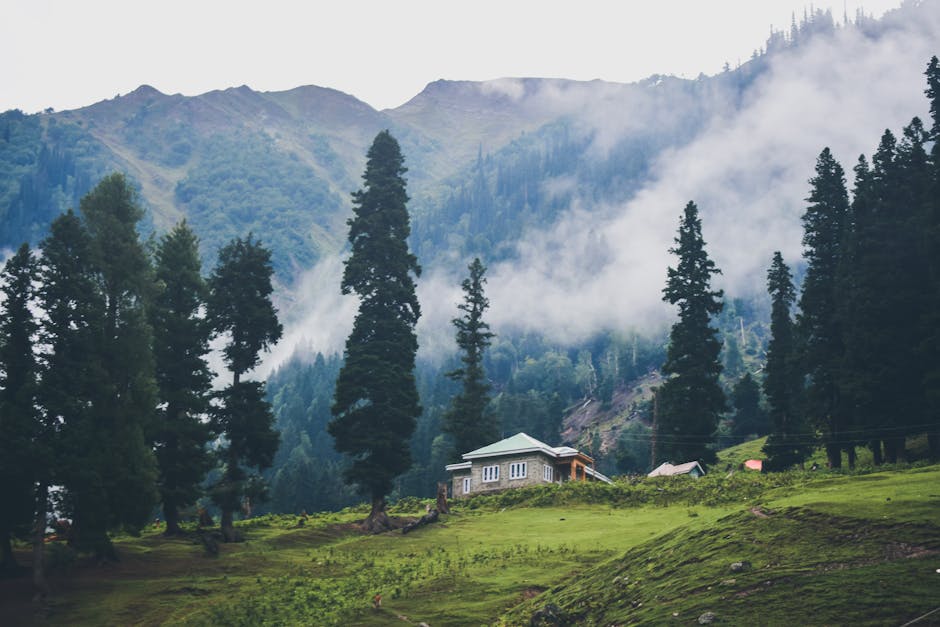
The Sahara occupies over 80% of Algeria’s landmass, and its climate is unforgiving. If your itinerary includes Djanet, Tamanrasset, or the Tassili n’Ajjer National Park, your travel window is much narrower than the coastal regions. The only viable time to visit the deep south is from October to March. During this period, the days are sunny and clear, with temperatures ranging from 20°C to 28°C (68°F to 82°F). This is the prime season for multi-day 4×4 expeditions or camel treks through the Hoggar Mountains, where the ancient volcanic peaks provide a dramatic backdrop to the desert silence.
Winter in the desert (December and January) brings a sharp contrast between day and night. While daytime hiking is pleasant, the nights are brutally cold. It is not uncommon for temperatures in the high-altitude regions near Tamanrasset to drop below 0°C (32°F). Travelers during these months must pack high-quality thermal layers and a sleeping bag rated for sub-zero temperatures if camping. The lack of light pollution in the Sahara means the stars are unparalleled, but you will need to be properly insulated to enjoy them. Furthermore, the “Assekrem” sunrise near Tamanrasset is widely considered one of the most beautiful in the world, but reaching the hermitage site at dawn in January requires significant cold-weather preparation.
Avoid the Sahara entirely between May and September. Temperatures regularly exceed 50°C (122°F). Most reputable tour operators cease operations during this time because the risk of heatstroke and vehicle failure is too high. Even the most robust 4×4 vehicles struggle with engine cooling in these extremes.
If you aim to witness the S’beiba Festival in Djanet, you must track the Islamic lunar calendar, as the dates shift every year. This Tuareg festival is a sensory explosion of traditional dance and sword fighting, commemorating an ancient peace treaty. It often requires booking guides and domestic flights via Air Algérie months in advance. Air Algérie remains the primary carrier for southern routes; while they offer a vast network, they are frequently criticized for delays and a rigid booking system that can be difficult to navigate from outside the country. Ensure you have a buffer day in your itinerary when flying back from the south to Algiers to account for potential schedule changes.
The Atlas Mountains and High Plateaus: Winter Snow and Summer Heat
Between the fertile coast and the vast desert lies the Atlas Mountain range and the High Plateaus. This region, home to cities like Sétif and the Roman ruins of Timgad and Djemila, experiences much more continental weather than the coast. Winters here are surprisingly harsh, with the Tell Atlas acting as a barrier for cold air moving south from the Mediterranean. Snow is common in the Djurdjura Mountains of Kabylie, and the High Plateaus can be bitterly cold and windswept from December through February. During this time, many mountain passes can become blocked, making travel between northern cities and the desert fringe unpredictable.
For visiting the Roman sites of Timgad or Djemila, the best time is late spring (May) or early autumn (September). Timgad, located on a high plateau, has very little shade. Visiting in July is an exercise in endurance as the sun reflects off the ancient stones, often causing surface temperatures on the ruins to climb significantly higher than the ambient air temperature. Conversely, a winter visit might see these UNESCO World Heritage sites covered in a thin layer of snow—a beautiful sight, but one that makes the uneven stone paths treacherous and the biting wind uncomfortable for long periods of exploration. Djemila, nestled in a more mountainous setting, is particularly beautiful in the spring when the surrounding valleys are vibrant green.
Regional Suitability Table
| Region | Best Months | Avoid | Reasoning |
|---|---|---|---|
| Tell Atlas (North) | April – June | August | Spring greenery vs. summer humidity and Sirocco winds. |
| High Plateaus | May, Sept – Oct | Jan – Feb | Avoids both the deep freeze and the summer bake on Roman sites. |
| Sahara (South) | Nov – Feb | June – Aug | Survival. Summer heat is life-threatening for humans and vehicles. |
| Kabylie Mountains | May – Sept | Dec – March | Mountain hiking is best when the snow has cleared. |
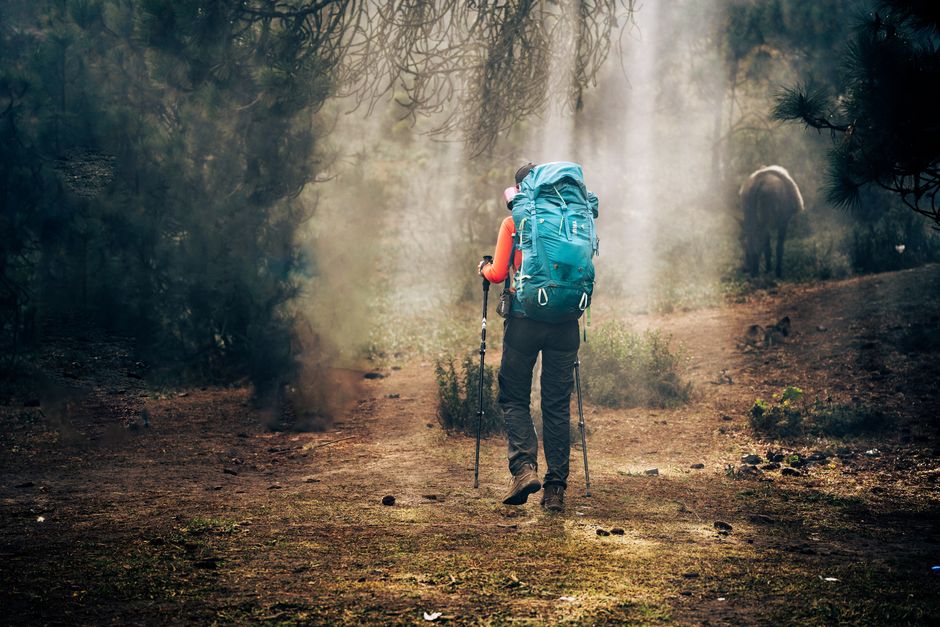
The transition months of March and October are particularly interesting in the mountains. You might experience four seasons in a single day. A morning could start with frost on the ground, followed by a warm, sun-drenched afternoon, and end with a heavy mountain thunderstorm. If you are hiking in the Kabylie region, waterproof boots with high ankle support are a necessity during these shoulder months, as the trails can become slick with mud and runoff. The local Berber culture in these mountains is welcoming, but travel can be slower during the harvest seasons when local roads are filled with agricultural activity.
Cultural Timing: Festivals, Ramadan, and Public Holidays
Weather is not the only factor that should dictate your timing. Algeria is a deeply traditional Muslim country, and the holy month of Ramadan significantly impacts the travel experience. During Ramadan, most restaurants and cafes are closed during daylight hours. While major hotels in Algiers will still serve food to foreigners, the general pace of life slows down significantly. Business hours are shortened, and the energy of the cities shifts to the late night, after the Iftar meal. For a first-time visitor, traveling during Ramadan can be challenging due to the lack of lunch options and the potential irritability of locals who are fasting in the heat.
However, if you are interested in the spiritual and communal aspects of Algerian culture, the evenings are vibrant, with streets coming alive until the early hours of the morning. If you choose this time, try to avoid the peak of summer, as fasting during 15-hour days in 35-degree heat is taxing for the local population and can lead to a more subdued atmosphere. Additionally, the festival of Eid al-Fitr, marking the end of Ramadan, and Eid al-Adha are major family holidays. During these times, public transport is often fully booked, and many shops close for several days as people return to their ancestral villages.
Other significant dates include:
- Independence Day (July 5th): Expect large parades and military displays in Algiers, but also significant crowds and closed government offices.
- Revolution Day (November 1st): A major national holiday with various cultural events and historical reenactments.
- International Festival of Timgad: Usually held in July. While the weather is hot, the festival brings world-class music to the ancient Roman amphitheater. If you attend, stay in nearby Batna and arrange private transport, as local options are overwhelmed.
- The Ghardaïa Date Festival: Held in the M’zab Valley in late spring, celebrating the region’s primary agricultural export with music and traditional races.
The M’zab Valley (Ghardaïa) is another destination where timing is critical. This pentapolis of five walled cities is best visited in the winter. The architecture is designed to trap heat in the winter and stay cool in the summer, but the labyrinthine streets are most pleasant when the Saharan sun is at its lowest. Note that Ghardaïa has strict local customs regarding photography and dress code, which are more easily navigated when you aren’t struggling with extreme heat. The valley is a masterpiece of 11th-century urban planning, and visiting during the cooler months allows you to appreciate the intricate irrigation systems that have sustained the oasis for a millennium.
Essential Gear for Algerian Microclimates
Because Algeria requires preparing for both Mediterranean humidity and Saharan cold, your gear choices are paramount. Investing in versatile, high-performance equipment can make the difference between a comfortable trek and a miserable experience in the elements.
The North Face Summit Series Breithorn Jacket
This is a frequent choice for those venturing into the Sahara during the winter months. It provides the necessary insulation for those nights when the desert temperature drops toward the freezing point.
- Approximate Price: $280
- Specifications: 800-fill ProDown insulation, 20D recycled nylon ripstop shell, non-PFC durable water-repellent (DWR) finish.
- Pros: Excellent warmth-to-weight ratio; highly compressible for packing in small 4×4 cabins; down remains lofty even when exposed to some moisture.
- Cons: High price point; the lightweight shell can be susceptible to tears if caught on sharp desert flora or rocks; down insulation loses effectiveness if it becomes completely saturated.
Lowa Renegade GTX Mid Hiking Boots
For navigating the uneven stone paths of Roman ruins like Timgad or the muddy trails of the Atlas Mountains in the spring, a robust pair of boots is non-negotiable.
- Approximate Price: $250
- Specifications: Nubuck leather upper, Gore-Tex waterproof lining, Vibram Evo outsole, Monowrap frame construction.
- Pros: Exceptional ankle support for rocky terrain; Gore-Tex lining keeps feet dry during mountain rain; requires minimal break-in time compared to traditional leather boots.
- Cons: Can feel overly warm in the high heat of the Sahara; heavier than modern trail runners; the leather requires occasional maintenance with waterproofing cream to maintain longevity.
Common Mistakes When Timing an Algerian Journey
One of the most frequent errors travelers make is underestimating the time required for the visa process. Algeria has one of the most rigorous visa applications in the world. You should begin the process at least eight weeks before your intended travel date. If you plan to visit in the peak spring season, the consulates in London, Paris, and Washington D.C. often experience backlogs, which can push your departure date back and force you into a hotter month than you planned.
Another mistake is failing to account for the “Friday-Saturday” weekend. In Algeria, Friday is a holy day, and almost everything—including museums, many shops, and some transport services—closes or operates on a very limited schedule. If you only have a few days in Algiers, arriving on a Thursday night may mean you lose a full day of