There is a specific version of a Kashmir honeymoon — houseboat at sunrise, shikara cutting across still water, snow-capped peaks behind pine trees — and it is genuinely available. Getting there requires making four or five concrete decisions that most destination guides either skip entirely or answer with a useless it-depends. Below is a zone-by-zone breakdown, verified hotel names with current price ranges, a full budget table, and the three mistakes that derail honeymoons before the first week ends.
Why Kashmir Actually Works as a Honeymoon Destination
The Geography That Makes It Structurally Unique
Dal Lake sits at 1,585 meters — high enough to feel cool through June, low enough that altitude sickness is not the concern it becomes above 3,500 meters in Ladakh or upper Himachal Pradesh. The lake is 18 square kilometers of houseboats, floating vegetable gardens, and shikara water taxis that have no real equivalent elsewhere in South Asia at this scale.
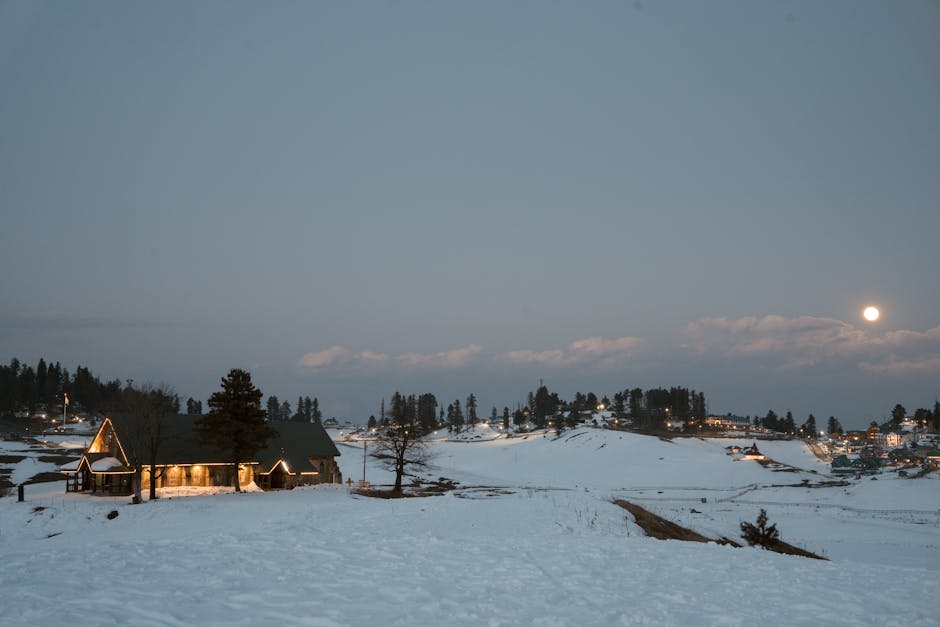
Gulmarg, 56 kilometers west of Srinagar, sits at 2,690 meters and runs the Gulmarg Gondola — Asia’s second-highest operating cable car, reaching 3,980 meters at the Apharwat peak station. In winter it’s an active ski area. From May through October it opens into alpine meadows ringed by 4,000-meter Himalayan peaks. Pahalgam, 96 kilometers southeast, sits at 2,740 meters where the Lidder River cuts through dense pine forest. These are three genuinely different landscapes within 100 kilometers of each other — a combination that no other honeymoon destination in India replicates.
How Kashmir Compares Against Manali and Shimla
Manali has Solang Valley and Rohtang Pass — both beautiful, both extremely crowded in summer. The road from Delhi is 14 to 16 hours by car or overnight bus, and Rohtang Pass at 3,978 meters causes real altitude symptoms for couples arriving from sea level without adjustment time. Shimla is a colonial hill station: pleasant, architecturally interesting, and completely unlike a mountain honeymoon in any visual sense.
Neither offers a Dal Lake equivalent. Neither has a gondola operating year-round to high-alpine terrain. For couples who want the houseboat-and-mountain combination that generates the photos Kashmir is known for, there is no structural substitute in India. If the budget is the primary constraint and the visual specifically doesn’t matter, Manali is the easier logistical choice. Kashmir is for when the specific experience is the point.
The Realistic Safety Assessment
Tourist zones in Srinagar, Gulmarg, and Pahalgam have operated without significant incident for visitors since the early 2010s. The houseboat industry alone employs several thousand families whose livelihoods depend on tourism remaining active. Check the Ministry of External Affairs travel advisory for your nationality before booking, and register with local police on arrival as required — this takes roughly 20 minutes and removes the only procedural variable worth planning around. Travel insurance with political disruption coverage adds approximately $40 to $80 to a week-long international policy depending on carrier and coverage tier. That addition is worth making regardless of current conditions.
Dal Lake, Gulmarg, Pahalgam, Sonamarg: What Each Zone Offers

Splitting time between two zones is the standard approach — typically Dal Lake anchored with one mountain destination. Here is how the four main zones compare on the variables that matter for honeymoon planning:
| Zone | Best For | Peak Season | Accommodation Per Night (couple) | Distance from Srinagar Airport |
|---|---|---|---|---|
| Dal Lake, Srinagar | Houseboats, shikara rides, Mughal gardens, city culture | March – November | ₹4,000 – ₹25,000 | 15 km |
| Gulmarg | Gondola, alpine meadows (Apr–Oct), skiing and snow (Dec–Mar) | May–Oct for meadows; Dec–Feb for snow | ₹7,000 – ₹38,000 | 56 km (1.5–2 hr drive) |
| Pahalgam | Betaab Valley, Aru Valley, Baisaran meadows, riverside walks | April – October | ₹3,500 – ₹16,000 | 96 km (2.5–3 hr drive) |
| Sonamarg | Thajiwas Glacier, dramatic mountain scenery, day trips | May – September | ₹3,000 – ₹10,000 | 87 km (2.5 hr drive) |
Sonamarg is the outlier worth flagging. It photographs well but functions better as a day trip from Srinagar than an overnight destination — accommodation options are limited, and access to the Thajiwas Glacier requires horse or pony transport since the area restricts private vehicles. Three nights at Dal Lake plus two nights in Gulmarg or Pahalgam is the configuration most honeymooners find satisfying without feeling rushed. Four zones in seven days produces four mediocre experiences instead of two good ones — the drives are scenic but cumulative travel fatigue is a real variable in a first week of marriage.
When to Visit Kashmir for a Honeymoon
Is spring (March through May) as good as it looks in photos?
April and early May are the strongest overall window. Dal Lake runs 12 to 20°C in Srinagar, the Mughal gardens at Nishat Bagh and Shalimar Bagh are in bloom, and chinar trees are leafing out around the lake. Gulmarg still holds snow in March and April, so the gondola upper station is accessible and the meadows carry a winter-into-spring transition that photographs distinctively. If you want snow in the mountains and bloom at the lake simultaneously, this is the only window where both conditions exist at once. Book at minimum six weeks ahead for Dal Lake houseboats during April — it is the most sought-after travel window and fills early.
What about the summer window from June through August?
Summer works, but it comes with trade-offs worth understanding before you commit. Srinagar temperatures climb to 30 to 33°C in July and August, which undercuts the cool-mountain-escape appeal at lake level. The mountain zones stay comfortable — Gulmarg holds at 15 to 22°C, Pahalgam at 18 to 25°C. Accommodation prices spike 20 to 40% over shoulder rates in this window, and popular Dal Lake properties book out 8 to 10 weeks ahead. If summer is the only viable timing, base primarily in Gulmarg or Pahalgam and treat Srinagar as a two-night stop rather than a three-night anchor.
Does a winter Kashmir honeymoon make sense?
Only if you specifically want snow. December through February in Srinagar means 2 to 7°C daytime, below zero at night. The Srinagar-Jammu national highway closes during heavy snowfall — sometimes for 48 to 72 hours — which is a genuine disruption risk if your departure date is fixed. Gulmarg in January is a different calculation entirely: 2 to 3 meters of snow on the ground, the gondola running weather-permitting, and almost no tourist crowds. If that is the experience you are planning for, Gulmarg in winter delivers it. Go expecting reduced restaurant hours, limited options outside the resort, and the possibility of a weather day with no access to the gondola. It is not a hardship — it is just a different kind of trip than the spring or summer version.
Kashmir Honeymoon Hotels: Real Picks with Real Prices
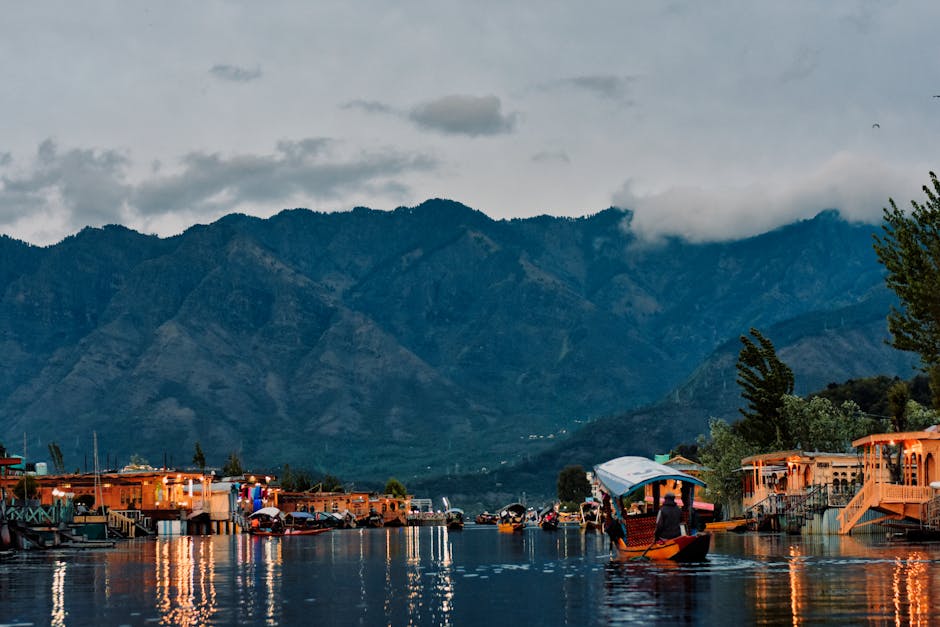
The Lalit Grand Palace Srinagar is the clearest luxury call on Dal Lake. Built in 1910 as the Maharaja of Kashmir’s palace, it sits on 25 acres overlooking the lake with rooms starting at ₹18,000 to ₹28,000 per night in peak season. One premium night here, positioned as the check-in night after arrival, delivers the visual payoff that other properties charge for without fully providing. The heritage architecture and lakeside setting are the ones that end up in wedding albums.
For houseboat stays specifically, WelcomHeritage Gurkha Houseboats is the most consistent mid-to-premium option on Dal Lake, running ₹10,000 to ₹16,000 per night. Houseboat quality varies dramatically by operator — carved walnut interiors photograph nearly identically regardless of structural condition, plumbing, or heating quality. Book only through operators with reviews from within the last 12 months on a major booking platform, or through J&K Tourism’s registered operator list. The price gap between a verified property and an unverified local agent is not worth the risk.
In Gulmarg, the Khyber Himalayan Resort and Spa at ₹22,000 to ₹38,000 per night is the premium standard — it earns the price in winter specifically, when heating infrastructure and kitchen quality separate it clearly from alternatives. For mid-range, Hotel Highlands Park at ₹8,000 to ₹13,000 per night has operated for decades with reliable service and consistent room quality. Skip budget guesthouses in Gulmarg town — heating consistency above a certain elevation varies, and this matters more than price when you are at 2,690 meters in October or November.
In Pahalgam, the government-run Pahalgam Hotel managed by J&K Tourism (₹5,500 to ₹9,000 per night) sits directly on the Lidder River — river-view rooms are worth requesting specifically at booking. The Heevan Retreat Pahalgam at ₹9,000 to ₹16,000 per night is the private sector alternative with better in-room amenities and a layout that suits honeymooners more than the government property’s corridor-style structure.
Kashmir Honeymoon Budget: What Two People Actually Spend
Figures below reflect a 7-night trip for two people in shoulder season — April or September. Peak summer adds 25 to 35% to accommodation rates; winter travel to Gulmarg specifically pushes premium properties 40 to 50% above these ranges. Flight prices vary significantly by origin city and how far in advance you book.
| Expense | Budget (₹ per couple) | Mid-Range (₹ per couple) | Premium (₹ per couple) |
|---|---|---|---|
| Round-trip flights, Delhi to Srinagar, 2 tickets | ₹12,000 – ₹18,000 | ₹20,000 – ₹30,000 | ₹32,000+ |
| Accommodation, 7 nights | ₹28,000 – ₹42,000 | ₹55,000 – ₹85,000 | ₹1,25,000 – ₹2,00,000 |
| Gulmarg Gondola (Phase 1 + Phase 2, both return) | ₹3,800 (fixed rate) | ₹3,800 | ₹3,800 |
| Shikara rides on Dal Lake | ₹1,500 – ₹2,500 | ₹3,000 – ₹5,000 | ₹6,000 – ₹10,000 |
| Private cab or driver, 7 days | ₹9,000 – ₹13,000 | ₹14,000 – ₹20,000 | ₹22,000 – ₹32,000 |
| Food and meals, 7 days | ₹8,000 – ₹12,000 | ₹16,000 – ₹26,000 | ₹32,000 – ₹55,000 |
| 7-night total estimate | ₹62,000 – ₹92,000 | ₹1,11,800 – ₹1,69,800 | ₹2,20,800 – ₹3,00,800 |
The gondola ticket is a fixed government rate: ₹950 per person for Phase 1 (base station to Kongdoori at 2,650 meters) and ₹950 per person for Phase 2 (Kongdoori to Apharwat peak at 3,980 meters), with return included in both phases. That is ₹3,800 total for two people covering the complete experience. Budget this amount regardless of accommodation tier — it does not negotiate.
Three Mistakes That Derail a Kashmir Honeymoon
Booking a houseboat based on photos rather than verified current reviews. Houseboat interiors photograph nearly identically — carved walnut woodwork, patterned rugs, warm lighting — regardless of whether the plumbing works, the heating holds through the night, or the hull has been maintained in the last two seasons. Only book through properties with reviews dated within the last 12 months on a major booking platform, or through J&K Tourism’s registered operator list. The difference between a verified property and an unverified one is not a price difference. It is an experience difference.
Trying to cover all four zones in seven days. Srinagar to Gulmarg is 56 kilometers but takes 1.5 to 2 hours on a winding mountain road. Srinagar to Pahalgam is 96 kilometers and 2.5 to 3 hours. Four zones in seven days means four check-ins, four check-outs, and roughly 10 to 12 hours in a car over the course of a week. Two zones done properly — three nights and two nights — produce better outcomes than four zones covered at a pace that reduces each one to a photo stop.
Skipping the altitude adjustment sequence. Gulmarg and Pahalgam both sit above 2,700 meters. Couples arriving directly from sea-level cities — Mumbai, Chennai, Bangalore — sometimes experience fatigue, disrupted sleep, and low-grade headaches in the first 24 hours at that elevation. Arriving at Dal Lake at 1,585 meters first for two to three nights before ascending to the mountain zones is a sensible sequence that most standard itineraries already follow by default, and it works for this exact reason.