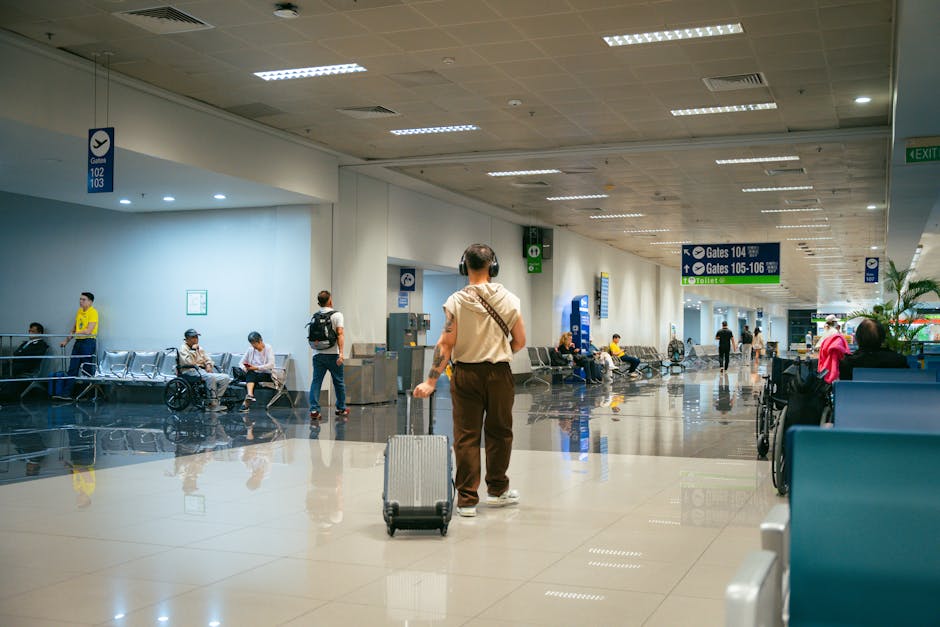
Volaris prices look attractive until you arrive at the gate with the wrong bag. The airline structures its fares to strip everything from the base price — and carry-on access is one of the first things removed. Understanding what your fare actually includes before you pack is what separates a smooth boarding from a $50 surprise at the counter.
How Volaris Fare Tiers Decide What You Can Bring Aboard
Volaris is Mexico’s largest ultra-low-cost carrier, operating domestic routes alongside flights to the US, Costa Rica, and Colombia. Like Spirit or Wizz Air, it prices the seat separately from everything else. Bags are an add-on, not an assumption.
Three fare structures cover most bookings:
| Fare Tier | Personal Item | Carry-On (Overhead) | Checked Bag | Carry-On Add-On (at booking) |
|---|---|---|---|---|
| Básico | Included (25 x 35 x 45 cm) | Not included | Not included | ~250–450 MXN ($12–22 USD) |
| Clásico | Included | Included (10 kg max) | Not included | Already bundled |
| Volaris+ | Included | Included (10 kg max) | Included (25 kg) | Already bundled |
The Básico fare is the default lowest price shown on Google Flights, Kayak, and Volaris’s own booking page. It covers the seat plus one under-seat personal item. Nothing else. A roller bag going in the overhead bin is a paid add-on. Gate-pricing for carry-on access starts at 600–1,200 MXN ($30–60 USD) per segment — significantly more than the online pre-purchase rate.
What Qualifies as a Personal Item on Volaris
The personal item must fit under the seat in front of you. Volaris’s stated dimensions are 25 x 35 x 45 cm (approximately 10 x 14 x 18 inches). A small daypack, laptop bag, or compact structured tote fits this category. A 28L backpack, an overstuffed large purse, or a soft duffel that needs overhead space does not.
Agents assess personal items based on whether the bag can realistically sit under the seat without blocking foot space. Don’t test this boundary with a bag that’s technically compressible but practically oversized.
Adding Carry-On Access After You’ve Already Booked
Carry-on access can be purchased through the Volaris app or website after booking, up until online check-in closes. Post-booking pricing is higher than at-booking pricing but still lower than the airport-counter rate. If you realize after completing your purchase that you need overhead bin access, add it online immediately — prices increase incrementally as the departure date approaches. This is not a Volaris quirk; it is the model every ULCC runs, and prices are not negotiable at the counter.
Why the Depth Measurement Is What Actually Catches Travelers Off Guard
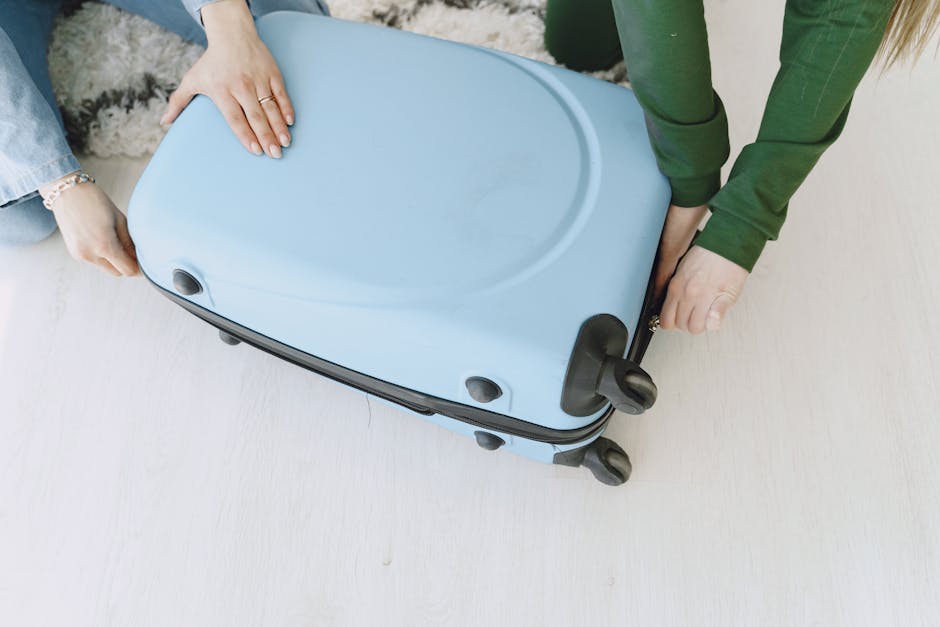
Volaris’s carry-on limit is 55 x 40 x 25 cm — length, width, and depth. Most travelers check the length first. The 25 cm depth is where real compliance problems happen, and most discussions about airline bag limits skip right past it.
Standard US-market carry-on bags are built around approximately 22 x 14 x 9 inches (56 x 35.6 x 22.9 cm). The 56 cm length is 1 cm over Volaris’s published maximum. One centimeter of overage rarely triggers enforcement on its own. A bag that won’t physically compress into the sizer box will.
Gate sizers are rigid metal frames. A bag measuring 55 cm on a flat surface at home may measure 57 cm once the handle housing and wheel housing add real-world height. A bag reading 24 cm in depth on the manufacturer’s spec sheet may measure 26–27 cm once it is packed tightly and the zipper is under tension. These gaps between specification and reality are what enforcement catches — not the nominal numbers printed on the airline’s website.
Expandable Compartments Are the Hidden Trap
Most soft-side roller bags and many hard-side spinners include an expansion zipper that adds 1–2 inches of depth when opened. The Travelpro Maxlite 5 21″ measures 53 x 37 x 22 cm closed — cleanly within Volaris’s limit. Fully expanded, depth increases by approximately 5 cm to 27 cm, putting the bag over the 25 cm limit.
Pack with the expansion zipper closed. Use compression packing cubes to maximize volume within the closed profile. The Maxlite 5 holds approximately 37 liters closed, which covers 4 to 5 days of travel if you are not bringing extra shoes or bulky items.
The 10 kg Weight Limit Is Tighter Than It Sounds
Ten kilograms is 22 pounds. Here’s how a standard 4-day trip actually breaks down:
| Item | Typical Weight |
|---|---|
| Hard-side carry-on (Samsonite Freeform 20″) | 3.4 kg |
| Laptop + power adapter | 2.2 kg |
| Extra pair of shoes | 1.0 kg |
| Clothing for 4 days | 2.0 kg |
| Toiletries + liquids bag | 0.8 kg |
| Total | 9.4 kg |
That’s a lean pack leaving only 600 grams of cushion — and it assumes you’re not bringing a bulky jacket or any gear. The Samsonite Freeform 20″ weighs 3.4 kg empty, consuming a third of your weight budget before a single item goes inside. The Travelpro Maxlite 5 at 2.3 kg empty gives you 7.7 kg of usable packing capacity. On a 10 kg limit, that 1.1 kg difference is meaningful.
How Enforcement Varies by Route and Airport
Enforcement is real but inconsistent. At Mexico City’s AICM Terminal 2 — the main Volaris hub — gate agents on full flights during Semana Santa, Christmas, and high-demand US-Mexico routes regularly use sizer boxes and conduct spot weight checks. At smaller regional airports on lightly loaded departures, bags frequently board without any measurement at all.
Do not plan around light enforcement. Full holiday-period flights to Cancún, Los Cabos, or Los Angeles will be checked. A domestic Tuesday morning departure from Culiacán probably will not. If you’re flying a borderline bag on a route that is routinely oversold during peak season, treat the limit as firm.
Four Ways Volaris Passengers Pay More Than the Ticket Price
- Booking Básico and assuming carry-on is included. This is the most frequent and expensive error. Básico is the default cheapest option on every price comparison platform. Read the fare conditions on the booking screen — not after printing the boarding pass.
- Adding carry-on access at the airport counter instead of online. Online pre-purchase pricing runs $12–22 USD per segment. Airport counter pricing starts at $30 and reaches $60+ on high-demand routes. On a round trip, that gap can exceed $80 USD. The online rate remains available until check-in closes — use it.
- Packing an expandable bag to its expanded capacity. The sizer box does not care how your bag is labeled or what the spec sheet says. A bag stuffed to its expanded dimension will fail the rigid sizer even if the nominal closed measurements show compliance. Keep expansion zippers closed and pack within the closed volume.
- Bringing two bags when you only paid for one. On Básico, you have one allowance: the under-seat personal item. Arriving with both a personal item and a carry-on when you only purchased the personal item allowance means the overhead bag gets charged at gate prices. Agents know the difference between a daypack and a roller bag. Arguing that the roller is “small enough” does not work.
Carry-On Bags Sized to Clear Volaris Limits Without Relying on Luck
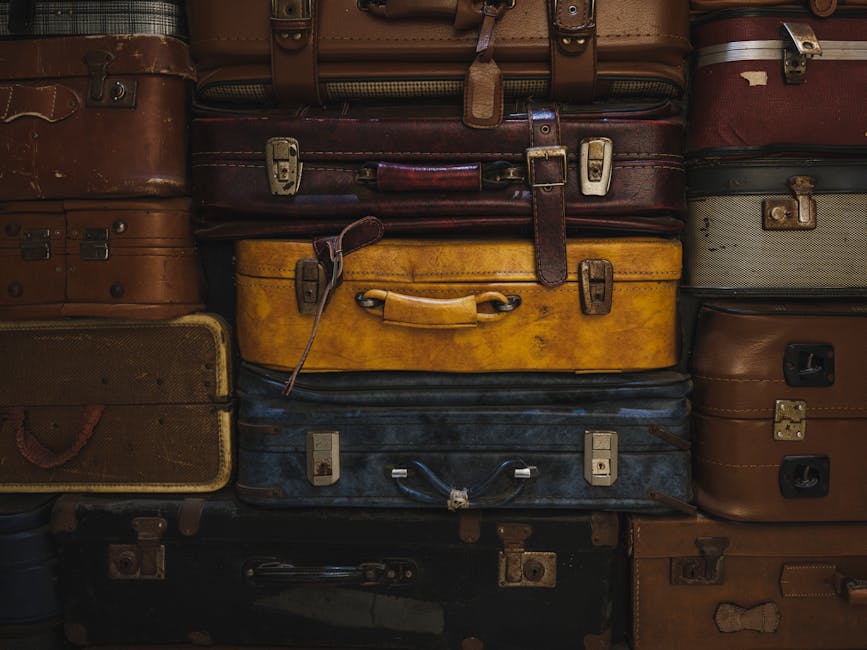
The safest bags for Volaris are ones that measure comfortably below 55 x 40 x 25 cm without requiring enforcement leniency. A bag that only fits under perfect conditions is a liability on a full flight.
Hard-Side Options
Hard-side bags don’t expand when packed heavily — which is exactly what compliance on Volaris needs. The American Tourister Moonlight 20″ measures 51 x 36 x 22 cm and weighs 2.8 kg empty. At $70–$100 USD, it is the budget pick that clears Volaris’s limit with genuine margin. The polycarbonate shell holds its shape under load, meaning it passes the sizer even when filled to capacity.
The Delsey Paris Chatelet Air 2.0 21″ at 54 x 35 x 22 cm is the step-up option. Better build quality, a bi-fold opening that improves packing efficiency, and a slightly lighter 3.0 kg empty weight. It costs $180–$220 USD. For travelers flying three or more times a year, the Delsey earns its price. For occasional travel, the American Tourister does the same job at half the cost.
Soft-Side and Lightweight Options
The Travelpro Maxlite 5 21″ Spinner is the clearest recommendation for anyone flying Volaris regularly. At 2.3 kg empty and 53 x 37 x 22 cm closed, it maximizes packing capacity within the weight limit while sitting well inside Volaris’s dimensional requirements. Travelpro engineers bags for commercial flight crews — compliance is a design requirement, not something managed around. It costs $110–$140 USD and is worth the investment if you fly more than twice a year.
The Cabin Zero Classic 36L at 45 x 30 x 20 cm and 0.9 kg empty is the right pick for light packers and fast movers. No wheels, no frame, no rigid structure — it compresses into overhead bins and under seats without resistance. For a 2–3 day trip or a weekend where you’re checking in and out of hotels quickly, it outperforms any roller bag in speed and simplicity. At $70–$90 USD, it also leaves budget for the Clásico fare upgrade.
| Bag | Dimensions (closed) | Empty Weight | Volume | Price |
|---|---|---|---|---|
| Travelpro Maxlite 5 21″ | 53 x 37 x 22 cm | 2.3 kg | 37L | $110–$140 |
| American Tourister Moonlight 20″ | 51 x 36 x 22 cm | 2.8 kg | 33L | $70–$100 |
| Delsey Paris Chatelet Air 2.0 | 54 x 35 x 22 cm | 3.0 kg | 36L | $180–$220 |
| Cabin Zero Classic 36L | 45 x 30 x 20 cm | 0.9 kg | 36L | $70–$90 |
When Checking a Bag Actually Costs Less Than Carrying One On
For trips longer than five days, or any itinerary requiring dress clothes, specific footwear, or gear, pre-purchasing a checked bag at $30–45 USD often makes more financial sense than engineering a 10 kg carry-on. On some routes, the Volaris+ bundle upgrade costs less than buying carry-on and checked bag access separately — and it includes a 25 kg checked allowance. Run the actual numbers on your route before defaulting to carry-on-only as the cheaper assumption.
Answers to the Volaris Baggage Questions That Come Up Most

Can I use a backpack as my carry-on on Volaris?
Yes, provided it fits within 55 x 40 x 25 cm and stays under 10 kg. The Tortuga Setout 35L, designed specifically as a carry-on compliant travel backpack, measures approximately 55 x 35 x 20 cm — it clears Volaris’s limits. Most 40L+ hiking packs will exceed 55 cm in height. Measure your specific model before the airport, since backpack dimensions vary meaningfully between versions and production years.
Does Volaris actually weigh carry-on bags?
Yes, sometimes. Weight checks happen most consistently at check-in counters, less often at gates. On full flights during peak travel periods, more rigorous enforcement follows. A bag at 9.8 kg will generally clear. A bag at 12 kg will not, and the overweight fee is non-negotiable once an agent flags it. Do not pack to 10.5 kg and assume you’ll pass.
What if my bag is just one centimeter over the published limit?
The sizer box is the final authority. One centimeter of overage on a paper measurement is irrelevant if the bag slides cleanly into the rigid frame at the gate. If it doesn’t fit the box, agents will charge for a checked bag regardless of what your tape measure read at home. The gap between specification and physical compliance is where most enforcement disputes happen — and agents do not resolve those disputes in favor of the passenger.
Is enforcement stricter on international Volaris routes?
Yes, in practice. The published policy is identical across domestic and international routes: 55 x 40 x 25 cm, 10 kg. But US-Mexico routes involving TSA screening see more consistent bag checks, and flights to tourist destinations during US holiday periods — spring break, Memorial Day, Thanksgiving — are the highest-enforcement scenarios Volaris operates. If you’re flying a borderline bag to Cancún in March, plan as if enforcement is guaranteed.
The lowest-friction combination for most Volaris travelers: book Clásico if you need overhead bin access, carry the Travelpro Maxlite 5 packed to 8.5 kg with the expansion zipper closed, and add nothing to the bag at the last minute. That setup removes every scenario where Volaris’s enforcement costs you anything beyond the fare you already paid.