Most first-timers think Patagonia is a summer destination. They show up in January expecting mild weather and get hit with 50 mph gusts, sideways rain, and a sunburn in the same hour. I’ve done the W Trek twice and spent three weeks around El Chaltén. The gear that works in the Rockies or the Alps fails here. Not because it’s bad gear, but because Patagonia has its own weather logic.
Which Route Actually Makes Sense for a First Multi-Day Hike
You have two realistic options: Torres del Paine in Chile or the trails around El Chaltén in Argentina. Both are spectacular. Only one is beginner-friendly for a multi-day trip.
Torres del Paine’s W Trek is the better first choice. Here’s why: the infrastructure exists. Refugios (mountain lodges) are spaced 4-6 hours apart, which means you can hike with a 25-30L daypack instead of carrying a tent, stove, and five days of food. You sleep in a bed, eat hot meals, and still get the full Patagonian experience. The O Circuit adds the backside of the massif but demands full camping gear and 8-10 days. Don’t do the O as your first Patagonia hike.
El Chaltén’s trails — Laguna de los Tres, Laguna Torre, Huemul Circuit — are stunning but mostly day hikes. The Huemul Circuit is the exception and it’s genuinely dangerous: river crossings, no marked trail, and a tyrolean traverse over a glacier-fed river. Skip it until you have real backcountry navigation experience.
W Trek Logistics You Need to Lock Down Early
Refugio beds sell out 6-8 months in advance for December-February. I booked in May for a January trip and got my third-choice dates. The refugios — Grey, Paine Grande, Los Cuernos, Chileno, Central — are run by two companies: Vertice and Las Torres. You can book independently through their websites, which is cheaper than going through a tour operator. A full W Trek with refugio beds and meals runs $1,200-$1,800 per person without flights. Booking through an agency adds 30-50% for the same beds.
If you want to camp, the paid campsites still require reservations. Free camping is not allowed inside the park. I’ll say this plainly: for a first multi-day hike, book the refugios. You’ll learn how your body handles Patagonian wind without also managing a tent in it.
| W Trek Segment | Distance | Typical Time | Difficulty | Key Note |
|---|---|---|---|---|
| Central to Chileno | 13 km | 5-6 hrs | Moderate | Steady climb, exposed to wind |
| Chileno to Base Torres viewpoint and back | 8 km round trip | 4-5 hrs | Hard | Loose rock final 45 min |
| Chileno to Los Cuernos | 16 km | 5-7 hrs | Moderate | Rolling terrain, lake views |
| Los Cuernos to Paine Grande via French Valley | 24 km | 8-10 hrs | Hard | Longest day, French Valley detour optional |
| Paine Grande to Grey Glacier | 11 km | 4-5 hrs | Moderate | Windy, glacier views at end |
The Non-Negotiable Gear List (What Actually Fails in Patagonia)
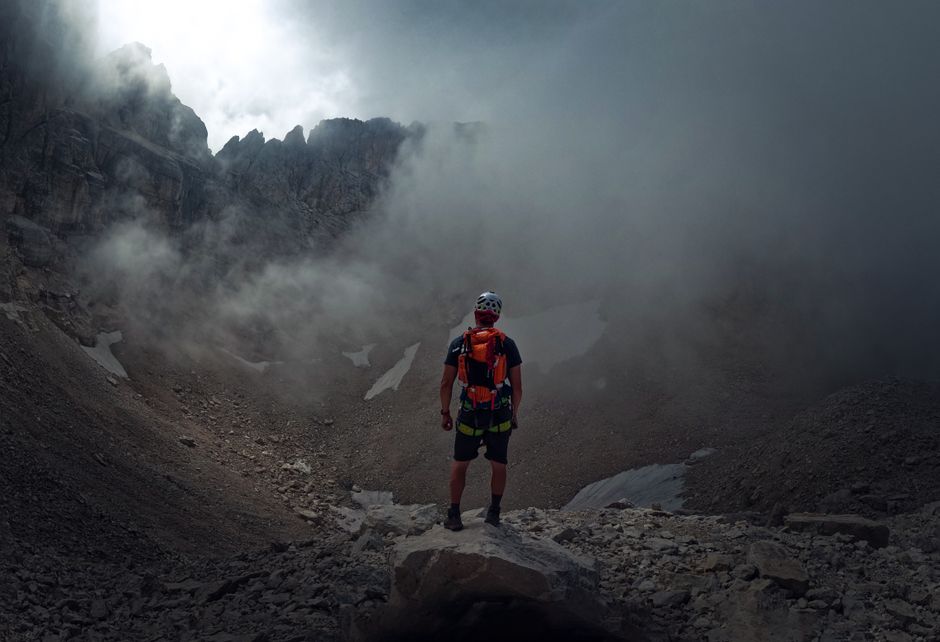
Forget the 50-item gear lists from outdoor blogs. Most of them are written by people who hiked Patagonia once in perfect weather. Here’s what actually matters and what doesn’t.
Rain Shell: Buy the Best One You Can Afford
This is the single most important piece of gear. Not your boots, not your backpack. Patagonian rain is horizontal. A $60 shell from a discount store will wet out in 30 minutes and you’ll be cold for the rest of the day. I use the Arc’teryx Beta AR ($600) and it’s never failed me. The Patagonia Torrentshell 3L ($179) is the best budget option — 3-layer construction at a two-layer price. Avoid 2-layer shells with mesh liners; they wet out fast and feel clammy.
Layers: Skip the Down Jacket as Your Main Insulation
Down loses all warmth when wet. Patagonia is wet. I bring a Patagonia Nano Puff ($199) or Arc’teryx Atom LT ($280) as my insulation layer. Synthetic insulation keeps warming when damp. If you want a down puffy for camp, fine, but it’s a luxury, not a necessity. A merino base layer — Icebreaker 200 Oasis ($80) — is worth every cent because it doesn’t stink after four days of sweat.
The Boot Question Nobody Answers Honestly
You don’t need mountaineering boots for the W Trek. You need waterproof hiking boots with ankle support. I wore Salomon Quest 4 GTX ($230) and they were perfect. Trail runners are a mistake here — you’ll cross streams, walk through mud, and want dry feet. The person I hiked with wore trail runners and spent every evening drying socks by the refugio fire. Waterproof boots with gaiters solve 90% of foot misery in Patagonia.
What I’d Leave at Home (and What I Regretted Bringing)
My first Patagonia trip, I brought a 65L pack stuffed with “just in case” items. I used maybe half of it. The second trip, I carried a Osprey Talon 33 ($180) and was happier.
- Leave the camp stove. Refugios have kitchens. If you’re camping, the paid campsites have cooking shelters. You don’t need your own stove on the W Trek.
- Skip the water filter. Stream water in Torres del Paine is generally safe to drink straight from the source. I carried a Katadyn BeFree ($45) and used it once. It’s dead weight on the W.
- Don’t bring cotton anything. Cotton kills in Patagonia. It holds moisture, dries slowly, and chafes. Merino or synthetic only.
- Leave the drone at home. Drones are banned in Torres del Paine and most of El Chaltén’s trails. Rangers will confiscate them.
- Skip the heavy guidebook. Download offline maps on AllTrails or Maps.me. The trails are well-marked.
The thing I regretted bringing? A camp chair. It weighed 2 lbs and I sat on rocks the entire time. Stupid purchase.
How Much Does This Actually Cost in 2026?
Patagonia is expensive. Not Switzerland expensive, but close. Here’s a realistic budget breakdown for a 5-day W Trek with refugio beds, excluding international flights.
| Expense | Budget Option | Comfort Option |
|---|---|---|
| Refugio beds (4 nights) | $320 (camping) | $800 (full bed + meals) |
| Park entrance fee | $35 (3+ days) | $35 |
| Transport from Puerto Natales | $30 (bus + shuttle) | $80 (private transfer) |
| Food and snacks | $100 (self-catered) | $300 (refugio meals) |
| Gear rental (if needed) | $150 (tent, sleeping bag) | $0 (own gear) |
| Total (not incl. flights) | $635 | $1,215 |
Flights to Punta Arenas or Puerto Natales from the US run $800-$1,400 round trip depending on season. Book 4-6 months out for the best prices. January and February are peak season and the most expensive. December and March are cheaper and still have decent weather.
Common First-Timer Mistakes That Ruin Trips
I’ve seen people have genuinely miserable Patagonia trips because of preventable errors. Here are the big ones.
Mistake 1: Underestimating the Wind
Patagonian wind regularly hits 50-70 mph. It will knock you off balance on exposed sections. Trekking poles are non-negotiable — I use Black Diamond Trail Ergo Cork ($130) and they’ve saved me from falls more times than I can count. Without poles on the John Gardner Pass or the Base Torres climb, you’re asking for trouble.
Mistake 2: Booking Refugios Last-Minute
I already said this, but it bears repeating: beds sell out. If you show up in Puerto Natales in January hoping to book the W Trek for the next day, you’ll be disappointed. Book at least 4 months ahead for peak season.
Mistake 3: Not Training for Downhill
Everyone trains uphill. Nobody trains for the descents. The downhill from Base Torres to Chileno wrecked my knees the first time. Do stair descents and eccentric leg work before you go. Your knees will thank you.
Mistake 4: Packing Too Much Fear Gear
Bear spray? Not needed — there are no bears in Patagonia. Water purification tablets? Not needed on the W. A satellite phone? The refugios have wifi. People pack for the apocalypse and end up carrying 15 lbs of useless stuff.
When to Go and What Weather to Expect
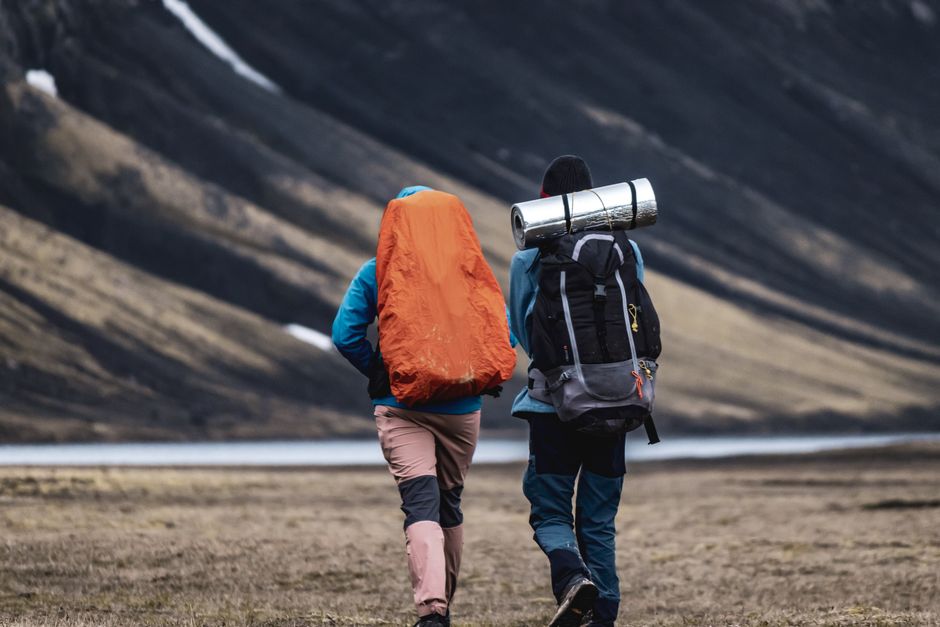
The Patagonian summer (December-February) is the most reliable window. But “reliable” is relative. You can get four seasons in a single day. The key is being prepared for all of them without overpacking.
December is my pick. The days are longest (sunset after 10pm), the wildflowers are out, and the crowds are slightly smaller than January. January is peak season — everything is full and prices are highest. February is still good but can be windier. March is underrated: fall colors, fewer people, and the weather is often stable, though days are shorter.
Skip September-November and April-May. The shoulder seasons bring unpredictable snow, closed trails, and refugios that haven’t opened yet. I met a couple in November who hiked the W in knee-deep snow. They finished, but they didn’t enjoy it.
The Verdict: What I’d Tell a Friend Planning Their First Patagonia Hike
Here’s what I’d actually say over coffee, not in a blog post.
Do the W Trek in December. Book the refugios yourself through Vertice and Las Torres — skip the tour operator markup. Buy a proper 3-layer rain shell and waterproof boots. Bring trekking poles. Pack half of what you think you need. Train your knees for downhill. And accept now that the weather will do whatever it wants, and that’s part of why you’re going.
If you only remember one thing from this: your rain shell is the most important piece of gear you’ll pack. Spend the money there. Everything else is negotiable.