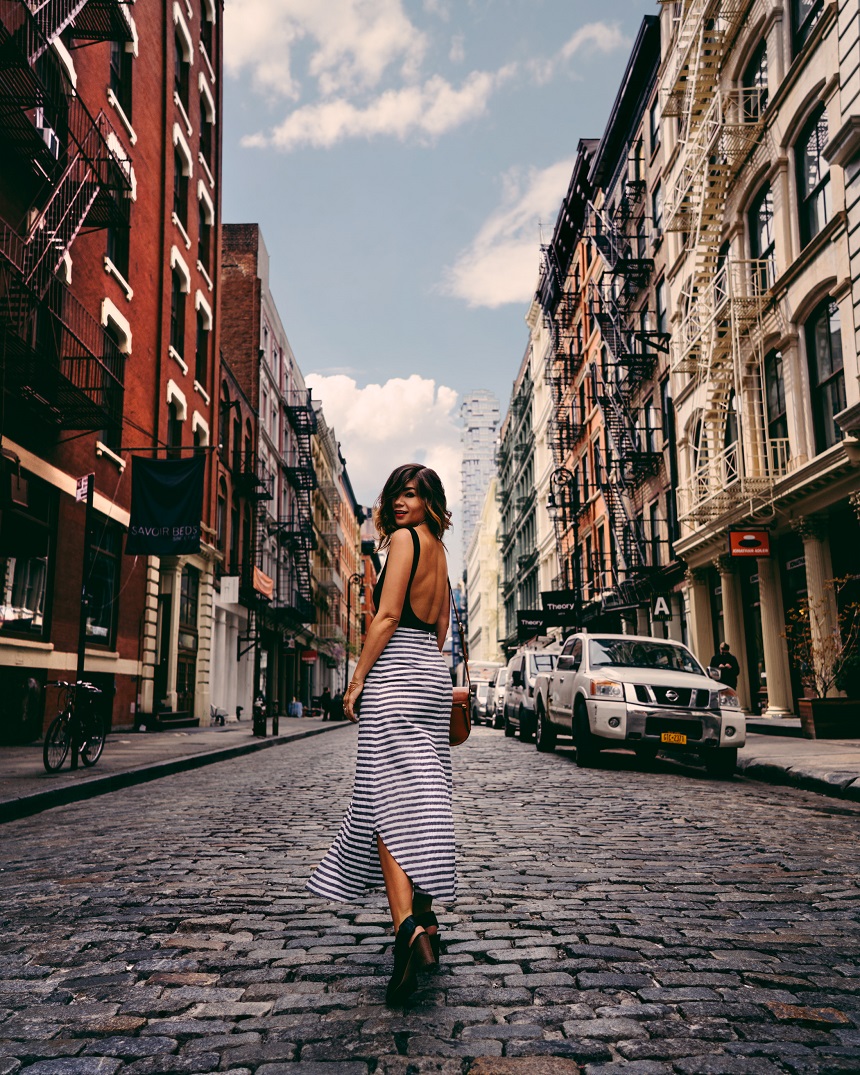
Did you know that despite its reputation for high fashion, the average New Yorker walks over 5 miles a day? That’s double the national average. Your spring style here isn’t just about looking good; it’s about surviving a marathon. I’ve lived through enough soggy subway commutes and unexpected spring blizzards to tell you: forget what you think you know about ‘spring fashion.’ This city demands practicality, durability, and a serious understanding of layering. You’re not dressing for a magazine spread; you’re dressing for a battle with concrete, crowds, and weather that changes its mind hourly.
Why Your “Cute” Spring Jacket Will Fail You
The typical “light spring jacket” is a trap. I fell for it more times than I care to admit. You think you need a denim jacket or a thin bomber, but NYC spring laughs in the face of your optimism. Mornings are often freezing, afternoons can hit 70 degrees, and then a sudden downpour hits. You need a system, not a single piece. Don’t buy that flimsy, unlined blazer. It won’t keep you warm, it won’t keep you dry, and it certainly won’t stand up to the wear and tear of daily city life. My rule: every outer layer must serve a distinct, functional purpose beyond just looking good.
The “Misty Morning, Sweaty Afternoon” Trap
You wake up, it’s 45 degrees and damp. You put on your cute blazer. By 1 PM, it’s 68 degrees and sunny, and you’re sweating through your shirt, carrying a jacket you no longer need. Then at 5 PM, a rogue gust of wind hits, or worse, a sudden sprinkle. The key is adaptability. A proper outer layer needs to block wind, shed water, and be easy to remove or carry. Anything less is a waste of money and closet space.
My Go-To Layering Essentials
This is where you invest. Start with a good base layer – think merino wool or a performance synthetic tee, not cotton. Then a mid-layer, like a light sweater or a sturdy button-down. Your outermost layer is the workhorse. Forget the “fashion” trench that soaks through. You need a technical trench or a solid packable rain jacket.
For consistent wind and light rain protection, the Uniqlo Blocktech Parka ($79.90) is an absolute steal. It’s lightweight, surprisingly breathable, and actually repels water. It packs down small enough to throw in your tote. I’ve owned three over the years. For something slightly more structured that still performs, the Everlane The Drape Trench ($148) is a decent option, but it’s more water-resistant than truly waterproof. Don’t rely on it for a thunderstorm.
Shells vs. Trench Coats: What to Buy
A true shell jacket (like the Blocktech) is your urban armor. It’s designed for adverse conditions. A classic trench coat can work, but it needs to be made of a quality, tightly woven cotton gabardine, or have a waterproof membrane. Many fast-fashion trenches are just for show and will leave you soaked. Prioritize function here. Always.
The Footwear Fails I’ve Lived Through
You’re going to walk. A lot. And NYC sidewalks are not pristine. They’re a minefield of puddles, grit, and subway grate steam. I’ve ruined countless pairs of shoes making these mistakes:
- Thinking your canvas sneakers are enough. They are not. One unexpected spring shower and your socks are soaked, leading to blistered, miserable feet. Canvas absorbs water like a sponge. Don’t bother.
- Wearing open-toed shoes before June. I know it’s tempting when the sun peeks out, but the street grime here is legendary. Not to mention, it can still drop to near-freezing temperatures in early April, and those grates blast cold air. Your toes will freeze, and then they’ll get dirty.
- Prioritizing thin soles for “flexibility.” You need cushioning. You need support. Every step is on hard concrete. Those cute ballet flats or thin-soled loafers? Your feet will ache after a few blocks. Trust me.
Why Sneakers Aren’t All Created Equal
Regular sneakers are fine for dry days, but for spring, you need an upgrade. Look for sneakers with a water-resistant or waterproof membrane. My current favorite for comfort and reasonable water resistance are On Cloud 5 Waterproof sneakers ($169.99). They’re pricey, but they actually keep your feet dry in light rain and offer excellent support for miles of walking. For a more casual, everyday option, Allbirds Tree Dashers ($135) are incredibly comfortable and breathable, but they will soak through in a downpour. Know their limits.
Waterproof Boots for Unexpected Deluges
A sturdy, waterproof boot is non-negotiable for spring. Especially in March and April. You’ll thank me when you’re stepping over a mini-river at a street corner. Blundstone Classic 550 Chelsea Boots ($209.95) are ugly to some, but they are indestructible, comfortable from day one, and truly waterproof. I wear mine constantly. They handle puddles, slush, and still look decent enough for most casual outings.
The Comfort vs. Style Myth
You can have both, but comfort comes first. No amount of style is worth limping home with blisters or freezing toes. Choose shoes that are broken in, provide arch support, and can handle at least a light drizzle.
Accessorizing for NYC’s Microclimates
Accessories in NYC aren’t just an afterthought for your outfit; they’re essential tools for navigating the city’s wildly unpredictable spring weather and varied environments. Think of them as extensions of your layering strategy. The temperature can swing 20 degrees between a sunny block and a shady cross street, or between a blast of subway platform wind and a stuffy, overheated train car. You need items that can be quickly added, removed, or adapted. This isn’t about accumulating more stuff; it’s about smart, functional choices that enhance both your look and your comfort. I’ve learned to rely on specific items that pull double duty.
The Convertible Scarf: Your Best Friend
A mid-weight scarf is the unsung hero of spring in New York. It’s not just for warmth; it’s a style statement, a makeshift hat in a sudden gust, or even a pillow on a long train ride. Look for one made from natural fibers like wool, cashmere, or a soft cotton blend that offers warmth without bulk. Avoid anything too chunky or too thin. A good scarf can dress up a simple t-shirt and jeans, add a pop of color, and shield your neck from that surprisingly biting spring wind. I always carry one. It’s saved me from countless chills, especially when darting between heated indoors and breezy outdoors. It’s a small investment with huge returns in comfort and versatility.
Bag Choices: Size Matters More Than You Think
Your bag isn’t just carrying your wallet and keys. In spring, it’s a mobile locker for your removed layers, your umbrella, and maybe a water bottle. A tiny clutch or a micro-bag is utterly useless here unless you’re going straight from a taxi to a dinner reservation. You need a medium to large tote, a functional backpack, or a sturdy crossbody that can accommodate your scarf, a packable jacket, and other essentials. It needs to be durable, preferably water-resistant, and comfortable to carry for extended periods. I swear by my Baggu Standard Baggu ($14) as a secondary, packable tote for unexpected purchases or shedding layers. For my primary bag, I opt for something with sturdy straps and a zipper closure for security on the subway.
Sunglasses: Not Just for Sun
Yes, they protect your eyes from the sun, which can be surprisingly intense reflecting off glass buildings. But in NYC, they also shield you from dust, wind, and even the occasional overhead drip from an AC unit. Plus, they’re a great way to look put-together on those days when you haven’t quite mastered your morning routine. A good pair of sunglasses should be comfortable for long wear and offer proper UV protection. You don’t need designer labels, but don’t cheap out on eye protection either. Brands like Warby Parker ($95-$195) offer durable, stylish options that won’t break the bank if you accidentally drop them on a subway platform.
Fabric Choices: Don’t Buy Trash
This is simple: pay attention to fabric composition. For base layers and anything against your skin, lean into natural, breathable fibers like cotton, linen, or merino wool. For outer layers, look for performance synthetics that are genuinely water-resistant or waterproof. Avoid cheap polyester blends that trap heat and humidity, pill after two washes, and make you feel clammy. They’re a false economy.
Mastering the Art of the Transitional Outfit
New York spring means constantly adjusting. You step out into a brisk morning, enter a furnace-like subway, emerge into a breezy afternoon, then head into an air-conditioned office. Your outfit needs to work with you, not against you. This isn’t about a single look, it’s about building versatility into every ensemble.
How do I go from office AC to a breezy rooftop bar?
Start with a solid base: a comfortable blouse or a thin-knit top. Add a blazer or a cardigan as your mid-layer for the office. For the rooftop, you’ll need a proper outer layer – a packable rain jacket or a wind-resistant trench. The trick is to have pieces that look good on their own, but also layer seamlessly. Don’t be afraid to shed the blazer and just rock the blouse with the trench.
What’s the secret to layering without bulk?
Thin, high-quality fabrics. Merino wool base layers are fantastic because they’re warm without being bulky and regulate temperature well. Lightweight cashmere or fine-gauge cotton sweaters work as mid-layers. Your outer shell should be sleek and streamlined, not puffy, unless it’s genuinely cold. Avoid overly thick sweaters or sweatshirts under your main jacket – they’ll just make you feel constricted and overheated indoors.
Can I really wear boots in April?
Absolutely. I do it every year. Until mid-May, honestly. Don’t let a sunny day fool you; the ground can still be wet, and the air still holds a chill. A comfortable, waterproof Chelsea boot or a stylish leather ankle boot is perfectly acceptable and often preferable to sneakers for both warmth and puddle protection. Save the strappy sandals for when it’s consistently 70 degrees and dry, usually June.
Common Spring Style Mistakes & How to Fix Them
We all make them. I certainly did. Here are the biggest spring style blunders I see (and used to commit), and how to avoid them with smart choices. This table will make it clear.
| Mistake | The Experienced Fix | Why It Works |
|---|---|---|
| Wearing a flimsy, unlined jacket. | Invest in a water-resistant, wind-blocking shell jacket or a lined trench. | NYC spring weather is volatile. You need protection from wind, rain, and temperature drops, not just a thin layer. |
| Open-toed shoes or delicate flats. | Waterproof sneakers or sturdy, comfortable Chelsea boots. | Puddles are a given. Plus, you walk miles daily on concrete. Comfort and dryness are . Your feet will thank you. |
| Carrying a tiny handbag. | A medium-to-large tote, backpack, or roomy crossbody with a secure closure. | You’ll need space for layers, an umbrella, snacks, and any unexpected purchases. Practicality over cuteness here. |
| Forgetting a scarf. | A versatile, mid-weight scarf made of natural fibers (wool, cotton, silk blend). | Crucial for warmth against unexpected chills, especially on subway platforms or windy streets. It also adds a polished touch. |
| Too many heavy layers. | Strategically chosen thin, breathable layers (merino, technical fabrics) over bulky knits. | Avoid overheating indoors or on the subway. You need warmth without feeling suffocated or looking shapeless. |
The “Just One Layer” Fallacy
Thinking one sweater will do the trick is naive. Always consider a system of three layers for your torso: base, mid, and outer. This allows you to adjust throughout the day without sacrificing style or comfort.
Neglecting Practicality for Trends
Sure, that viral micro-skirt looks great on Instagram, but is it practical for navigating a crowded street, sitting on a grimy subway seat, or dealing with a sudden gust of wind? NYC demands a pragmatic approach. Trends are fleeting; comfort and functionality are forever.
Forgetting the Bag Basics
A good bag isn’t just about fashion. It’s about urban survival. It should be comfortable, secure (zippers are your friend), and capable of holding more than just your phone. A Baggu Standard Baggu ($14) folded up inside your main bag is a godsend for emergency shopping or carrying a shed layer.
Spring in New York isn’t about looking like you just stepped off a runway; it’s about looking put-together while being prepared for anything the city throws at you.