Most Egypt travel guides sell you a fantasy. They list the Pyramids, the Nile, the temples. They leave out the part where you pay $80 for a visa, $40 for a single tomb, and another $60 for a guide who reads Wikipedia aloud. The real question for 2026 is not where to go. It is what to skip so you do not waste a week and three grand on experiences that sound better than they are.
Here is the blunt version. Go to Cairo. Go to Luxor. Do not bother with a Nile cruise unless you have ten days to kill and a high tolerance for slow wifi. Do not book the $400 “all-inclusive” day tours when a $25 Uber and a $30 entry ticket get you the same view. This guide breaks down the actual costs, the overrated stops, and the two places worth every pound.
What a Real Egypt Trip Costs in 2026
The sticker price of Egypt is low. The hidden costs are not. A mid-range traveler should budget $120–$180 per day for two people, excluding international flights. That covers a clean hotel, two meals, entry tickets, and transport. A backpacker can do it for $60. A luxury traveler will blow past $400 daily without trying.
The single biggest cost mistake is the visa. Egypt now pushes the e-Visa hard. It costs $25 for a single-entry tourist visa if you apply online before arrival. Do that. The visa-on-arrival counter at Cairo Airport charges the same $25 but the line can take an hour. Some nationalities pay more. Check the official Egypt e-Visa portal, not third-party sites that charge $60 for the same PDF.
Entry tickets are the second shock. The Giza Plateau ticket is 540 EGP (about $17) for the main area. That does not include the Great Pyramid interior, which is another 900 EGP ($29). The Solar Boat Museum is closed for relocation. The new Grand Egyptian Museum (GEM) charges 1,200 EGP ($39) for full access. Prices went up sharply in late 2026 and will hold through 2026.
Here is a realistic daily breakdown for two people in Cairo:
| Item | Cost (EGP) | Cost (USD) |
|---|---|---|
| Hotel (3-star, central Cairo) | 2,000–3,500 | $65–$115 |
| Breakfast + lunch | 600–900 | $20–$30 |
| Dinner (local restaurant) | 800–1,200 | $26–$39 |
| Uber/Careem rides (3–4 trips) | 400–700 | $13–$23 |
| One major site entry | 540–1,200 | $17–$39 |
| Total per day | 4,340–7,500 | $141–$246 |
This is the honest number. Not the $50-a-day fantasy some blogs still publish. Prices in Egypt are set in EGP but pegged to the dollar for tourists. When the EGP weakens, ticket prices get repriced. Do not expect 2019 prices.
Skip the Nile Cruise. Do This Instead.
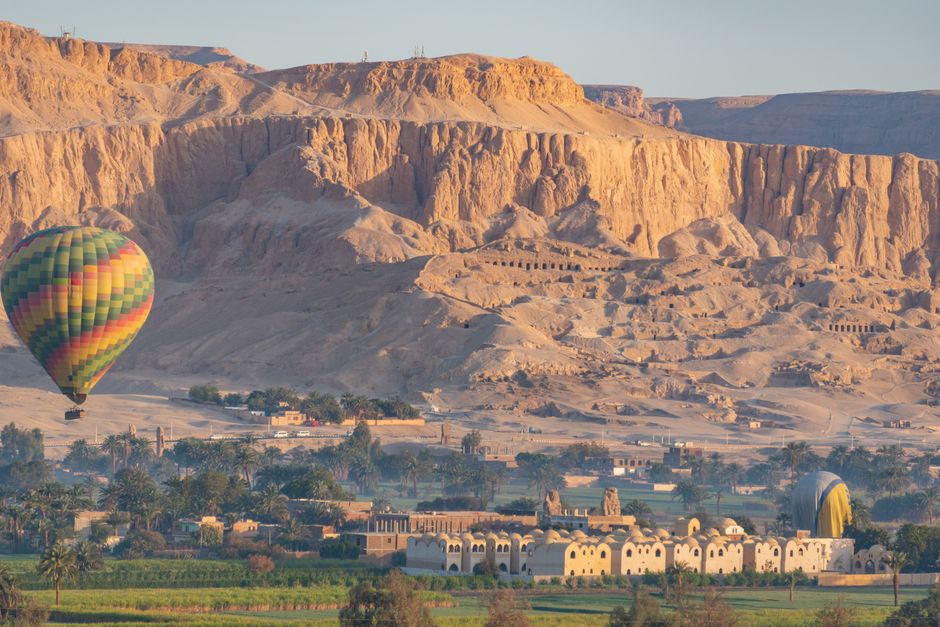
The classic “Cairo to Aswan to Luxor” Nile cruise is the most overrated product in Egyptian tourism. Most boats are 20 years old. The food is buffet mediocrity. You spend four nights docked next to three other boats, which means your “Nile view” is a rusted hull. The price for a 4-night cruise runs $400–$800 per person for a decent cabin.
Here is the better plan. Fly from Cairo to Luxor on EgyptAir. A one-way ticket costs $40–$70 if you book two weeks out. The flight takes one hour. You wake up in Luxor, check into a hotel on the West Bank for $30–$50 a night, and spend three full days seeing more than any cruise passenger sees in a week.
The West Bank is where the real sites are. The Valley of the Kings ticket is 600 EGP ($19) and includes three tombs. Tutankhamun’s tomb is an extra 500 EGP ($16). Most guides will tell you it is not worth it. They are wrong. The tomb is small, but the mummy is still there, and the wall paintings are unlike anything else in the valley. Pay the extra.
Hatshepsut’s Temple and Medinet Habu are both on the West Bank. Medinet Habu has the best-preserved colors in Egypt. Fewer crowds. No hawkers. The entry is 200 EGP ($6.50). It is the single most underrated site in the country.
The Giza Problem: What to Book and What to Ignore
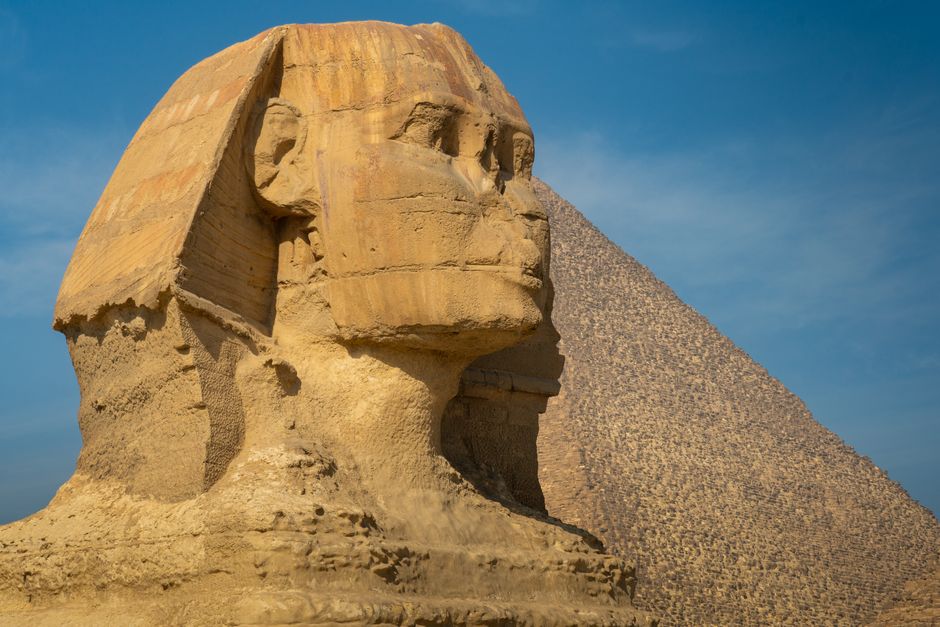
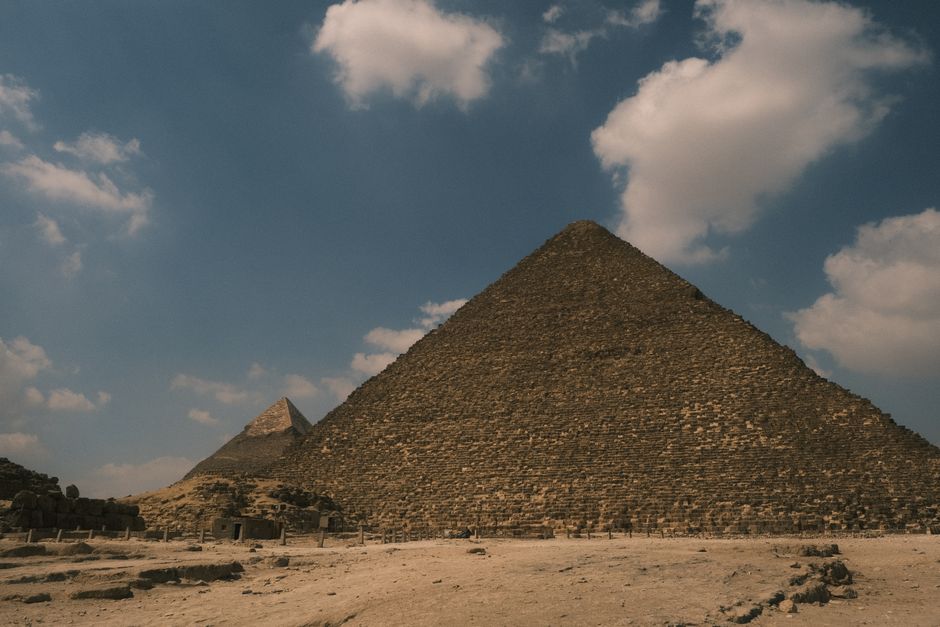
Giza is the reason you came. It is also the place where you are most likely to get scammed. The camel touts are aggressive. The “special access” offers are fake. The photo spots are crowded from 9 AM to 4 PM.
Go at opening time. The gates open at 7 AM. Arrive at 6:45. You get 45 minutes of near-empty views before the tour buses roll in. The light is better. The temperature is manageable even in summer. This single tip saves you more frustration than any guide.
Do not buy the “camel ride to the panorama” from anyone near the entrance. The official camel police set prices, but enforcement is weak. A fair price for a 30-minute camel ride is 300–400 EGP ($10–$13). Anyone asking for $50 is scamming you. Walk away and they will drop the price by half within ten steps.
Book a private driver through your hotel, not a tour company. A half-day car with a driver who waits at each stop costs 1,000–1,500 EGP ($32–$48). That covers Giza, Saqqara, and Dashur if you start early. The same itinerary from Viator or GetYourGuide runs $90–$120 per person. Same car. Same driver. Double the price.
The Grand Egyptian Museum finally opened fully in late 2026. It is worth one full day. The Tutankhamun gallery alone justifies the ticket. Book the 1,200 EGP ($39) full-access ticket online in advance. Walk-up tickets sell out by noon during peak season. The museum is in Giza, not downtown Cairo. Factor in a 45-minute drive from your hotel.
Food, Water, and the Stomach Problem
Every traveler worries about getting sick in Egypt. The risk is real but manageable. The rule is simple: eat where Egyptians eat, not where tourists eat. Tourist restaurants in Luxor and Cairo serve reheated buffet food that sits for hours. Local places cook to order.
Koshary Abou Tarek in downtown Cairo is the most famous koshary spot in the country. A large bowl costs 60 EGP ($2). It is clean, fast, and filling. You will not get sick. The same goes for Felfela on Hoda Shaarawy Street. It has served tourists and locals since 1959. The taameya (falafel) is fried in front of you.
Do not drink tap water. Ever. Bottled water costs 5–10 EGP ($0.16–$0.32) from any corner store. Buy a 6-pack for the hotel room. Brush your teeth with bottled water if you have a sensitive stomach.
The one thing to avoid is fresh juice from street carts. The juice is fine. The ice is not. If you want sugarcane juice, get it from a shop that uses a machine and no ice. Khan El Khalili has several reputable juice shops. A glass of fresh mango juice costs 30–50 EGP ($1–$1.60).
Bring Imodium and oral rehydration salts. Not because you will get sick, but because if you do, you do not want to hunt for a pharmacy at 2 AM. Pharmacies in Cairo are everywhere, but the good ones are closed late. Pack a small kit. It weighs nothing.
The Itinerary That Works for 7 Days
Here is the exact plan I would give a friend with one week. No filler. No wasted transfers.
- Day 1 — Arrive Cairo: Land, buy e-Visa online before arrival, take an Uber to a hotel in Zamalek or Downtown. Do not rent a car. Driving in Cairo is a contact sport.
- Day 2 — Giza: 7 AM entry. Pyramids, Sphinx, camel ride if you want one. Afternoon at the Grand Egyptian Museum. Dinner at Abou Tarek.
- Day 3 — Cairo: Egyptian Museum in Tahrir (the old one) for the mummies. Then Coptic Cairo. Then Khan El Khalili at sunset. The market is touristy but the surrounding streets are real.
- Day 4 — Fly to Luxor: Morning EgyptAir flight. Check into a West Bank hotel. Afternoon at Medinet Habu and the Ramesseum.
- Day 5 — Valley of the Kings: Go at 6 AM opening. Three tombs plus Tutankhamun. Then Hatshepsut’s Temple. Rest in the afternoon heat.
- Day 6 — Karnak and Luxor Temple: East Bank. Karnak at opening (6 AM). Luxor Temple at sunset. Fly back to Cairo in the evening or stay one more night.
- Day 7 — Depart: Fly home. Or add Aswan if you have three extra days.
This itinerary costs less than a packaged tour and gives you more time at the sites that matter. The total on-ground cost for two people, excluding international flights, runs $1,200–$1,800 for the week. A comparable G Adventures or Intrepid tour costs $2,500–$3,500 per person. The difference is the price of your flights.
Final Verdict: Where to Spend and Where to Save
Spend money on three things: the Grand Egyptian Museum full ticket, the Tutankhamun tomb entry, and a good West Bank hotel in Luxor with a pool. Everything else is negotiable.
Save money by skipping the Nile cruise, booking your own driver through the hotel, and eating at local restaurants. Egypt rewards independent travelers who plan ahead. It punishes people who book everything through a tour aggregator and expect the price to reflect quality.
The country is not dangerous. The scams are not sophisticated. The heat is real but manageable with early starts. Go in February, March, October, or November. Avoid June through August unless you enjoy 110°F afternoons. Book the e-Visa. Pack the Imodium. See Medinet Habu. Skip the cruise. You will come back with better photos and more money left over.