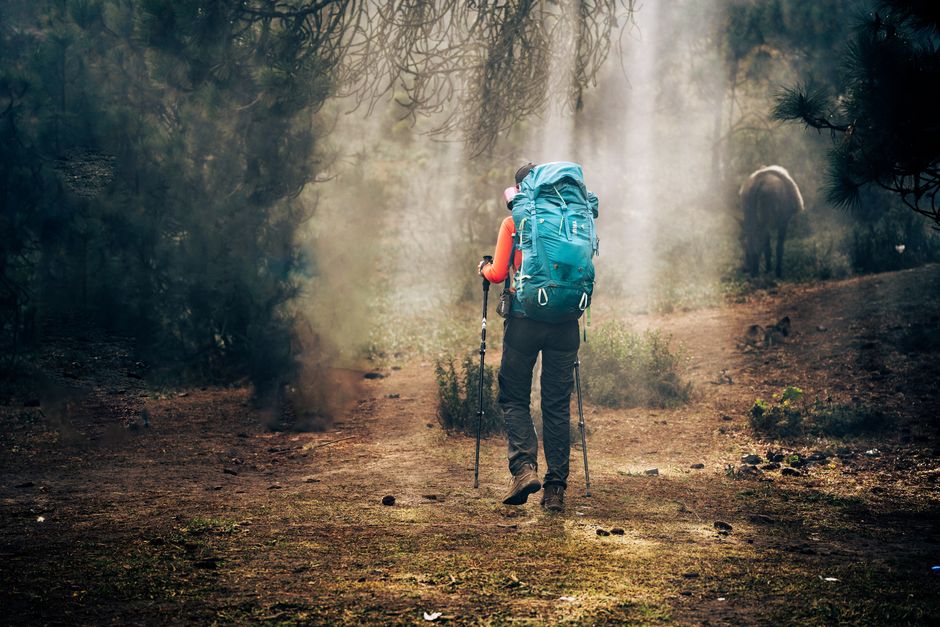
You have a week off. The kids are 4 and 7. You could book a beach condo with a pool, or you could drive 1,200 miles through four national parks. The beach sounds easier. The parks sound like a memory. Which one actually happens when you’re the one doing the driving, the packing, and the snack distribution? That’s the real question.
Here’s the short answer: yes, it’s worth it — but only if you plan it like a logistics operation, not a vacation fantasy. I’ve broken down the exact costs, timing, and gear that separate a decent trip from a disaster.
The Real Problem: Kids Don’t Care About Scenic Overlooks
A national park road trip with young kids fails for one predictable reason: adults plan for scenery, kids need stimulation. You stop at a viewpoint. You feel awe. Your 4-year-old asks for a snack and says they’re bored. This isn’t a kid problem. It’s a planning problem.
Kids under 8 can’t process a landscape the way adults do. They process movement, texture, sound, and immediate cause-and-effect. A waterfall is interesting for about three minutes. A pile of rocks they can climb is interesting for forty.
So the first rule is simple: plan stops for the kids, not for the postcards.
What Actually Works for Ages 3–8
- Short hikes with a destination. A 0.5-mile trail to a cave or a bridge beats a 3-mile scenic loop. Kids need a finish line.
- Junior Ranger programs. Every major park — Yellowstone, Yosemite, Zion, Grand Canyon — runs free Junior Ranger booklets. Kids complete small tasks and earn a plastic badge. It’s the single highest-value activity in the National Park Service. Budget 45 minutes at a visitor center for this.
- Water access. Rivers, lakes, and shallow streams buy you hours. The Merced River in Yosemite, the Virgin River in Zion, and Yellowstone’s Firehole River are all kid-appropriate in summer. Bring water shoes with grip — the Keen Seacamp II CNX ($60) holds up better than cheap sandals.
- Picnics over restaurants. Park restaurants are expensive and slow. A $25 cooler from Coleman and a packed lunch from a grocery store in the last town before the park saves you $40 per meal and 30 minutes of waiting.
The Mistake Most Parents Make
They overpack the itinerary. Three parks in five days with young kids is not a road trip. It’s a moving day repeated five times. Pick two parks maximum for a week. Stay at least two nights in each. The unpacking and repacking is what destroys morale, not the driving.
Cost Reality Check: What a 2026 Family Parks Trip Actually Costs
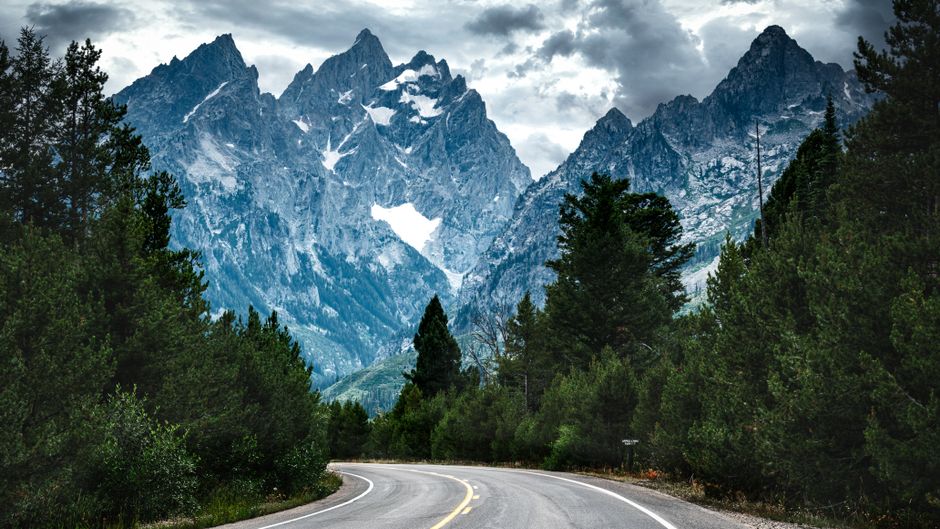
Forget the dreamy Instagram version. Here’s a real budget for a family of four (two adults, two kids under 12) doing a 7-day trip through two parks in the western U.S. in June 2026.
| Expense Category | Budget Option | Comfort Option | Notes |
|---|---|---|---|
| Park entry (annual pass) | $80 | $80 | America the Beautiful pass covers all parks for 12 months. Buy it once. |
| Lodging (6 nights) | $900 | $1,800 | Budget = campgrounds or motels 30 min outside park. Comfort = in-park lodges. |
| Food (7 days) | $420 | $700 | Budget = grocery runs + cooler. Comfort = 2 restaurant meals per day. |
| Gas (1,200 miles) | $180 | $220 | Assumes 25 mpg at $3.75/gal. SUV will cost more. |
| Gear/incidentals | $150 | $400 | Water shoes, daypacks, Junior Ranger supplies, sunscreen. |
| Total | $1,730 | $3,200 | Per family, not per person. |
The beach condo with a pool? That’s $2,200–$3,500 for the same week in high season, plus flights if it’s not drivable. Parks are not the expensive option. They’re the logistically heavy option.
Where people overspend: booking in-park lodging at the last minute. A room at the Old Faithful Inn in Yellowstone runs $250–$350 per night if you book 12 months out. Same room on short notice? $400+ or unavailable. Book lodging before you book anything else.
Timing Is Everything: When to Go and When to Skip It
If you can only travel in July, go to a park with high elevation or water. If you can travel in September, go anywhere. That’s the compressed version.
June 2026 is the sweet spot for most western parks. Snow has cleared from most trails. Waterfalls are running high. Crowds are moderate except in the most famous spots. July and August bring heat and crowds. September is the sleeper pick — warm days, cold nights, and parking lots you can actually park in.
Skip the parks entirely in March and April unless you’re going to desert parks like Joshua Tree or Saguaro. Yellowstone’s roads don’t fully open until late April, and many high-country trails are snowbound until June.
Daily Rhythm That Prevents Meltdowns
- 7:00 AM: Leave lodging. Early starts beat crowds and heat.
- 7:30–10:30 AM: One major activity — a hike, a geyser basin, a viewpoint. This is your high-energy window.
- 10:30 AM–12:00 PM: Visitor center, Junior Ranger booklet pickup, bathroom break.
- 12:00–2:00 PM: Picnic lunch, then quiet time. This can be a drive to the next area, a nap in the car, or a short movie at the visitor center.
- 2:00–5:00 PM: Second activity — water play, a short second hike, or a ranger program.
- 6:00 PM: Dinner. Done. No night hikes. No sunset drives. Kids are cooked.
This rhythm looks boring on paper. It works because it respects the fact that young kids have about four good hours of cooperation per day. Spend them wisely.
Gear That Earns Its Space in the Car
You don’t need a rooftop tent or a $400 hiking carrier. You need five things that solve specific problems.
1. A real daypack, not a diaper bag. The Osprey Daylite Plus ($75) holds two water bottles, snacks, sunscreen, and a change of clothes for a 4-year-old. It has a hip belt, which matters when you’re carrying 15 pounds for three hours.
2. A soft-sided cooler that fits behind the driver’s seat. The Coleman 24-Can Soft Cooler ($30) keeps food cold for 8 hours with two ice packs. This is your lunch system.
3. A kid carrier for the youngest. If your youngest is under 3, skip the stroller. Park trails are dirt, rock, and uneven. The Deuter Kid Comfort Active ($250) is the standard. Rent one from REI if you don’t want to buy — about $25 per day.
4. Sun protection that doesn’t fight back. Kids hate sticky sunscreen. The Thinkbaby SPF 50+ stick ($14) goes on like a glue stick and doesn’t run into eyes. Pair it with a wide-brim hat from Sunday Afternoons ($35).
5. A tablet loaded with offline content. Yes, screen time. The drive between parks is 4–6 hours. A Kindle Fire Kids ($100) with downloaded shows and games is the difference between a peaceful drive and a backseat revolt. This is not a parenting failure. It’s a road trip tool.
What you don’t need: hiking boots for kids. Trail runners or sturdy sneakers work fine for the trails young kids can handle. Save the $80.
When NOT to Do This Trip
Here’s the honest part. A national parks road trip with young kids is not for everyone, and forcing it is how you end up hating both your vacation and your children.
Skip the parks trip if any of these are true:
- You have a child under 2 who doesn’t sleep well in the car. Infants and toddlers need routine. A road trip destroys routine. Wait until the youngest is 3.
- You’re the only adult who drives. This is a two-driver trip. One adult handles driving, the other handles snacks, navigation, and kid conflict resolution. Solo-driver road trips with young kids are not vacations.
- You want to relax. A parks trip is active parenting in beautiful places. It’s not rest. If you need rest, book the beach condo. No shame in that.
- Your kids hate being outside. If your child complains after 20 minutes in a backyard, a national park will not convert them. Try a single park for a weekend first. See what happens.
If you’re on the fence, do a test run. Take a Saturday trip to the nearest national park, state park, or national monument. Drive two hours. Do one short hike. Eat a picnic lunch. If everyone survives and someone smiles, plan the big trip. If everyone is miserable, you just saved yourself $2,000 and a week of regret.
The Verdict
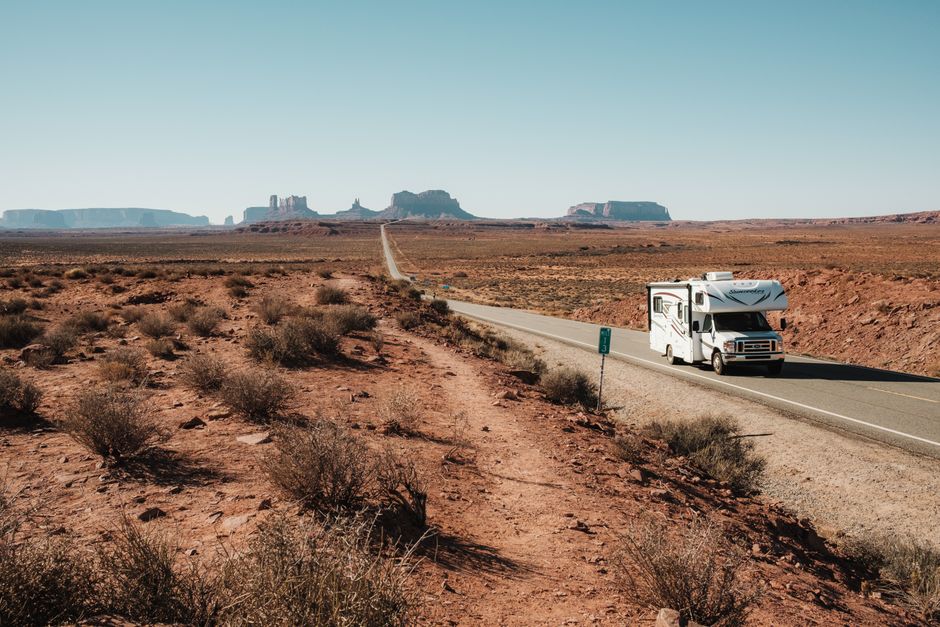
Yes, a national parks road trip with young kids is worth it — if you plan for kid energy, not adult scenery. Pick two parks. Book lodging a year ahead. Start your days at 7 AM. Pack a cooler and a tablet. Use the Junior Ranger program as your free activity anchor.
The families who love this trip are not the ones with the best gear or the most Instagram followers. They’re the ones who accepted that a 4-year-old’s version of Yosemite is throwing rocks in the Merced River. And that’s fine. That’s the trip.
For a first-timer in 2026, my pick is Grand Teton and Yellowstone. They’re 30 minutes apart, both have excellent Junior Ranger programs, and the wildlife spotting keeps kids engaged in a way that scenic overlooks never will. Book a cabin at Colter Bay in Grand Teton, spend three nights there, then move to a cabin at Canyon Lodge in Yellowstone for three nights. It’s the easiest two-park loop in the country.